
Advantages and Disadvantages of Roller Mills in Industrial Grinding Applications
We provide a wide range of mills — including Raymond mill, trapezoidal mill, vertical mill, ultrafine mill, and ball mill, obtained ISO9001 international quality certification, EU CE certification, and Customs Union CU-TR certification. Suitable for processing minerals such as limestone, phosphate, quicklime, kaolin, talc, barite, bentonite, calcium carbonate, dolomite, coal, gypsum, clay, carbon black, slag, cement raw materials, cement clinker, and more.
The discharge range of these mills can be adjusted to meet specific processing needs, typically from 80-400 mesh, 600-3250 mesh, and can achieve the finest particle size of up to 6000 mesh(D50).
If you are looking for a reliable grinding solution to turn stone or minerals into fine powder, please feel free to contact our online customer service.
Advantages and Disadvantages of Roller Mills in Industrial Grinding Applications
Roller mills have become a cornerstone in modern industrial grinding operations, offering a unique set of benefits and some inherent limitations compared to traditional grinding systems like ball mills. Understanding these factors is crucial for selecting the right equipment for your specific application, whether you’re processing limestone for cement or creating ultra-fine powders for cosmetics.
The Compelling Advantages
The primary advantage of roller mills lies in their superior energy efficiency. By utilizing a rolling and compression action against a stationary ring or table, they achieve size reduction with significantly less energy than the impact and attrition forces dominant in ball mills. This can translate to energy savings of 30% to 50%, a major consideration for cost-conscious operations.
Another significant benefit is their precise particle size control. Modern roller mills are often equipped with advanced, external dynamic classifiers. This allows operators to achieve a much tighter and more consistent particle size distribution (PSD), which is critical for product quality in applications like paints and advanced ceramics. The ability to quickly adjust fineness, often within a range of 325 to 2500 meshes, provides exceptional operational flexibility.
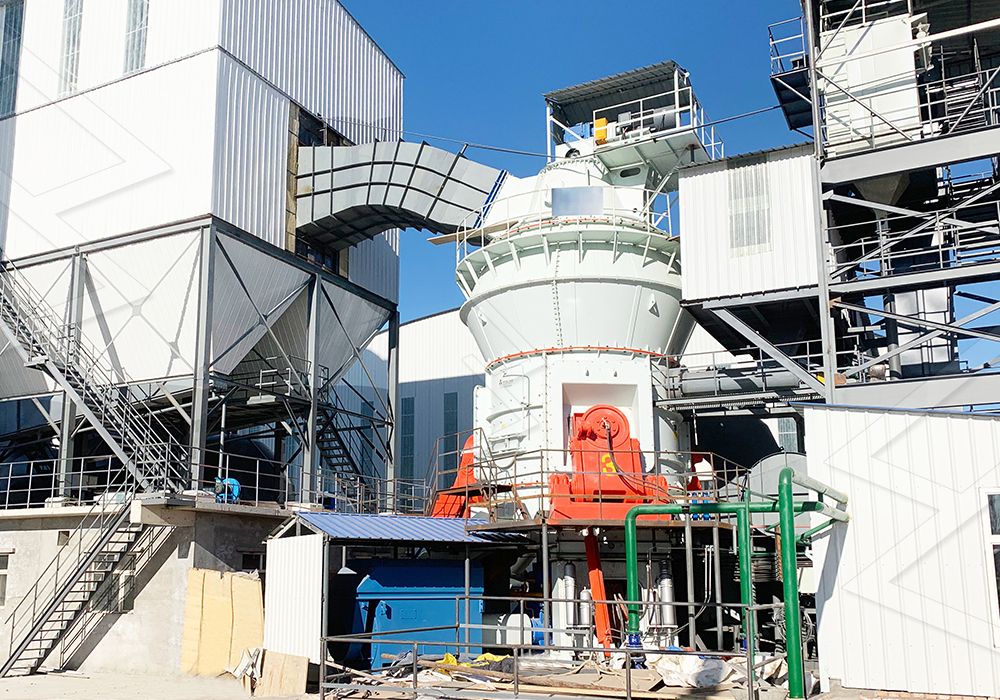
Furthermore, roller mills are renowned for their lower noise and dust emissions. The enclosed grinding chamber, combined with integrated pulse jet dust collectors and mufflers, creates a much cleaner and safer working environment. This design inherently meets stricter environmental regulations without the need for extensive external auxiliary systems.
Acknowledging the Disadvantages
Despite their advantages, roller mills are not a universal solution. A key disadvantage is their higher initial investment cost compared to a simple ball mill of similar capacity. The engineering complexity, precision machining, and integrated systems contribute to a higher upfront capital expenditure.
They can also be more sensitive to feed material characteristics. Extremely hard or abrasive materials can lead to accelerated wear of the grinding rollers and the ring/table, increasing maintenance costs and downtime for component replacement. While designs have improved, this remains a consideration for processing certain ores.
Lastly, the capacity for very coarse grinding is limited. Roller mills excel at fine and ultra-fine grinding but are generally not the first choice for primary crushing or reducing very large feed sizes down from several inches. A jaw crusher or similar primary crusher is often still required to prepare the feed material to a suitable size (typically below 20-50mm).
Choosing the Right Tool: A Product Spotlight
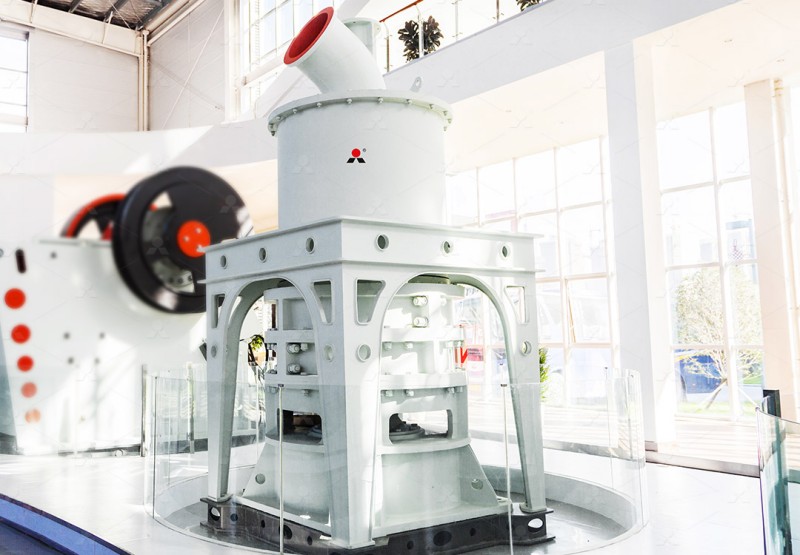
For operations focused on ultra-fine powder production with an emphasis on energy savings and minimal environmental impact, the MW Ultrafine Grinding Mill is an exemplary solution. This mill is engineered for customers who need to make ultra-fine powder from materials like calcium carbonate, talc, and barite. With an input size of 0-20 mm and a capacity range of 0.5-25 tph, it offers remarkable versatility.
Its standout features directly address the classic advantages of roller mill technology. It boasts higher yielding and lower energy consumption, with production capacity being 40% higher than jet mills and output twice as large as ball mills. It achieves an adjustable fineness between 325-2500 meshes thanks to its advanced German-designed cage-type powder selector. Crucially, its design eliminates rolling bearings and screws in the grinding chamber, virtually eliminating concerns about related mechanical failures and enabling external lubrication without shutdown for true 24/7 operation. Paired with its efficient pulse dust collector, it ensures an eco-friendly process that aligns with national environmental standards.
Conclusion
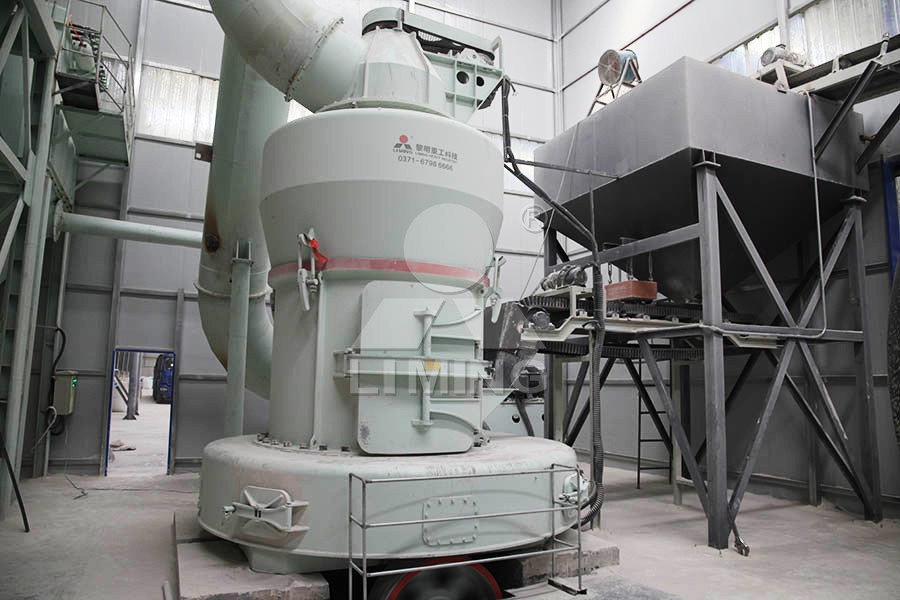
In summary, roller mills present a technologically advanced grinding solution that offers tremendous benefits in energy efficiency, product quality, and environmental compliance. While the initial investment and material compatibility require careful consideration, their operational advantages often lead to a lower total cost of ownership for the right application. For those seeking a reliable and efficient partner for ultra-fine grinding, equipment like the MW Ultrafine Grinding Mill embodies the pinnacle of what modern roller mill technology can achieve.