
How Does a Cement Raw Mill Work? Free Animation Download
We provide a wide range of mills — including Raymond mill, trapezoidal mill, vertical mill, ultrafine mill, and ball mill, obtained ISO9001 international quality certification, EU CE certification, and Customs Union CU-TR certification. Suitable for processing minerals such as limestone, phosphate, quicklime, kaolin, talc, barite, bentonite, calcium carbonate, dolomite, coal, gypsum, clay, carbon black, slag, cement raw materials, cement clinker, and more.
The discharge range of these mills can be adjusted to meet specific processing needs, typically from 80-400 mesh, 600-3250 mesh, and can achieve the finest particle size of up to 6000 mesh(D50).
If you are looking for a reliable grinding solution to turn stone or minerals into fine powder, please feel free to contact our online customer service.
How Does a Cement Raw Mill Work? Free Animation Download
Ever wondered how that massive pile of limestone and clay gets transformed into the fine powder that eventually becomes cement? The answer lies in the heart of the process: the raw mill. This isn’t your grandpa’s simple grinder; it’s a sophisticated piece of industrial engineering designed for maximum efficiency and output. Let’s break down the magic, shall we?
The Basic Grinding Principle
At its core, a cement raw mill’s job is simple: crush and grind. Raw materials like limestone, clay, sand, and iron ore are fed into the mill. The grinding mechanism—be it rollers, balls, or a table—pulverizes these materials through a combination of compression, impact, and attrition. The goal is to achieve a very fine, homogenous powder with a specific surface area, often called ‘raw meal’. This fineness is crucial for the chemical reactions that happen later in the kiln.
Key Components and Their Roles
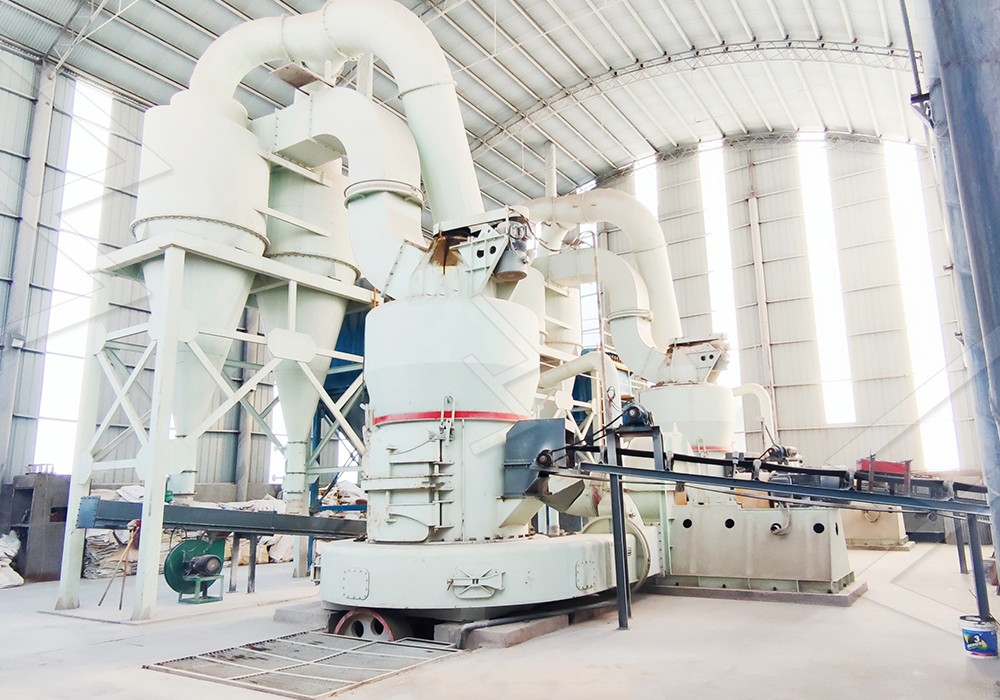
While designs vary, most modern raw mills share common components. A grinding table or chamber holds the material. Grinding rollers apply immense pressure to the material bed on the table. A powerful classifier or separator sits atop the mill, constantly sorting the ground particles. Oversized particles are rejected back to the grinding zone for further size reduction, while the perfectly fine powder is carried out by a stream of hot air for further processing. This hot air also serves to dry the materials during grinding, which is essential if your raw mix has any moisture.
Why Modern Mills Are a Game Changer
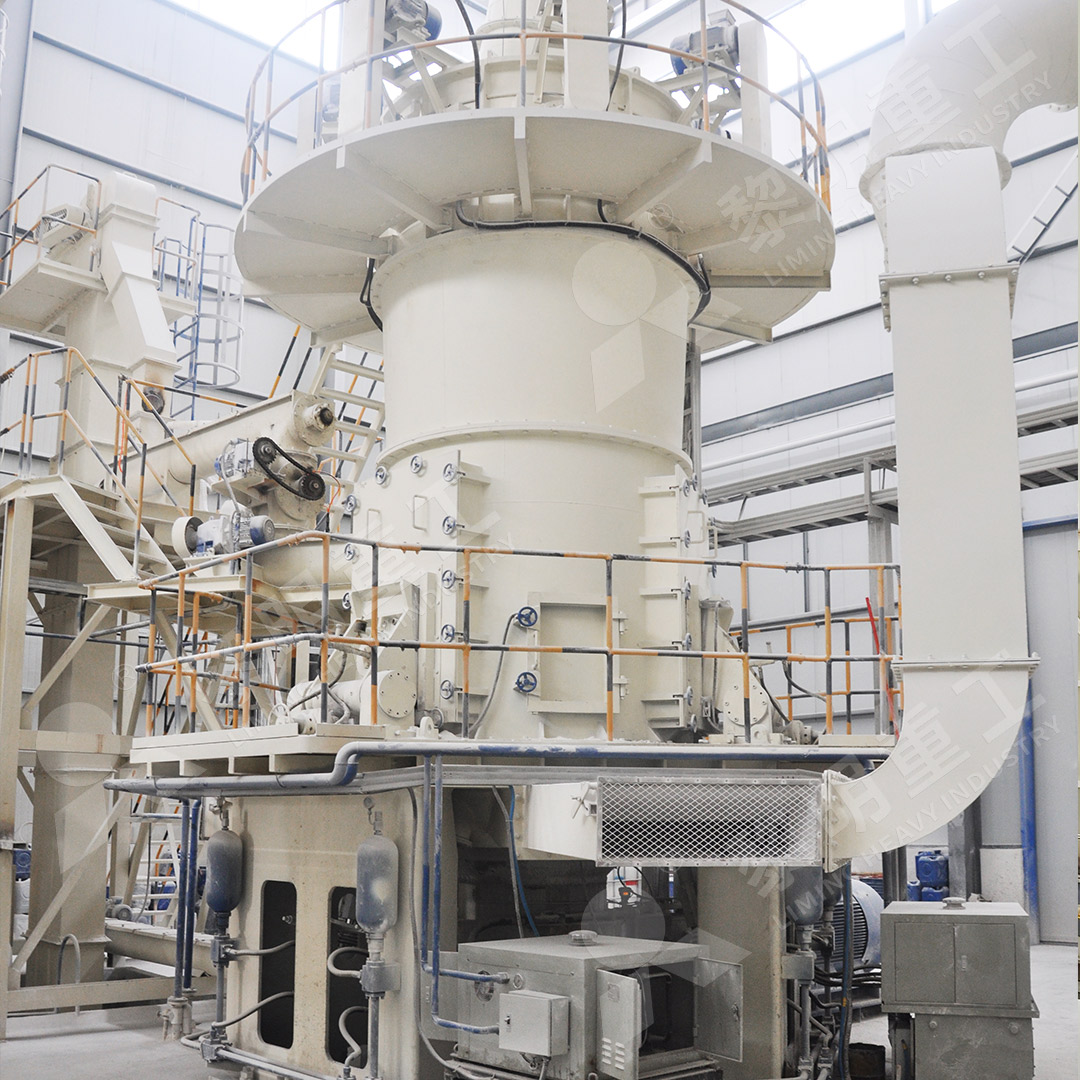
Older technologies, like ball mills, are energy hogs. A significant amount of power is wasted just on moving the heavy mass of steel balls. Modern vertical roller mills (VRMs) are far superior. They operate on the principle of bed compression, where rollers hydraulically press down on a material layer, crushing it efficiently with less energy waste. They also integrate drying, grinding, and classification in a single, compact unit. For operations looking to upgrade, our LM Vertical Grinding Mill is a perfect example of this modern efficiency. It integrates crushing, drying, grinding, classifying and conveying together, specializing in non-metallic minerals. Its coverage area is reduced by 50% compared with ball mill, and the energy consumption is saved by 30%-40% similarly. It’s a workhorse for raw meal preparation.
Taking Fineness to the Next Level
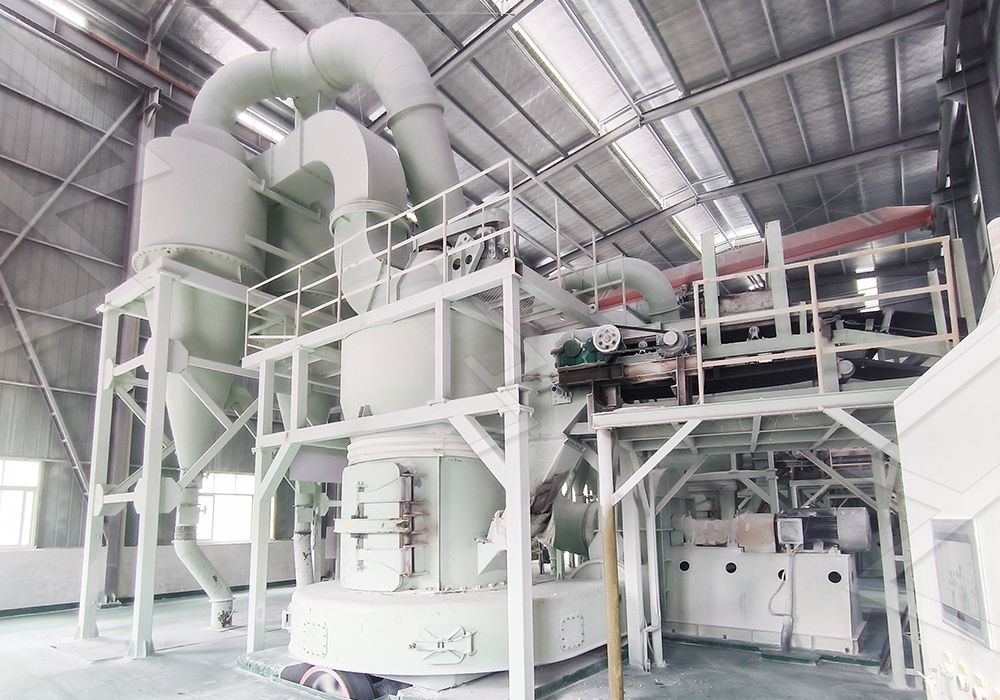
Sometimes, standard grinding isn’t enough. For applications requiring ultra-fine powders or for processing special additives, you need specialized equipment. This is where our MW Ultrafine Grinding Mill truly shines. Designed for customers who need to make ultra-fine powder (adjustable between 325-2500 meshes!), this machine is a beast. It features a cage-type powder selector with German technology for precise separation and is engineered without any rolling bearings or screws in the grinding chamber. This brilliant design eliminates worries about bearing failures or loose screws causing catastrophic damage. It’s equipped with an efficient pulse dust collector and muffler, making the entire production process cleaner and quieter. If your process demands exceptional fineness for higher quality product, the MW series is your go-to solution.
Get a Visual Understanding
Reading about it is one thing, but seeing the process in motion makes it all click. We highly recommend downloading a free animation of a raw mill in operation. These visual aids clearly show the material flow, the action of the grinding rollers, and how the air classifier works to ensure consistent product quality. It’s the best way to understand the elegant engineering behind this critical piece of equipment.
So, whether you’re sticking with the robust reliability of an LM Vertical Mill for your main raw mix or exploring the ultra-fine capabilities of the MW series for specialized applications, understanding the working principle is key to optimizing your cement production line.