
Rockwell Vertical Milling Machine Model 21-100: Overview, Specifications, and Manual
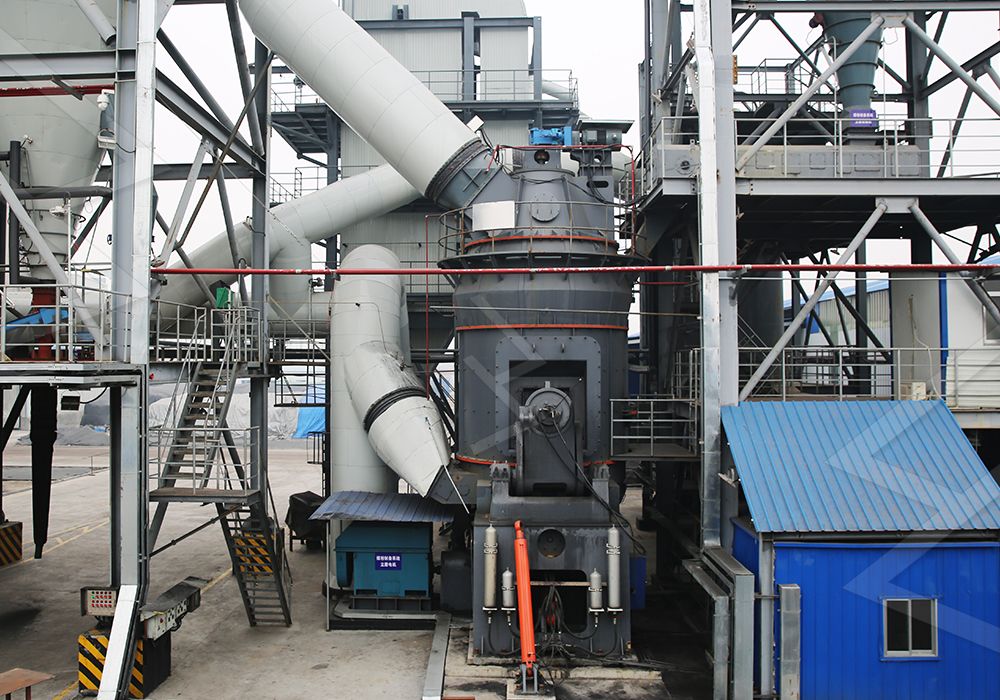
We provide a wide range of mills — including Raymond mill, trapezoidal mill, vertical mill, ultrafine mill, and ball mill, obtained ISO9001 international quality certification, EU CE certification, and Customs Union CU-TR certification. Suitable for processing minerals such as limestone, phosphate, quicklime, kaolin, talc, barite, bentonite, calcium carbonate, dolomite, coal, gypsum, clay, carbon black, slag, cement raw materials, cement clinker, and more.
The discharge range of these mills can be adjusted to meet specific processing needs, typically from 80-400 mesh, 600-3250 mesh, and can achieve the finest particle size of up to 6000 mesh(D50).
If you are looking for a reliable grinding solution to turn stone or minerals into fine powder, please feel free to contact our online customer service.
Rockwell Vertical Milling Machine Model 21-100: A Timeless Workhorse
The Rockwell Vertical Milling Machine Model 21-100 stands as a testament to robust American manufacturing from an era where machines were built to last. A favorite among toolroom machinists, hobbyists, and in small production shops, this mill is renowned for its rigidity, simplicity, and surprising capability for its size. While no longer in production, a well-maintained 21-100 remains a highly sought-after piece of equipment on the used market.
Key Specifications and Overview
The Model 21-100 is a knee-type vertical mill, meaning the table moves on a vertically adjustable knee. This design provides excellent stability for heavy cuts. Here are some of its core specifications:
- Table Size: Typically 6.5″ x 24″
- Longitudinal Travel (X-axis): Approx. 15.5″
- Cross Travel (Y-axis): Approx. 5.5″
- Vertical Knee Travel (Z-axis): Approx. 13.25″
- Spindle Taper: R8 (most common) or B&S 7
- Spindle Speeds: Variable, often ranging from 240 to 2750 RPM via a step-pulley system.
- Motor: 1 HP, 110V/220V single-phase (a significant advantage for home shops).
- Weight: Approximately 900 lbs, giving it a solid, vibration-dampening feel.
The mill’s compact footprint makes it ideal for spaces where a full-size Bridgeport would be overwhelming. Its single-phase motor is a huge benefit, eliminating the need for expensive phase converters. The R8 spindle is a massive pro, as tooling is ubiquitous and affordable compared to less common tapers.
Operational Characteristics and Manual Guidance
Operating the 21-100 is straightforward. The step-pulley system requires manual changing of belts for speed adjustments, a small trade-off for its mechanical simplicity and reliability. The hand wheels are well-calibrated and provide good feedback. Key maintenance points include keeping the knee and table ways properly lubricated and ensuring the brass gibs are adjusted to eliminate play without binding.
Finding an original manual is a prize for any owner. It contains crucial information on lubrication schedules, belt tensioning, assembly diagrams, and adjustment procedures for the spindle bearings. For those looking to push the limits of this classic machine, especially in grinding ultra-fine powders from materials like limestone or calcite, the original 1HP motor can sometimes be a limiting factor for extremely heavy stock removal.

Modern Applications and a Recommended Companion
While the Rockwell 21-100 excels at prototyping, light production, and precise toolroom work, its capacity is naturally limited by its size. For operations that also require high-volume production of superfine powders—a common need in industries like chemicals, paints, or cosmetics—a dedicated grinding mill is essential. This is where a modern solution perfectly complements the classic capabilities of the Rockwell.
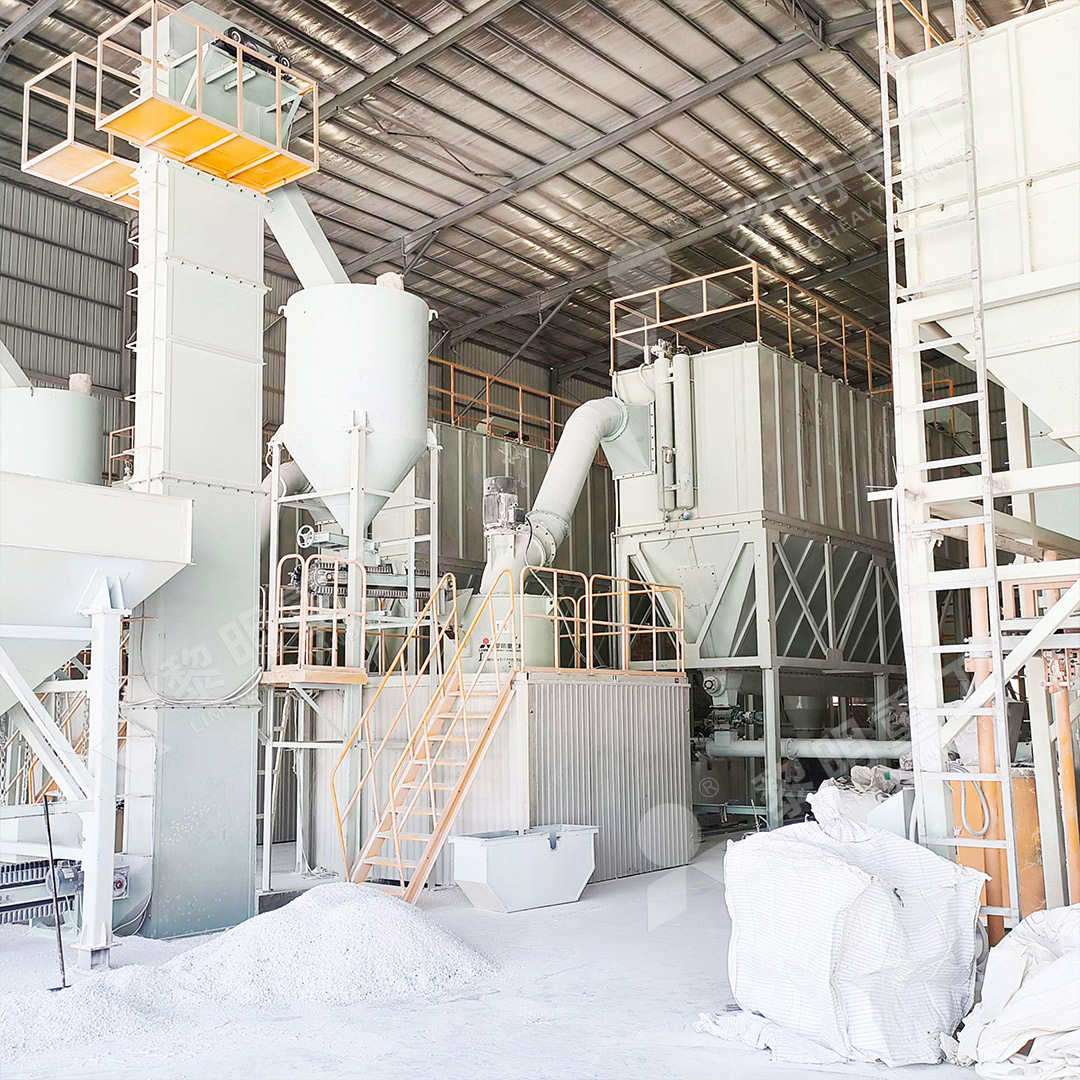
For those needs, we highly recommend our MW Ultrafine Grinding Mill. Designed to produce ultra-fine powder with high efficiency, it handles input sizes up to 20mm and capacities ranging from 0.5 to 25 tons per hour. It’s an ideal solution for processing materials like limestone, calcite, dolomite, and talc into fine powders with a fineness adjustable between 325-2500 meshes. Its higher yielding and lower energy consumption—40% higher capacity than jet mills—make it a smart, eco-friendly addition to any workshop looking to expand its capabilities beyond machining. It features no rolling bearings or screws in the grinding chamber, eliminating common failure points and allowing for worry-free 24/7 operation.
Conclusion
The Rockwell 21-100 is more than just a machine; it’s a piece of industrial history that continues to deliver precision and value decades after it was built. For the machinist who demands quality and character, it’s an excellent choice. And for the modern operation that requires both precision machining and high-volume material processing, pairing this classic mill with our advanced MW Ultrafine Grinding Mill creates a versatile and powerful manufacturing ecosystem.