
Industrial Grinding Machine Remote Monitoring Services for Enhanced Equipment Performance
We provide a wide range of mills — including Raymond mill, trapezoidal mill, vertical mill, ultrafine mill, and ball mill, obtained ISO9001 international quality certification, EU CE certification, and Customs Union CU-TR certification. Suitable for processing minerals such as limestone, phosphate, quicklime, kaolin, talc, barite, bentonite, calcium carbonate, dolomite, coal, gypsum, clay, carbon black, slag, cement raw materials, cement clinker, and more.
The discharge range of these mills can be adjusted to meet specific processing needs, typically from 80-400 mesh, 600-3250 mesh, and can achieve the finest particle size of up to 6000 mesh(D50).
If you are looking for a reliable grinding solution to turn stone or minerals into fine powder, please feel free to contact our online customer service.
Industrial Grinding Machine Remote Monitoring Services for Enhanced Equipment Performance
In today’s fast-paced industrial landscape, maximizing equipment uptime and optimizing performance are critical for maintaining a competitive edge. Unplanned downtime, inefficient operation, and premature wear can significantly impact productivity and profitability. This is where advanced remote monitoring services come into play, transforming how we manage and maintain industrial grinding machinery.
The Challenge: Keeping Grinders Running at Peak Efficiency
Industrial grinding operations face constant pressure to improve output quality while reducing operational costs. Traditional maintenance approaches often rely on reactive strategies—fixing problems after they occur. This leads to unexpected shutdowns, costly repairs, and lost production hours. Without real-time insights into machine health, operators struggle to predict failures or optimize grinding parameters for different materials.
How Remote Monitoring Revolutionizes Grinding Operations
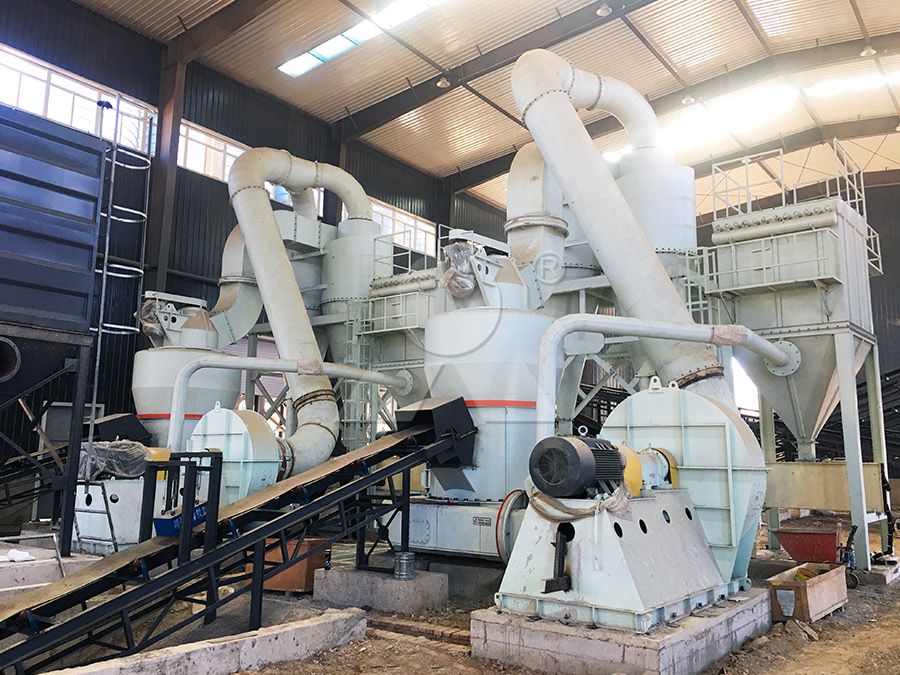
Modern remote monitoring systems leverage IoT sensors, cloud computing, and data analytics to provide continuous oversight of grinding equipment. These systems track key performance indicators such as vibration levels, temperature, power consumption, and output fineness. By analyzing this data, operators can detect anomalies early, schedule maintenance during planned downtime, and adjust operations for maximum efficiency.
For instance, consider the MW Ultrafine Grinding Mill. With an input size of 0-20 mm and capacity ranging from 0.5-25 tph, this machine is designed for producing ultra-fine powders across various industries including chemicals, paints, and cosmetics. Its higher yielding and lower energy consumption—40% higher capacity than jet mills and 30% lower system energy consumption—make it a prime candidate for remote monitoring. Tracking its cage-type powder selector’s performance and ensuring the grinding chamber operates without bearing issues can prevent major breakdowns.
Key Benefits of Implementing Remote Monitoring
- Predictive Maintenance: Identify wear and tear on grinding rollers and rings before failures occur.
- Energy Optimization: Monitor power consumption in real-time to reduce operational costs.
- Quality Control: Ensure consistent output fineness between 325-2500 meshes by adjusting parameters remotely.
- Environmental Compliance: Track dust emissions and noise levels to adhere to eco-friendly standards.
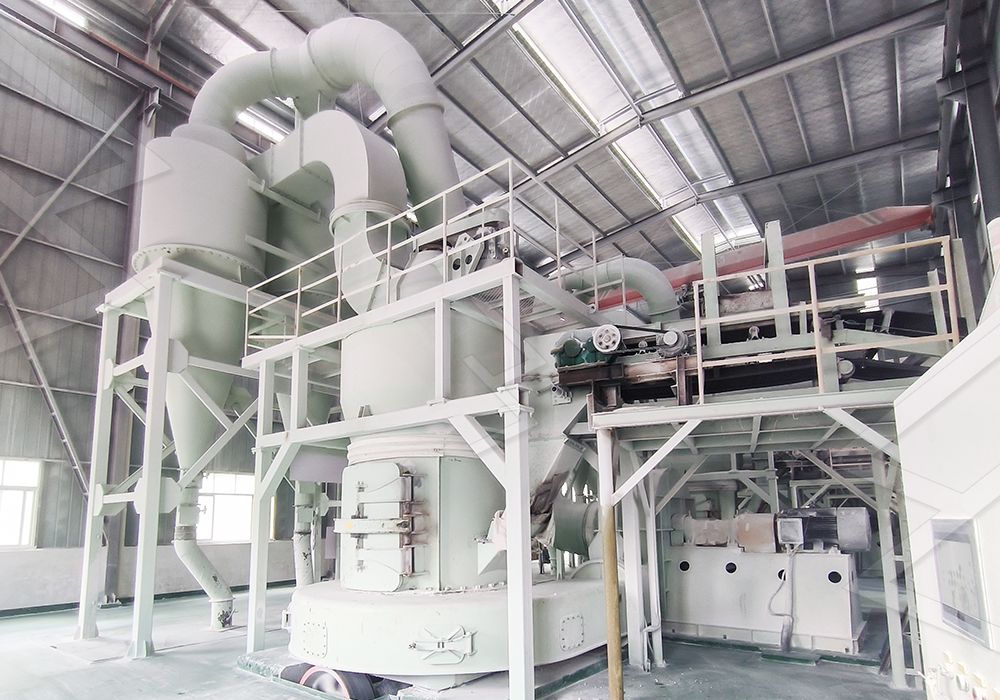
Another standout product that benefits immensely from remote monitoring is the LUM Ultrafine Vertical Grinding Mill. Its input size of 0-10 mm and capacity of 5-18 tph, combined with advanced powder separating technology, requires precise operational control. Remote services can manage its multi-head powder separator and hydraulic adjustment system, ensuring optimal grinding pressure and revolution speed without physical intervention. The mill’s reversible structure, which simplifies maintenance, pairs perfectly with remote diagnostics to minimize downtime during checks.
Implementing a Remote Monitoring Strategy
Successful deployment involves installing sensors on critical components like grinding rollers, motors, and separators. Data is transmitted to a secure cloud platform where AI-driven algorithms analyze trends and generate alerts. For example, unusual vibrations in the MW Ultrafine Grinding Mill’s main shaft could indicate misalignment, triggering a maintenance ticket before damage escalates. Similarly, monitoring the LUM mill’s double position-limiting technology can prevent destructive impacts from machine vibration.
Conclusion: Future-Proof Your Grinding Operations
Integrating remote monitoring services with high-performance equipment like the MW and LUM grinding mills not only enhances reliability but also extends machinery lifespan. In an era where digital transformation drives industrial progress, leveraging these technologies ensures that your grinding processes remain efficient, sustainable, and profitable. Don’t wait for failures to disrupt your production—embrace remote monitoring and turn data into actionable insights for superior equipment performance.