
Iron Ore Mining Process: Which Crushing Machine and Grinder Is Best?
We provide a wide range of mills — including Raymond mill, trapezoidal mill, vertical mill, ultrafine mill, and ball mill, obtained ISO9001 international quality certification, EU CE certification, and Customs Union CU-TR certification. Suitable for processing minerals such as limestone, phosphate, quicklime, kaolin, talc, barite, bentonite, calcium carbonate, dolomite, coal, gypsum, clay, carbon black, slag, cement raw materials, cement clinker, and more.
The discharge range of these mills can be adjusted to meet specific processing needs, typically from 80-400 mesh, 600-3250 mesh, and can achieve the finest particle size of up to 6000 mesh(D50).
If you are looking for a reliable grinding solution to turn stone or minerals into fine powder, please feel free to contact our online customer service.
Iron Ore Mining Process: Which Crushing Machine and Grinder Is Best?
Hey folks, let’s talk about a crucial topic in the mining industry: processing iron ore. It’s not just about digging rocks out of the ground; it’s about transforming that raw material into a valuable commodity efficiently and profitably. The choice of equipment can make or break your operation’s bottom line. So, let’s dive into the key stages and what machinery really delivers the goods.
The Initial Breakdown: Primary Crushing
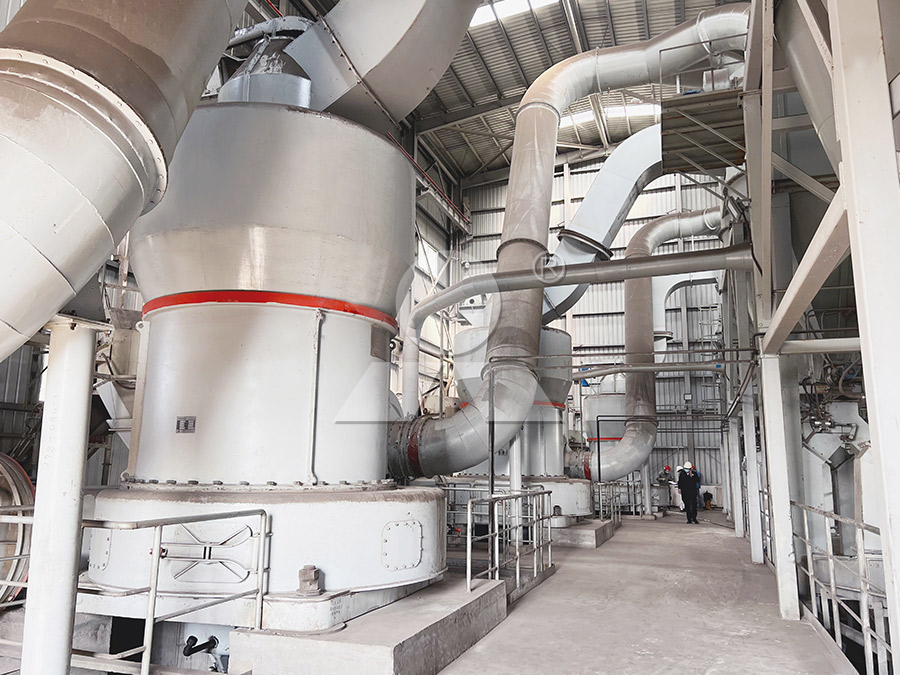
First things first, that massive iron ore needs to be reduced to a manageable size. This is where primary crushers like jaw crushers or gyratory crushers come into play. They’re the workhorses that take those huge rocks and break them down to about 6-10 inches. Reliability and throughput are the names of the game here. You need a machine that won’t buckle under pressure and can handle the abrasive nature of iron ore.
The Secondary Stage: Getting Finer
Once you’ve got smaller chunks, it’s time for secondary crushing. Cone crushers are often the go-to here. They take that 6-inch material and crush it further down to around 1-2 inches, or even smaller depending on your setup. The goal is to achieve a consistent feed size for the grinding mills downstream. Efficiency in this stage directly impacts the energy consumption of the entire grinding circuit.
The Heart of the Matter: Grinding Mills
This is where the magic happens – turning crushed rock into fine powder for beneficiation. The grinding stage is the most energy-intensive part of the process, so choosing the right mill is absolutely critical. You’ve got options: ball mills, Raymond mills, vertical roller mills, and more modern ultrafine solutions.
For iron ore, you need a grinder that’s tough, efficient, and can handle continuous operation. While traditional ball mills are common, they can be energy hogs. This is where newer technologies really shine. For operations looking to produce a super-fine concentrate or aiming for max efficiency, an ultrafine grinding mill can be a game-changer.
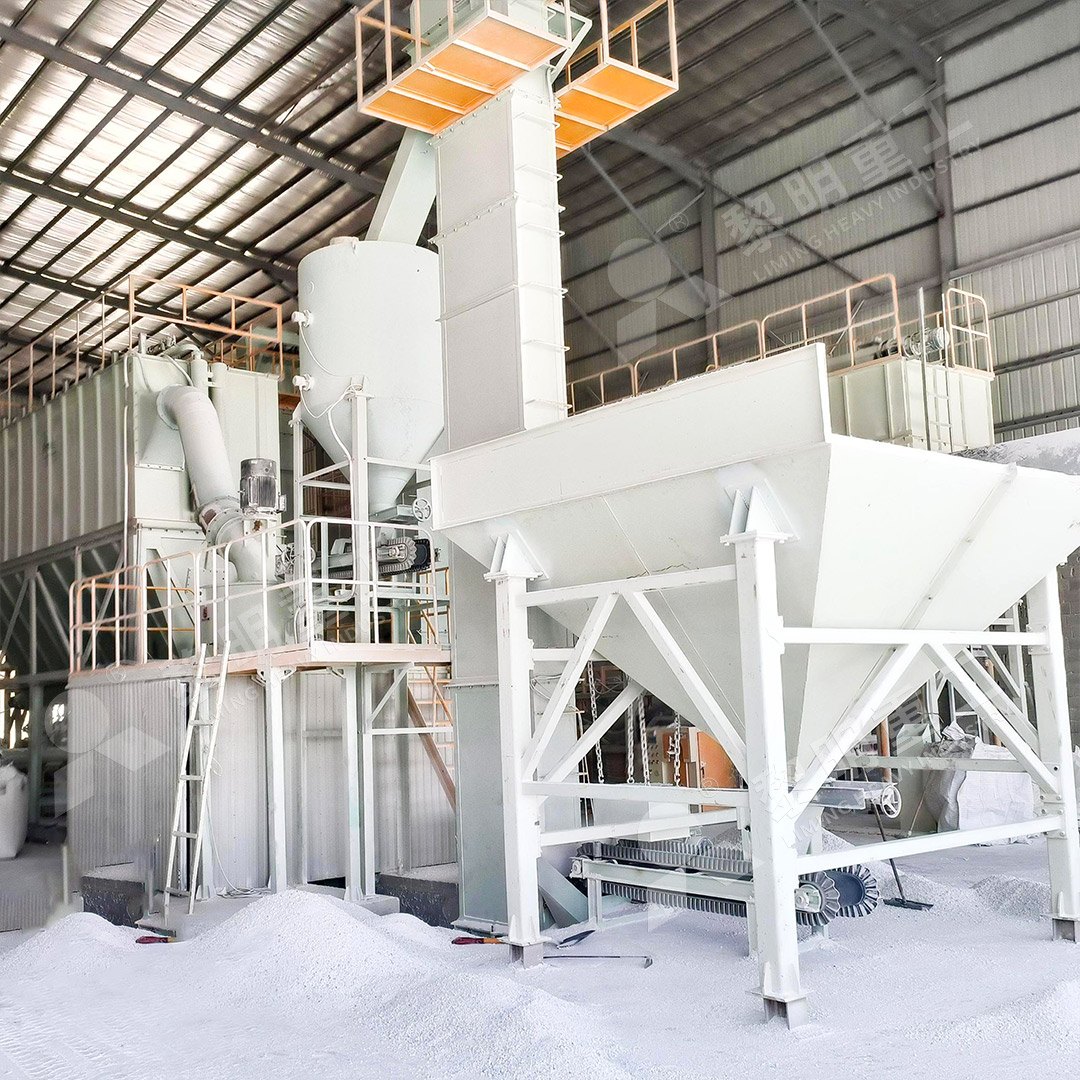
Let me highlight a standout performer for this application: our MW Ultrafine Grinding Mill. This isn’t your granddad’s grinder. It’s engineered for customers who need to make ultra-fine powder without sacrificing throughput or racking up insane energy bills.
- Input Size: Handles material up to 0-20 mm, perfect for feed from secondary crushers.
- Capacity: A solid range of 0.5-25 tph, scalable for different operation sizes.
- Key Advantage: Its higher yielding with lower energy consumption. We’re talking about 40% higher capacity than jet mills and stirred mills, and it uses about 30% less energy. That directly translates to lower operating costs.
- Precision: The cage-type powder selector lets you dial in the fineness you need, from 325 to 2500 meshes. You get precise control over your final product specs.
- Durability: No rolling bearings or screws in the grinding chamber means way fewer worries about mechanical failure and downtime. Plus, the external lubrication means you can keep running 24/7.
- Eco-Friendly: Built-in pulse dust collector and silencer keep dust and noise pollution in check, making it easier to meet environmental regs.
For iron ore, this means you can achieve the liberaton of iron particles needed for effective magnetic separation or other beneficiation methods, all while keeping your power costs under control. It’s a robust piece of kit designed for the tough conditions of a mining operation.
Making the Right Choice
So, what’s the best combo? There’s no one-size-fits-all answer. It depends on your ore characteristics, desired final product, capacity needs, and budget. A typical flowsheet might involve a jaw crusher for primary, a cone crusher for secondary, and a high-efficiency grinder like the MW series for the final reduction.
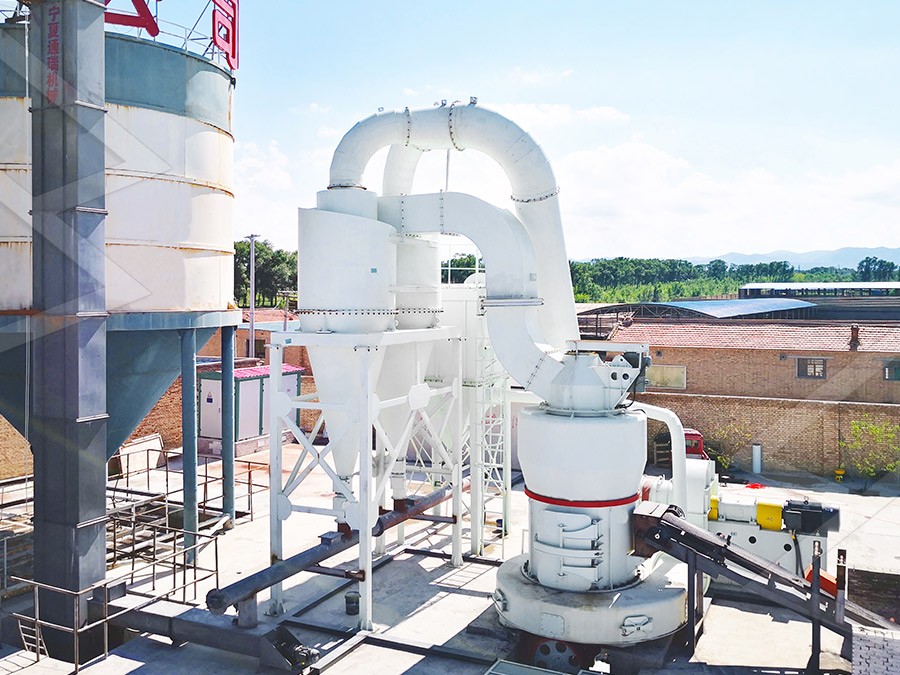
The trend is definitely moving towards more energy-efficient grinding. Why? Because grinding can consume over 50% of a plant’s total energy. Investing in technology that reduces that consumption, like the MW Ultrafine Mill, pays for itself in the long run through drastically lower operating costs and better product consistency.
Do your homework, analyze your ore, and definitely consider modern grinding solutions. They offer the efficiency and reliability that today’s competitive market demands. Choosing the right partner for your equipment is just as important as choosing the equipment itself.
Hope this breakdown helps. Crush on!