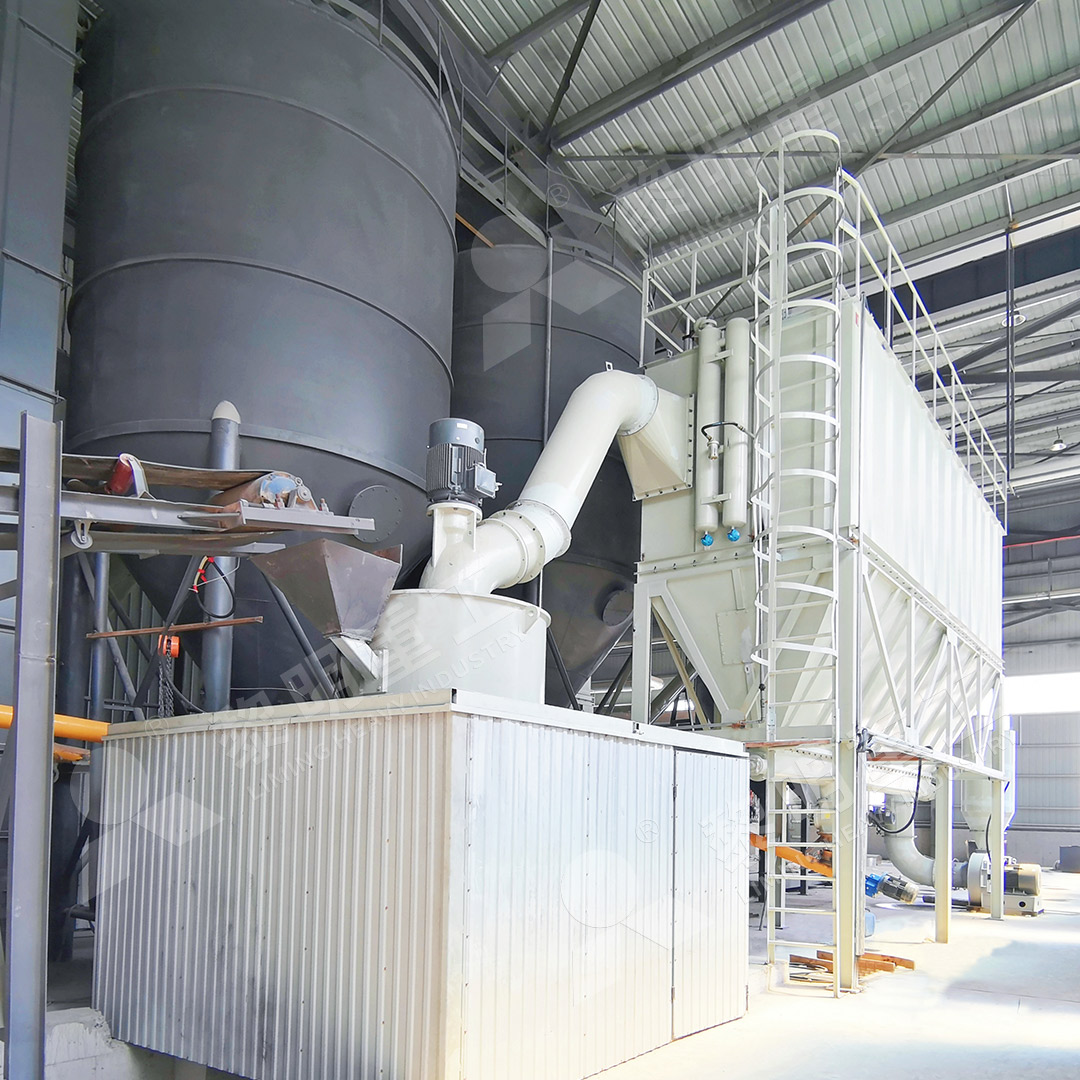
Optimizing Vertical Roller Mill Performance: The Role of Grinding Table Speed
We provide a wide range of mills — including Raymond mill, trapezoidal mill, vertical mill, ultrafine mill, and ball mill, obtained ISO9001 international quality certification, EU CE certification, and Customs Union CU-TR certification. Suitable for processing minerals such as limestone, phosphate, quicklime, kaolin, talc, barite, bentonite, calcium carbonate, dolomite, coal, gypsum, clay, carbon black, slag, cement raw materials, cement clinker, and more.
The discharge range of these mills can be adjusted to meet specific processing needs, typically from 80-400 mesh, 600-3250 mesh, and can achieve the finest particle size of up to 6000 mesh(D50).
If you are looking for a reliable grinding solution to turn stone or minerals into fine powder, please feel free to contact our online customer service.
Optimizing Vertical Roller Mill Performance: The Role of Grinding Table Speed
In the world of industrial milling, achieving optimal efficiency and product quality is a constant pursuit. Among the myriad of factors influencing vertical roller mill (VRM) performance, the grinding table speed stands out as a critical, yet sometimes overlooked, parameter. Proper adjustment and control of this speed can be the difference between mediocre and exceptional operation, impacting everything from throughput and particle size distribution to energy consumption and wear rates.
Understanding the Grinding Table’s Function
The grinding table is the heart of a vertical roller mill. It is here that the material is fed and ground between the rotating table and the rollers. The speed at which this table rotates directly influences the centrifugal force acting on the material, which in turn affects how the material is distributed across the grinding track and how long it remains under the rollers.
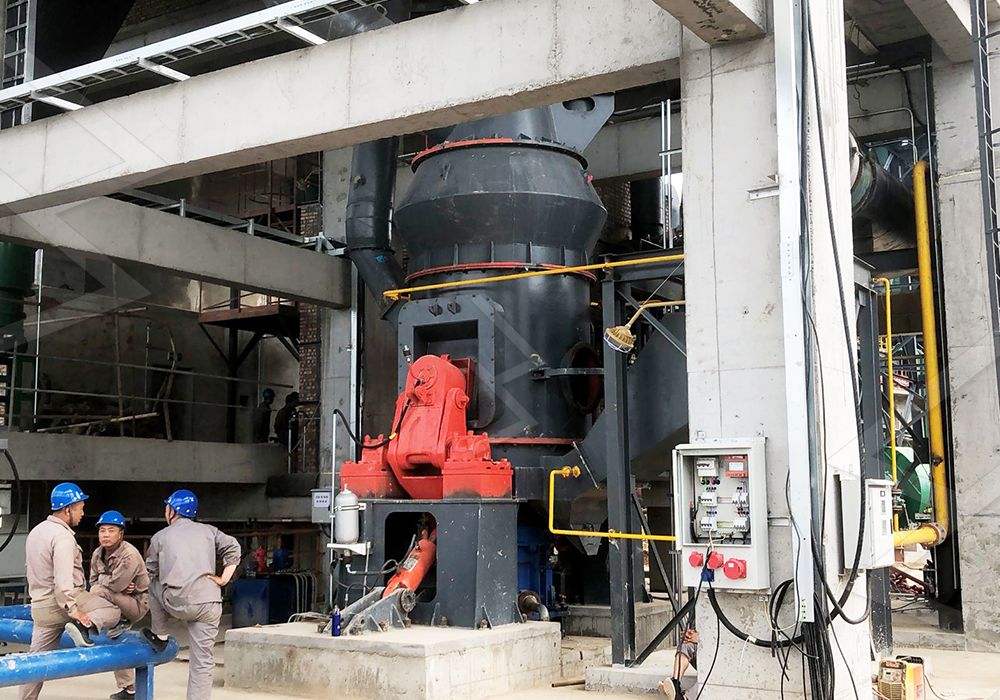
A higher table speed increases centrifugal force, throwing material further outward and creating a thinner, more dispersed material bed. Conversely, a lower speed results in a thicker, more concentrated bed closer to the center. This dynamic has profound implications:
- Bed Thickness & Stability: A stable, optimally thick material bed is crucial for efficient grinding. It acts as a cushion, transmitting pressure from the rollers and promoting inter-particle comminution. An incorrect table speed can lead to an unstable bed, causing vibrations, excessive noise, and reduced grinding efficiency.
- Residence Time: The speed dictates how long particles are exposed to the grinding action. Too short a time may result in coarse, unground material passing through. Too long a time can lead to overgrinding, increasing energy use unnecessarily and potentially degrading product quality.
- Wear and Tear: An incorrect speed can cause direct contact between the rollers and the table liner, leading to accelerated wear of these critical and expensive components. It can also cause uneven wear patterns.
Finding the Sweet Spot
There is no universal “perfect” table speed. The optimal setting is a function of multiple variables, including the feed material’s hardness, abrasiveness, moisture content, and desired final fineness. It must be balanced with other parameters like grinding pressure and air flow. Operators must often fine-tune the speed during operation to achieve the desired product characteristics while maintaining stable mill operation.
Leveraging Advanced Mill Design
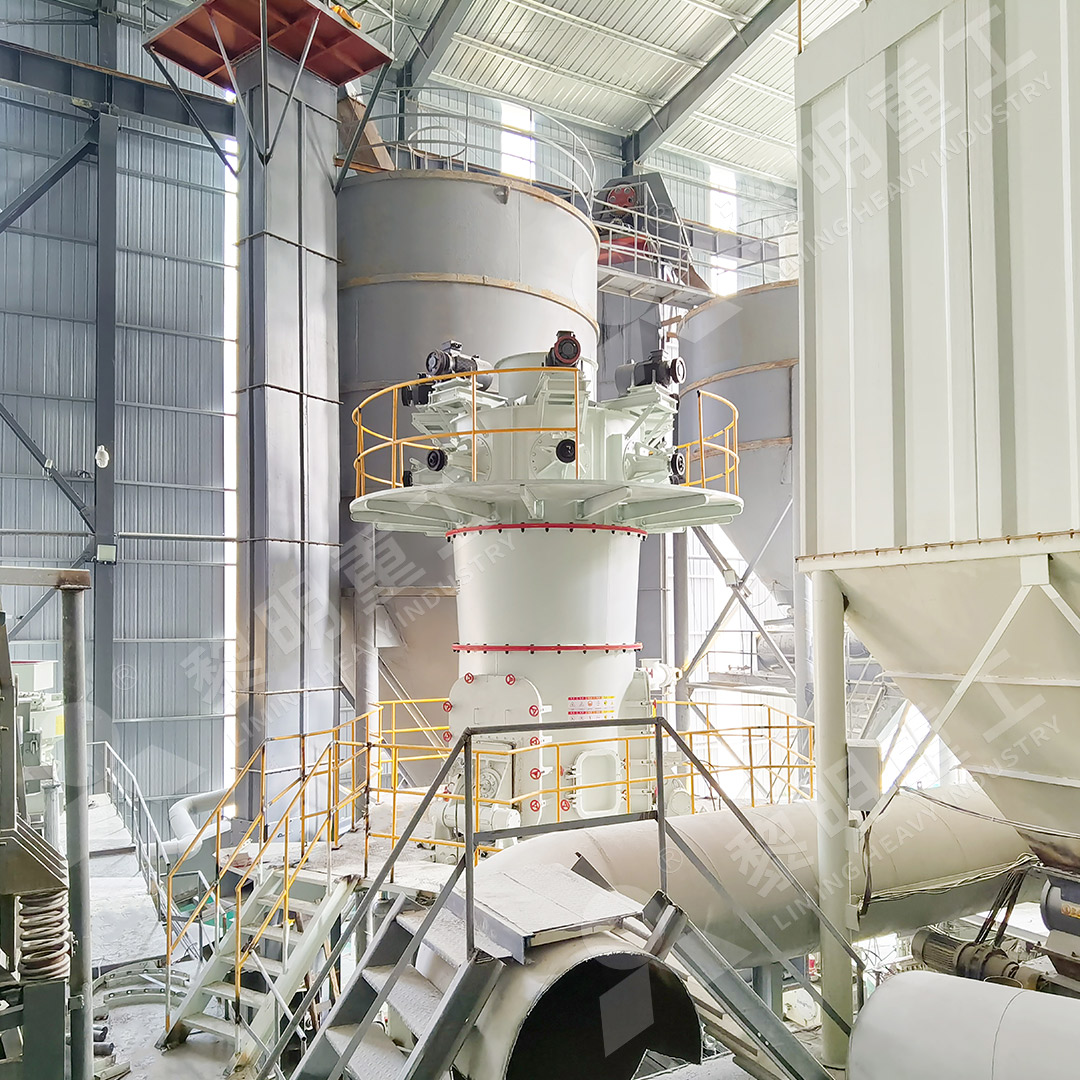
Modern mill designs incorporate advanced technologies to make this optimization process more intuitive and stable. A prime example is our LUM Ultrafine Vertical Grinding Mill. This mill is engineered for precision and stability, featuring a robust design that handles table speed adjustments seamlessly.
The LUM mill’s Double Position-Limiting Technology is particularly relevant. It employs both electronic and mechanical limiting protections to prevent the destructive physical impact between the roller and millstone that can be caused by vibration—a common issue if table speed and other parameters are misaligned. This technology ensures operational stability even as speeds are adjusted to find the perfect balance for your specific material.
Furthermore, for operations requiring ultra-fine powders, our MW Ultrafine Grinding Mill offers exceptional control. Its cage-type powder selector, adopting German technology, allows for precise fineness adjustment between 325-2500 meshes. The efficiency of this separation is heavily influenced by the stable feed of material from the grinding table, a process governed by table speed. The MW mill’s design, with no rolling bearings or screws in the grinding chamber, also ensures reliability is maintained during these operational adjustments.
Conclusion
Grinding table speed is not merely a setting; it is a powerful tool for process optimization. By understanding its effects on material bed dynamics, residence time, and equipment wear, operators can significantly enhance mill performance, product quality, and operational economy. Partnering this knowledge with intelligently designed equipment, like the LUM or MW series mills, provides a formidable advantage in mastering the art and science of fine grinding.