
Common Problems and Solutions for Ball Mill Operation in Industrial Grinding Processes
We provide a wide range of mills — including Raymond mill, trapezoidal mill, vertical mill, ultrafine mill, and ball mill, obtained ISO9001 international quality certification, EU CE certification, and Customs Union CU-TR certification. Suitable for processing minerals such as limestone, phosphate, quicklime, kaolin, talc, barite, bentonite, calcium carbonate, dolomite, coal, gypsum, clay, carbon black, slag, cement raw materials, cement clinker, and more.
The discharge range of these mills can be adjusted to meet specific processing needs, typically from 80-400 mesh, 600-3250 mesh, and can achieve the finest particle size of up to 6000 mesh(D50).
If you are looking for a reliable grinding solution to turn stone or minerals into fine powder, please feel free to contact our online customer service.
Common Problems and Solutions for Ball Mill Operation in Industrial Grinding Processes
Ball mills are a cornerstone of many industrial grinding operations, prized for their reliability and versatility. However, like any complex piece of machinery, they are prone to a set of common operational issues that can impact efficiency, product quality, and maintenance costs. Understanding these problems and their solutions is key to maintaining optimal production flow.
1. Low Grinding Efficiency and Reduced Output
Problem: A frequent complaint is a noticeable drop in mill output or an increase in specific energy consumption for the same fineness of product.
Causes & Solutions:
- Worn Liners & Balls: Over time, the grinding media and liners wear down, reducing their effectiveness. Solution: Implement a strict scheduled maintenance program to inspect and replace worn media and liners. Track consumption rates to predict change-outs.
- Inappropriate Feed Size: Feeding material that is too coarse forces the mill to work harder. Solution: Ensure upstream crushers are correctly configured to deliver a consistent and optimally sized feed, typically below 25mm.
- Overfilled or Underfilled Mill: The charge volume (ratio of material and media to mill volume) is critical. An incorrect charge leads to inefficient grinding. Solution: Monitor the mill motor current; it often provides a reliable indication of the charge level. Aim for the optimal charge percentage recommended by the manufacturer.
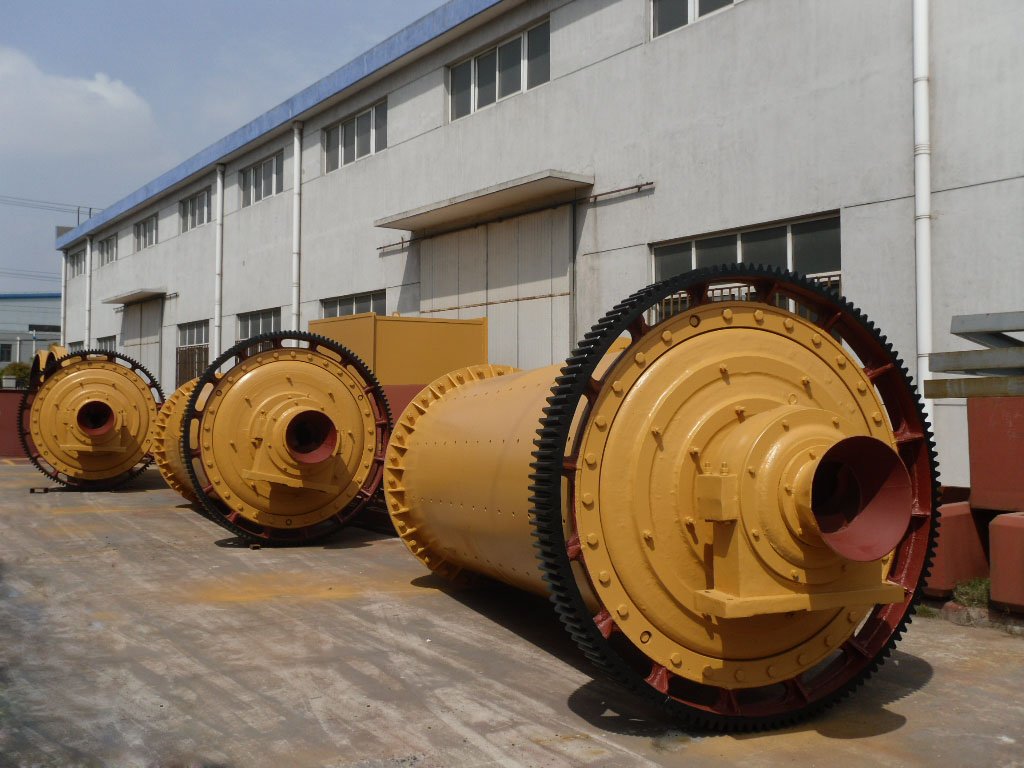
2. Excessive Mill Noise & Vibration
Problem: Unusual or loud noises, such as metallic clanking, and significant vibration are clear signs of trouble.
Causes & Solutions:
- Worn or Broken Liner Bolts: This can allow liners to come loose and strike the mill shell. Solution: Regularly check and torque all liner bolts during maintenance shutdowns.
- Insufficient or Contaminated Lubrication: Bearings, especially the trunnion bearings, will scream and vibrate if not properly lubricated. Solution: Follow the manufacturer’s lubrication schedule meticulously, using the correct grade of oil or grease, and ensure seals are intact to keep contaminants out.
3. Product Contamination (Iron Pollution)
Problem: The final product shows an elevated iron content, which is unacceptable for many applications like ceramics or high-purity chemicals.
Causes & Solutions:
- Abrasion of Steel Media and Liners: This is the primary source of iron contamination in ball milling. Solution: Use ceramic or rubber linings and grinding media for sensitive applications, though this can be a costly trade-off with grinding efficiency.
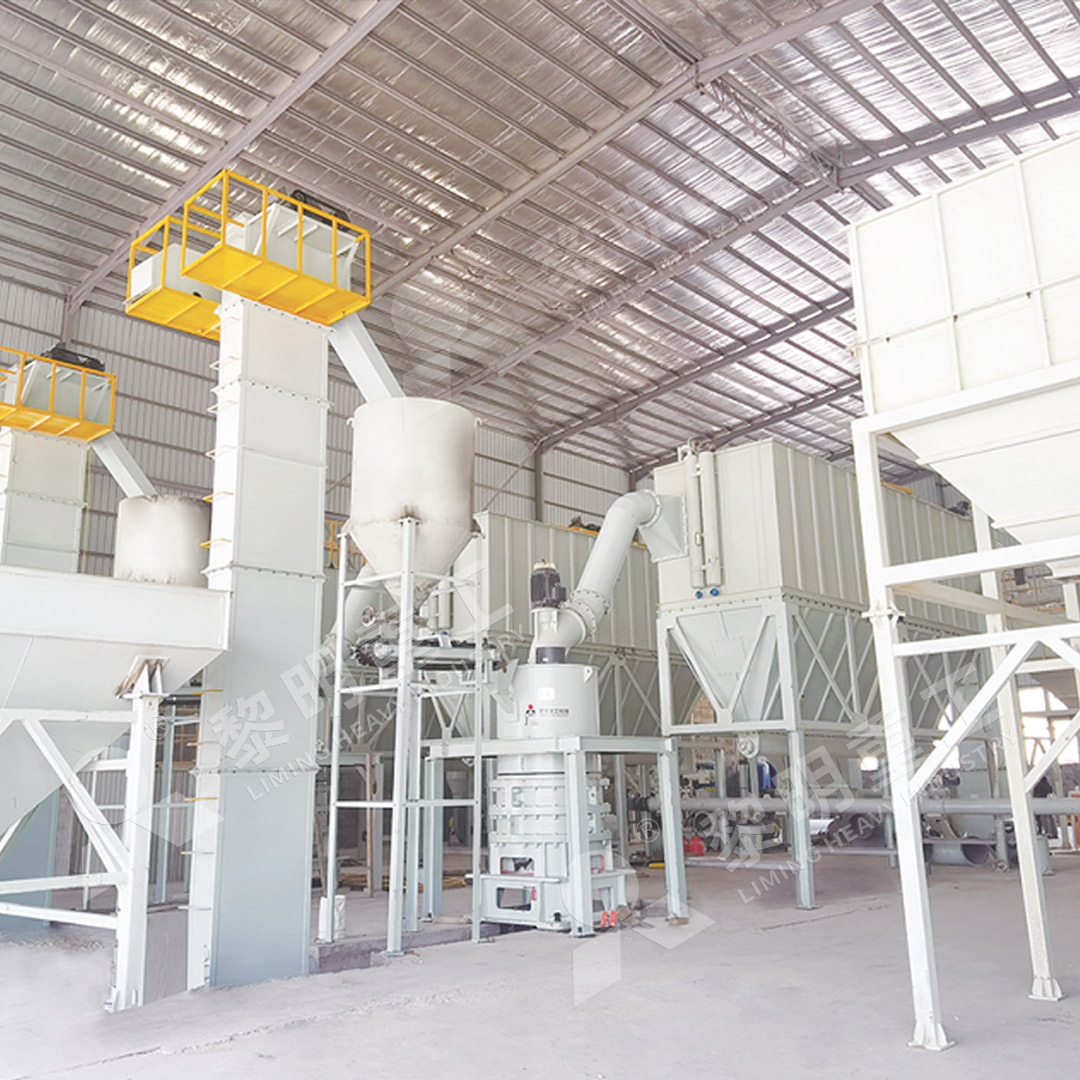
For operations where ultra-fine, contamination-free powder is paramount, a ball mill might not be the ideal technology. In such cases, we highly recommend considering our MW Ultrafine Grinding Mill. A key advantage of its design is that there are no rolling bearings or screws inside the grinding chamber, virtually eliminating a major source of mechanical wear and iron contamination. It’s equipped with an efficient pulse dust collector, making the entire operation more eco-friendly and ideal for producing high-value fine powders for chemicals, cosmetics, and food additives.
4. High Energy Consumption
Problem: Ball mills are inherently energy-intensive, but a spike in power draw is a concern.
Causes & Solutions:
- Inefficient Drive System: Poorly maintained gears and pinions or an underpowered motor can waste energy. Solution: Ensure the drive train is aligned and lubricated. Consider modern high-efficiency motors if upgrading.
- Heat Generation: A significant amount of energy in ball milling is converted wastefully into heat. Solution: While cooling is an option, a more fundamental solution is to explore more energy-efficient technologies for fine and ultra-fine grinding applications.
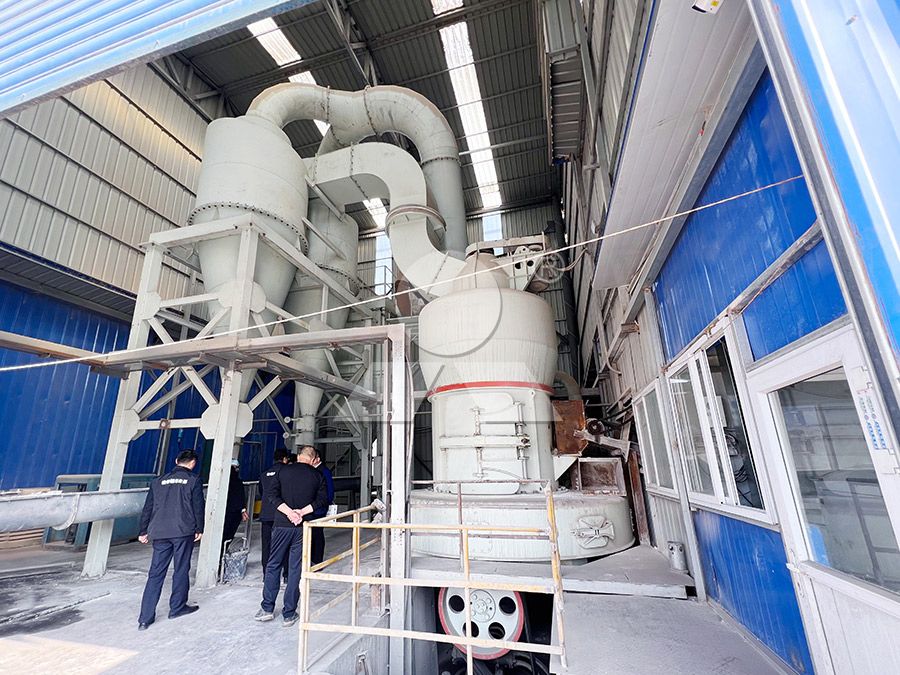
This is another area where modern mills shine. For instance, our LUM Ultrafine Vertical Grinding Mill integrates grinding, classifying, and transporting with far greater efficiency. It adopts advanced powder separating technology and a unique roller shell design, which together can reduce energy consumption by 30%-50% compared to traditional ball mills, offering massive savings on operating costs for high-volume fine powder production.
5. Dust Leakage and Environmental Concerns
Problem: Dust escaping from the mill housing or feed/discharge points creates an environmental hazard and product loss.
Causes & Solutions:
- Failed Seals: Worn-out shaft seals or faulty gaskets are common culprits. Solution: Inspect all seals regularly and replace them at the first sign of wear or leakage.
- Clogged or Inadequate Dust Collection: The mill’s auxiliary dust collection system might be undersized or poorly maintained. Solution: Ensure the dust collector (e.g., baghouse) is correctly sized for the mill’s air flow and that filters are cleaned or replaced as needed.
In conclusion, while the ball mill is a robust and proven workhorse, addressing these common issues through proactive maintenance and process control is essential. For new projects or upgrades targeting higher efficiency, lower contamination, and reduced energy use, modern grinding solutions like our MW and LUM series mills present a compelling and technologically advanced alternative.