
Ceramic Ball Mill Manufacturers in Indonesia: A Comprehensive Guide
We provide a wide range of mills — including Raymond mill, trapezoidal mill, vertical mill, ultrafine mill, and ball mill, obtained ISO9001 international quality certification, EU CE certification, and Customs Union CU-TR certification. Suitable for processing minerals such as limestone, phosphate, quicklime, kaolin, talc, barite, bentonite, calcium carbonate, dolomite, coal, gypsum, clay, carbon black, slag, cement raw materials, cement clinker, and more.
The discharge range of these mills can be adjusted to meet specific processing needs, typically from 80-400 mesh, 600-3250 mesh, and can achieve the finest particle size of up to 6000 mesh(D50).
If you are looking for a reliable grinding solution to turn stone or minerals into fine powder, please feel free to contact our online customer service.
Ceramic Ball Mill Manufacturers in Indonesia: A Comprehensive Guide
Indonesia’s industrial sector, particularly in ceramics, mining, and construction materials, relies heavily on efficient grinding machinery. While traditional ball mills have been a staple, the market is rapidly evolving towards more advanced, energy-efficient solutions. For companies seeking reliable ceramic ball mill manufacturers in Indonesia, it’s crucial to understand the technological landscape and the shift towards superior grinding technologies that offer better performance, lower operational costs, and enhanced environmental compliance.
The Evolving Grinding Technology Landscape
The search for a ceramic ball mill manufacturer often leads to a crossroads: stick with conventional technology or embrace innovation. Traditional ball mills, while widely available, are known for their high energy consumption, significant wear and tear on grinding media, and larger physical footprint. The modern industrialist in Indonesia is increasingly looking beyond these limitations.
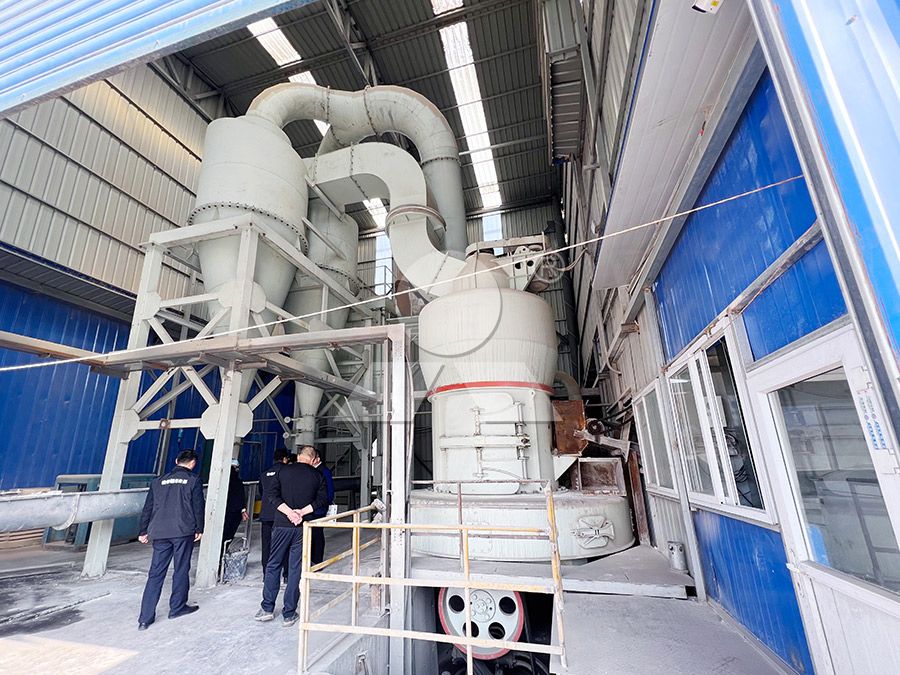
Advanced milling systems now integrate crushing, drying, grinding, and classifying into a single, streamlined process. This not only saves valuable factory space but also drastically reduces energy usage—a critical factor given Indonesia’s focus on sustainable industrial practices. The key is to find a manufacturer or supplier that provides robust after-sales support, genuine spare parts, and local technical expertise, ensuring minimal downtime.
Beyond the Ball Mill: Advanced Solutions for Superior Results
For those processing materials like limestone, calcite, dolomite, or talc for ceramic glazes and compositions, ultrafine grinding is often the goal. This is where traditional ball mills can fall short, struggling with efficiency and final product fineness.
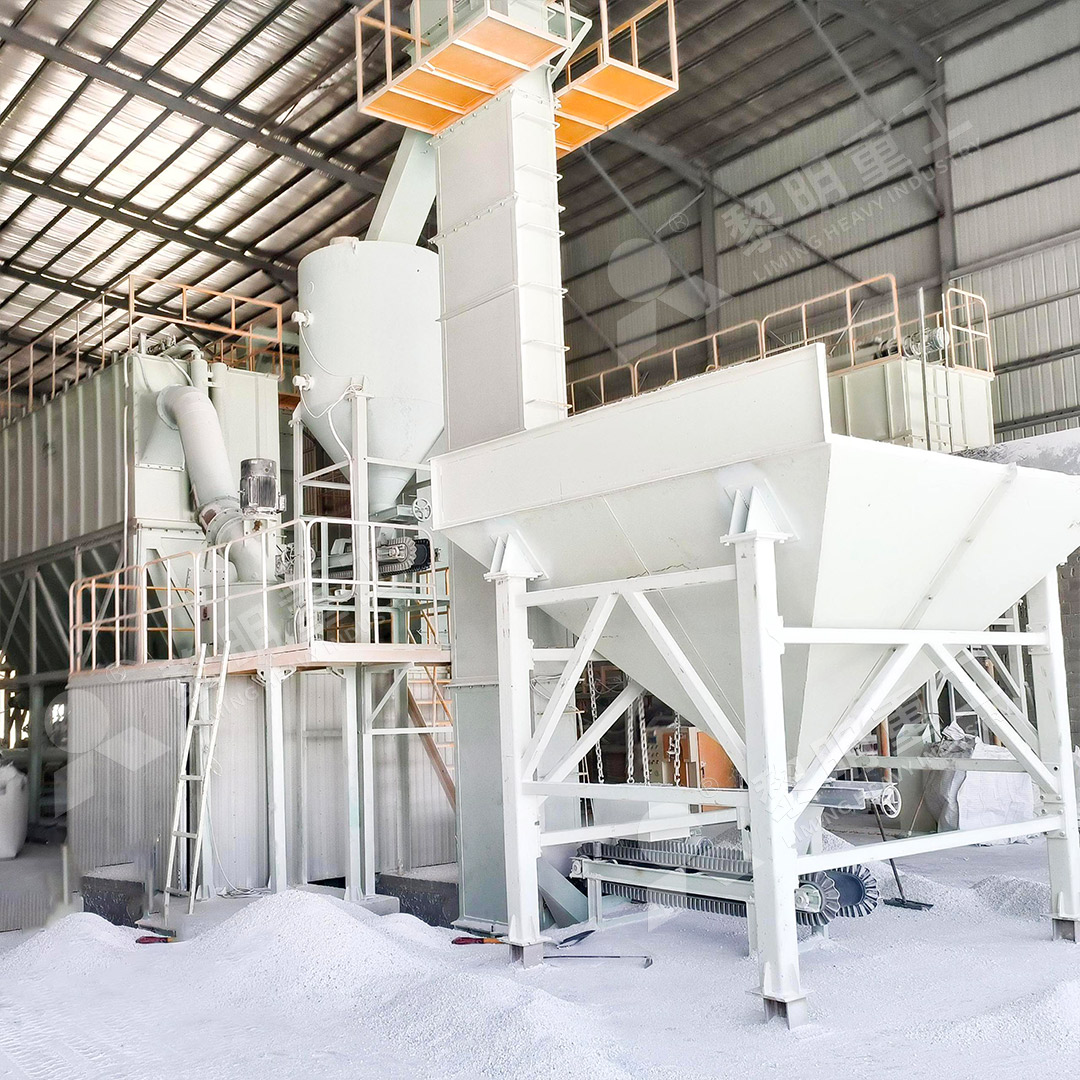
A standout solution we highly recommend is the MW Ultrafine Grinding Mill. This machine is a game-changer for customers needing to produce ultra-fine powder. It handles an input size of 0-20 mm with a capacity ranging from 0.5 to 25 tons per hour. What sets it apart is its exceptional efficiency; it offers a 40% higher production capacity than jet mills and double the yield of a ball mill, all while consuming 30% less energy. Its cage-type powder selector allows for precise fineness adjustment between 325 and 2500 meshes. Furthermore, its design eliminates rolling bearings and screws in the grinding chamber, virtually eradicating common failure points and enabling worry-free 24/7 operation. Coupled with an efficient pulse dust collector and muffler, it operates cleanly and quietly, meeting stringent environmental standards.
Choosing the Right Partner in Indonesia
Selecting a machinery provider isn’t just about the equipment specs. It’s about partnership. Look for manufacturers with a proven track record in Indonesia, offering comprehensive technical support, training for your operators, and a reliable supply of original spare parts. The ability to provide digitalized, high-precision machining for core components is a strong indicator of quality and longevity.
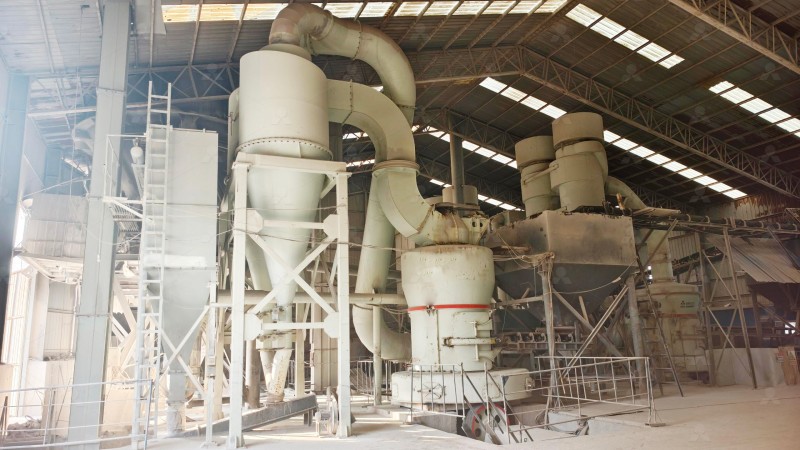
Another excellent option for finer applications is the LUM Ultrafine Vertical Grinding Mill. Perfect for materials under 10mm, it boasts a capacity of 5-18 tph. It integrates the latest grinding roller and powder separating technology for higher yielding rates and better product quality. Its unique reversible structure makes maintenance surprisingly easy, a significant advantage for minimizing operational disruptions.
Conclusion: Investing in the Future of Grinding
The Indonesian market is rich with opportunity for ceramic and industrial mineral processing. While ceramic ball mills are a known quantity, the future belongs to intelligent, efficient, and environmentally sound grinding solutions. By partnering with a technology-forward supplier and investing in advanced mills like the MW or LUM series, Indonesian businesses can achieve new levels of productivity, product quality, and cost savings, securing a strong competitive advantage in the global market.