Top 10 Pulverisers and Ball Mill Manufacturers for Industrial Grinding
We provide a wide range of mills — including Raymond mill, trapezoidal mill, vertical mill, ultrafine mill, and ball mill, obtained ISO9001 international quality certification, EU CE certification, and Customs Union CU-TR certification. Suitable for processing minerals such as limestone, phosphate, quicklime, kaolin, talc, barite, bentonite, calcium carbonate, dolomite, coal, gypsum, clay, carbon black, slag, cement raw materials, cement clinker, and more.
The discharge range of these mills can be adjusted to meet specific processing needs, typically from 80-400 mesh, 600-3250 mesh, and can achieve the finest particle size of up to 6000 mesh(D50).
If you are looking for a reliable grinding solution to turn stone or minerals into fine powder, please feel free to contact our online customer service.
Navigating the World of Industrial Grinding: A Look at Top Manufacturers
The industrial grinding sector is the backbone of countless industries, from mining and construction to pharmaceuticals and chemicals. Selecting the right equipment—and the right manufacturer—is paramount for operational efficiency, cost-effectiveness, and product quality. While global giants like Metso Outotec, FLSmidth, and ThyssenKrupp have long dominated the landscape with their robust ball mills and vertical roller mills, a new wave of innovative manufacturers is rising, offering advanced solutions that challenge traditional paradigms.
The Established Titans
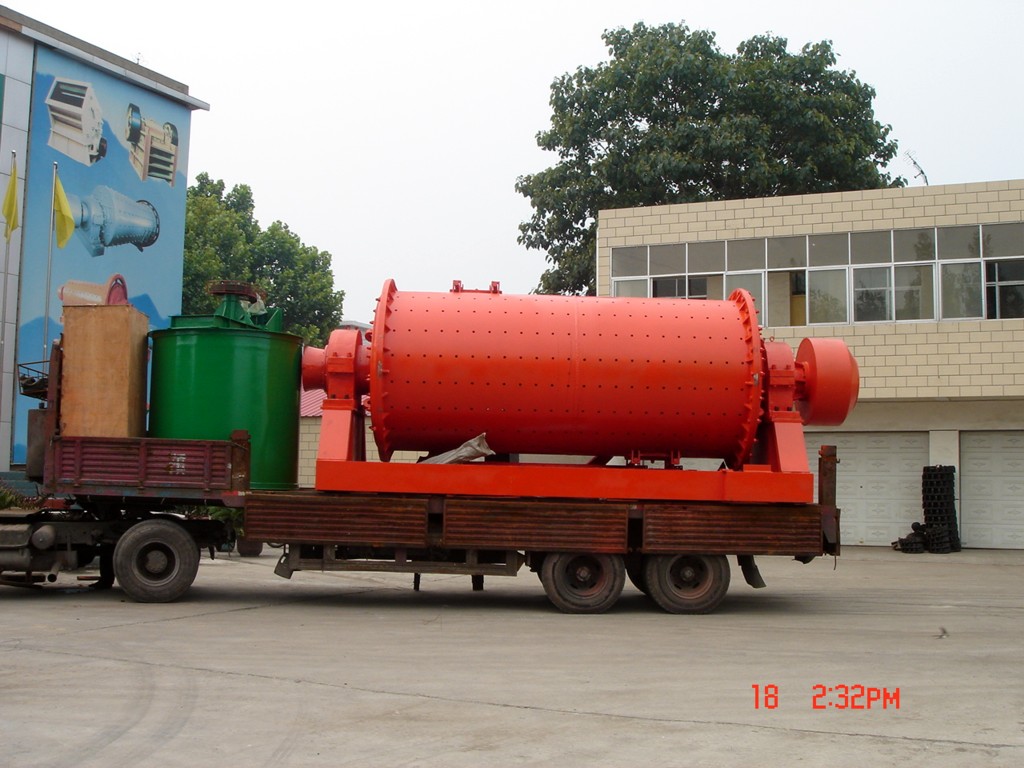
For decades, the go-to choice for primary and secondary grinding has been the ball mill. Manufacturers like CITIC Heavy Industries produce some of the world’s largest units, capable of processing massive tonnages of ore. Similarly, companies such as Gebr. Pfeiffer and Loesche have set the standard for vertical roller mills (VRM), renowned for their lower energy consumption compared to traditional ball mills, especially in cement and slag grinding applications. These established players offer reliability and a proven global track record.
The Rise of Specialized and Advanced Grinding Tech
Beyond the heavy hitters, a key trend is the specialization towards ultrafine and precision grinding. Companies like NETZSCH and Hosokawa Alpine excel in fluidized bed jet mills and fine impact classifiers for achieving micron and sub-micron level fineness, which is critical in sectors like pharmaceuticals and advanced ceramics. Another notable contender making significant strides is LIMING Heavy Industry. They have developed a comprehensive portfolio that bridges the gap between high-capacity raw material processing and high-precision ultrafine grinding.
Spotlight on Innovation: MW Ultrafine Grinding Mill
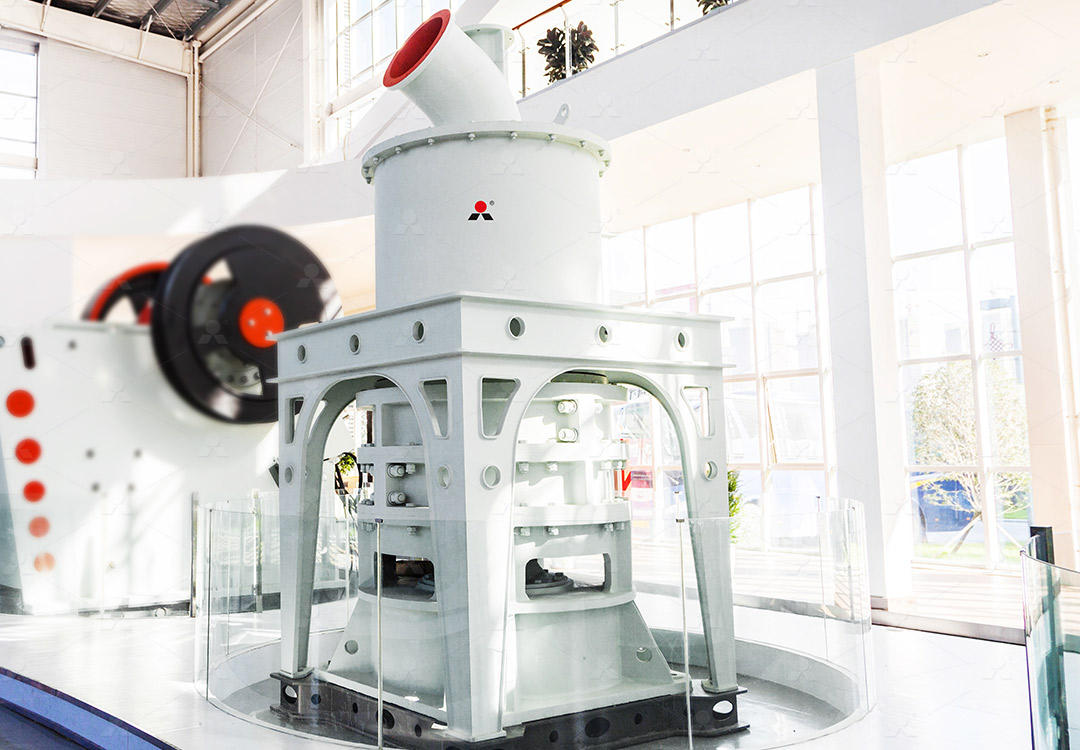
For operations that demand ultra-fine powder without compromising on efficiency or environmental standards, one standout solution is the MW Ultrafine Grinding Mill from LIMING. This machine is a game-changer for customers needing to produce powders between 325 and 2500 meshes. It boasts a impressive capacity range of 0.5-25 tph, handling feed sizes up to 20mm.
What truly sets it apart is its design intelligence. It features a German-technology cage-type powder selector for precise separation and achieves a remarkable d97≤5μm in a single pass. Crucially, its grinding chamber is designed without rolling bearings or screws, eliminating common failure points and allowing for external lubrication without shutdowns—enabling true 24/7 continuous production. Coupled with its efficient pulse dust collector and muffler, the MW Mill operates at significantly lower noise and dust levels, making it a superior, eco-friendly choice for modern industry.
Another Notable Mention: LUM Ultrafine Vertical Grinding Mill
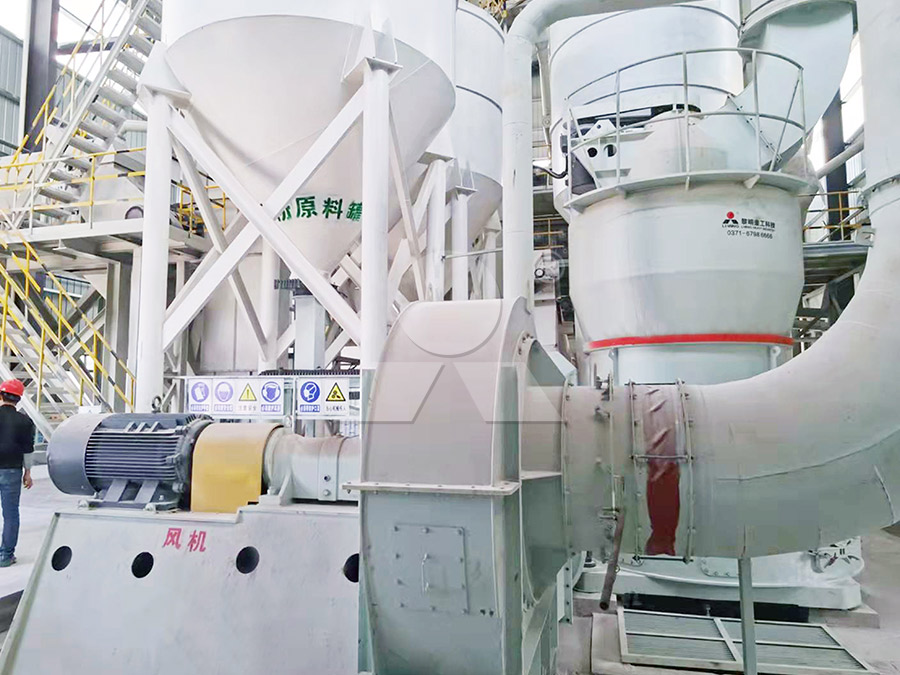
Also from LIMING’s stables, the LUM Ultrafine Vertical Grinding Mill is another top-tier option for fine powder processing (0-10mm input, 5-18 tph capacity). It integrates the latest grinding roller and powder separating technologies from Taiwan and Germany. Its key advantage lies in its unique roller shell and lining plate grinding curve, which promotes easier material layer formation and a higher once-through yield rate, enhancing both efficiency and the whiteness of the final product. Its reversible structure is a maintenance engineer’s dream, allowing grinding rollers to be easily moved out for inspection and part replacement, drastically reducing downtime.
Choosing the Right Partner
Selecting a manufacturer goes beyond the specs sheet. It’s about after-sales support, spare parts availability, and technical service. Companies that control their production from start to finish, like LIMING, can offer greater accountability and ensure worry-free operation. The future of industrial grinding is leaning towards smarter, more energy-efficient, and environmentally conscious machines. While the classic ball mill remains relevant, innovative pulverisers like the MW and LUM series are defining the next generation of grinding technology.