
Equipment for Producing 400 Mesh Steel Slag Powder from Steel Slag
We provide a wide range of mills — including Raymond mill, trapezoidal mill, vertical mill, ultrafine mill, and ball mill, obtained ISO9001 international quality certification, EU CE certification, and Customs Union CU-TR certification. Suitable for processing minerals such as limestone, phosphate, quicklime, kaolin, talc, barite, bentonite, calcium carbonate, dolomite, coal, gypsum, clay, carbon black, slag, cement raw materials, cement clinker, and more.
The discharge range of these mills can be adjusted to meet specific processing needs, typically from 80-400 mesh, 600-3250 mesh, and can achieve the finest particle size of up to 6000 mesh(D50).
If you are looking for a reliable grinding solution to turn stone or minerals into fine powder, please feel free to contact our online customer service.
Transforming Industrial Byproduct into Valuable Resource
Steel slag, a byproduct of the steelmaking process, has long presented a disposal challenge for the industry. However, with the right technology, this waste material can be transformed into a valuable resource – high-purity steel slag powder. Producing 400 mesh steel slag powder requires specialized grinding equipment capable of handling the abrasive nature of slag while achieving the precise fineness required for applications in cement production, concrete additives, and construction materials.
The process begins with crushing and pre-processing the raw steel slag to a manageable size. This prepared material then enters the grinding phase, where the critical transformation occurs. The equipment must not only grind the material to the desired 400 mesh fineness but also handle the hard and abrasive characteristics of slag without excessive wear on components.
Technical Challenges in Steel Slag Grinding
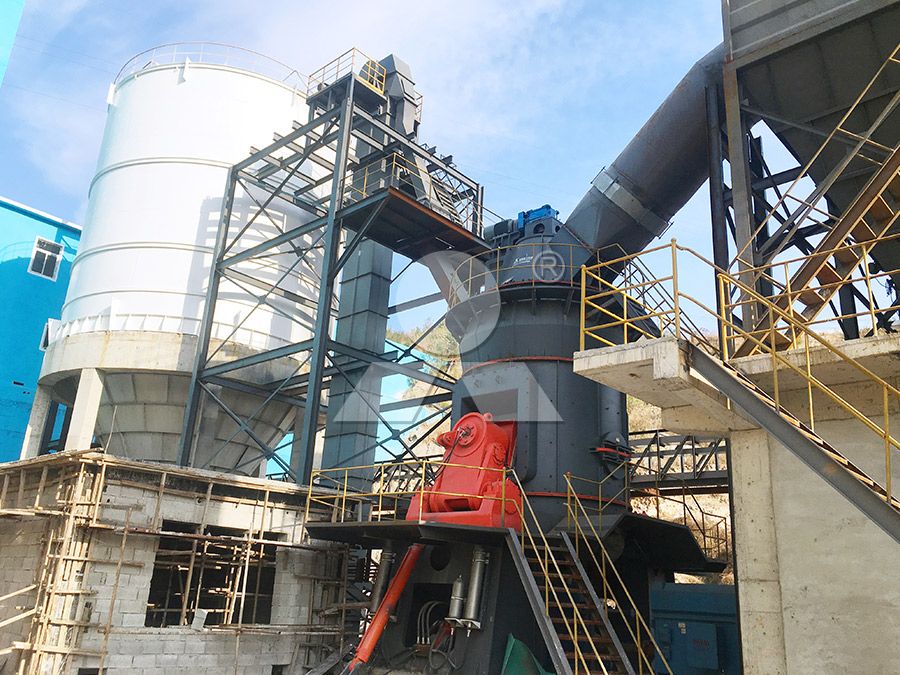
Grinding steel slag presents unique challenges that not all milling systems can handle effectively. The material’s high hardness and abrasiveness can cause rapid wear on grinding components, leading to increased maintenance costs and downtime. Additionally, the presence of metallic iron in slag can further complicate the grinding process and potentially damage equipment.
Temperature control is another critical factor, as the grinding process generates significant heat that can affect both the equipment and the quality of the final product. The ideal grinding system must incorporate effective cooling mechanisms and possess the robustness to maintain consistent performance under these demanding conditions.
Recommended Solution: MW Ultrafine Grinding Mill
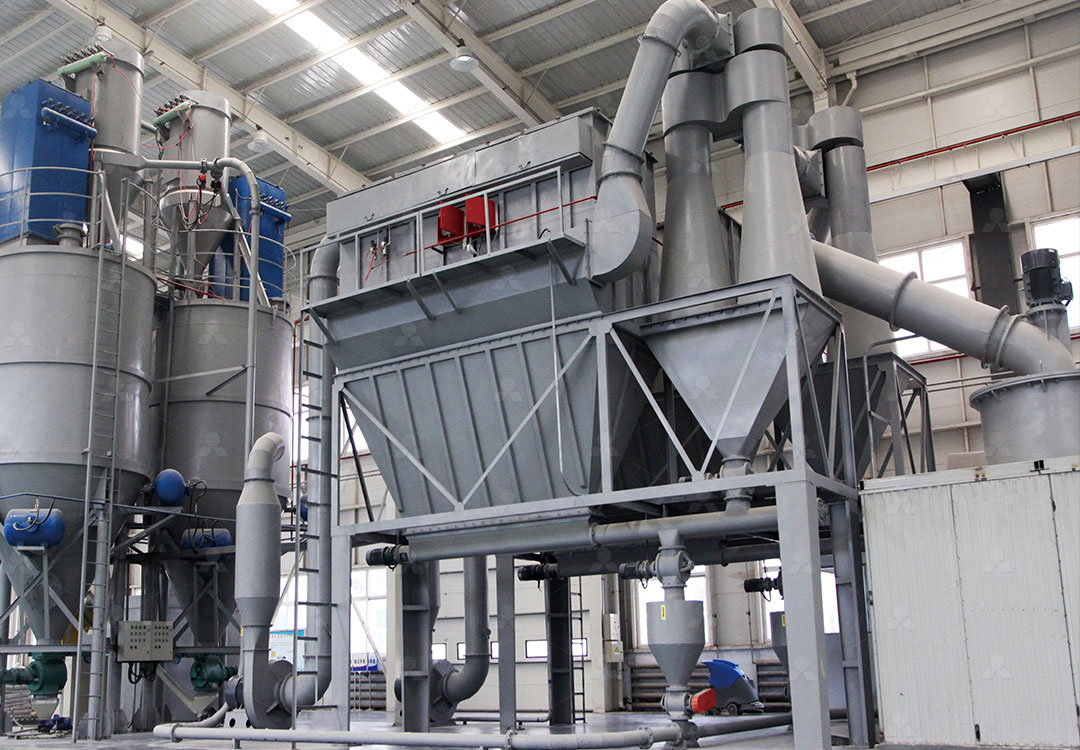
For operations requiring 400 mesh steel slag powder, we recommend our MW Ultrafine Grinding Mill. This machine is specifically engineered to handle tough materials like steel slag while delivering exceptional grinding performance. With an input size capacity of 0-20 mm and throughput ranging from 0.5-25 tph, the MW series offers flexibility for various production requirements.
The MW Ultrafine Grinding Mill features several innovative technologies that make it particularly suitable for steel slag processing. Its cage-type powder selector, incorporating German technology, allows precise control over fineness between 325-2500 meshes – perfectly encompassing the 400 mesh target. The absence of rolling bearings and screws in the grinding chamber eliminates concerns about damage to these components from the abrasive slag material.
Environmental and Operational Advantages
Modern steel slag processing must address environmental concerns, and the MW Ultrafine Grinding Mill excels in this area. The integrated pulse dust collector ensures no dust pollution during operation, while the silencer and noise elimination room significantly reduce operational noise. The entire system is designed to meet national environmental protection standards, making it an environmentally responsible choice.
From an operational perspective, the MW series offers higher yielding with lower energy consumption compared to traditional grinding mills. Our testing shows production capacity is 40% higher than jet grinding mills and stirred grinding mills with the same fineness and power requirements. The system energy consumption is only 30% of jet grinding mills, providing significant cost savings over time.
Alternative Solution: LM Vertical Slag Mill
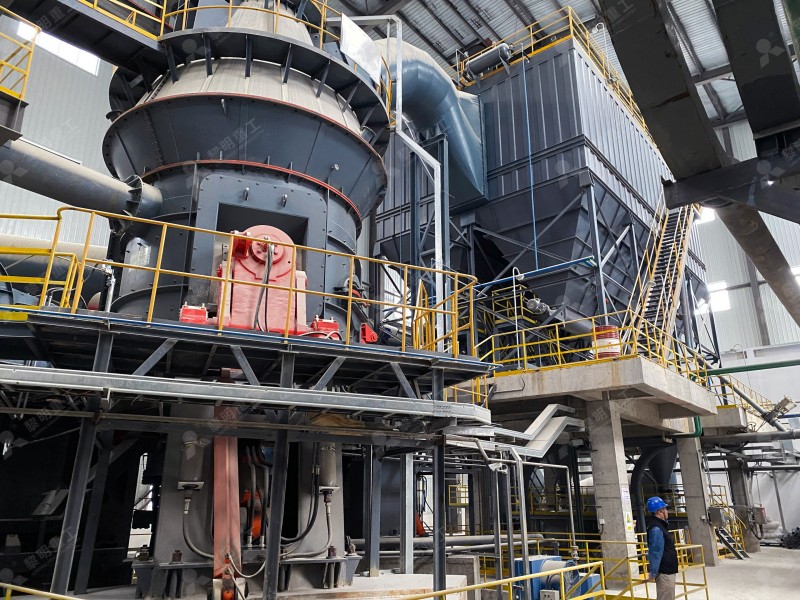
For operations with higher capacity requirements or those processing larger initial slag sizes, our LM Vertical Slag Mill presents an excellent alternative. Specifically designed for grinding industrial wastes like steel slag, this mill integrates drying, grinding, powder selection, and conveying in a single system. With a capacity range of 7-100 t/h and ability to handle input sizes of 38-65 mm, it’s suited for larger-scale operations.
The LM Vertical Slag Mill reduces energy consumption by 30-40% compared to ball milling systems while occupying approximately 50% less space. Its unique grinding device achieves the integration of grinding and powder selection, focusing specifically on slag milling applications. The mill’s important parts are constructed from quality steel, with wear-resistant components made from high-performance materials to withstand the abrasive nature of slag.
Conclusion: Selecting the Right Equipment
Choosing the appropriate equipment for producing 400 mesh steel slag powder depends on several factors, including production volume, initial material size, and specific operational requirements. For most applications targeting 400 mesh fineness, our MW Ultrafine Grinding Mill provides the optimal combination of precision, efficiency, and reliability.
Both the MW Ultrafine Grinding Mill and LM Vertical Slag Mill represent our commitment to developing specialized solutions for industrial byproduct valorization. By transforming steel slag into valuable powder products, these technologies not only address waste management challenges but also create economic opportunities from what was previously considered waste material.