
Water Injection System for Cement Mill Cooling: Manufacturers and Solutions
We provide a wide range of mills — including Raymond mill, trapezoidal mill, vertical mill, ultrafine mill, and ball mill, obtained ISO9001 international quality certification, EU CE certification, and Customs Union CU-TR certification. Suitable for processing minerals such as limestone, phosphate, quicklime, kaolin, talc, barite, bentonite, calcium carbonate, dolomite, coal, gypsum, clay, carbon black, slag, cement raw materials, cement clinker, and more.
The discharge range of these mills can be adjusted to meet specific processing needs, typically from 80-400 mesh, 600-3250 mesh, and can achieve the finest particle size of up to 6000 mesh(D50).
If you are looking for a reliable grinding solution to turn stone or minerals into fine powder, please feel free to contact our online customer service.
Water Injection System for Cement Mill Cooling: Manufacturers and Solutions
In the high-stakes world of cement production, managing the heat generated during the grinding process is a critical challenge. Excessive mill temperatures can lead to a host of problems, including gypsum dehydration, cement quality deterioration, and even mill shutdowns. A well-designed water injection system is not just an accessory; it’s a vital component for maintaining operational efficiency, product quality, and equipment longevity.
The Critical Role of Cooling in Cement Milling
As material is ground inside the massive rotating drum of a cement mill, a significant amount of energy is converted into heat. This heat can cause the temperature of the cement to soar well above 100°C. At these temperatures, the gypsum (CaSO₄·2H₂O) added to control setting times can dehydrate, forming hemihydrate or even soluble anhydrite. This process, known as “false set,” can cause the cement to become stiff and unworkable shortly after mixing with water. An effective cooling strategy, primarily through controlled water injection, is essential to keep the mill outlet temperature within the optimal range of 95-115°C.
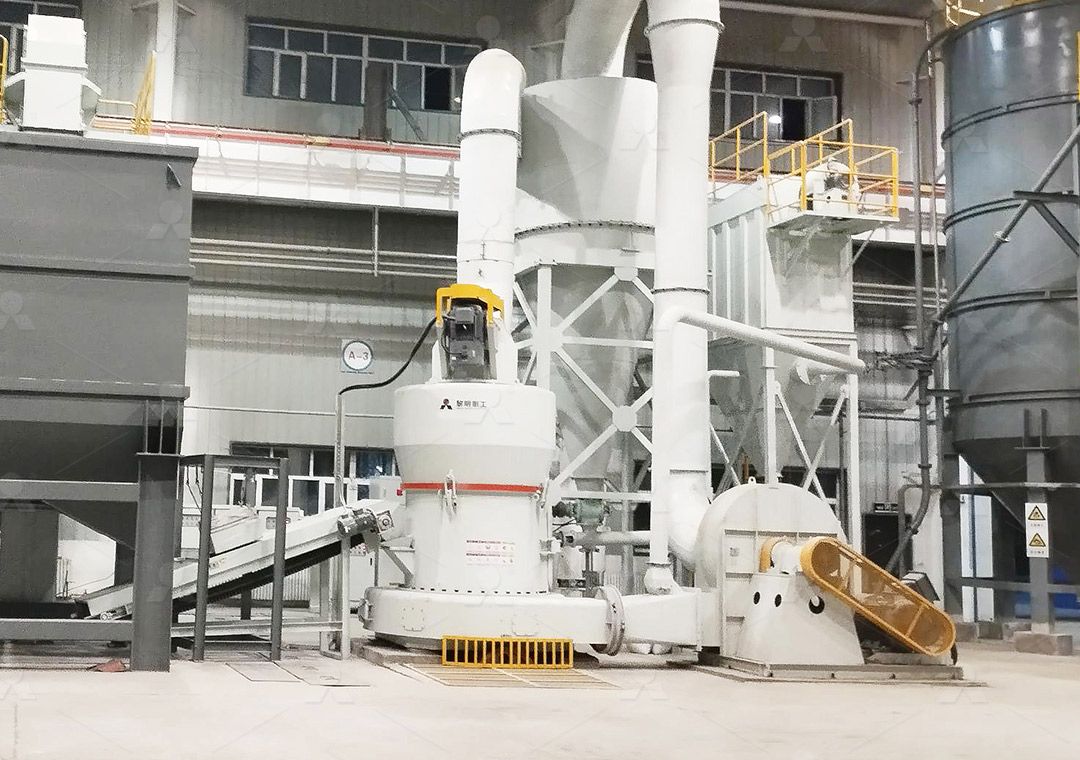
Key Considerations for Water Injection Systems
Implementing a water injection system is more complex than simply spraying water into the mill. Several factors must be meticulously engineered for success:
- Injection Location: Water is typically injected into the mill inlet or second compartment. The location must ensure rapid evaporation and even distribution without causing localised cooling that can lead to coating or ball packing.
- Nozzle Technology: High-pressure, atomizing nozzles are used to create a fine mist, maximizing the surface area for rapid heat absorption through evaporation. This prevents slurry formation inside the mill.
- Control Logic: Modern systems use a closed-loop control system tied to the mill outlet temperature sensor. The PLC adjusts the water flow rate dynamically to maintain a precise setpoint, compensating for changes in feed rate, clinker temperature, and ambient conditions.
- Water Quality: The water must be clean to prevent nozzle clogging. Its hardness and chemical composition are also considered to avoid introducing deleterious elements into the cement.
Beyond Cooling: The Holistic Grinding Solution
While water injection tackles the symptom of heat, the most forward-thinking manufacturers address the root cause: grinding efficiency. The less energy wasted as heat, the less cooling is required. This is where the choice of grinding mill itself becomes paramount. For new installations or upgrades, selecting a mill designed for higher efficiency and lower energy consumption is the most sustainable long-term strategy.
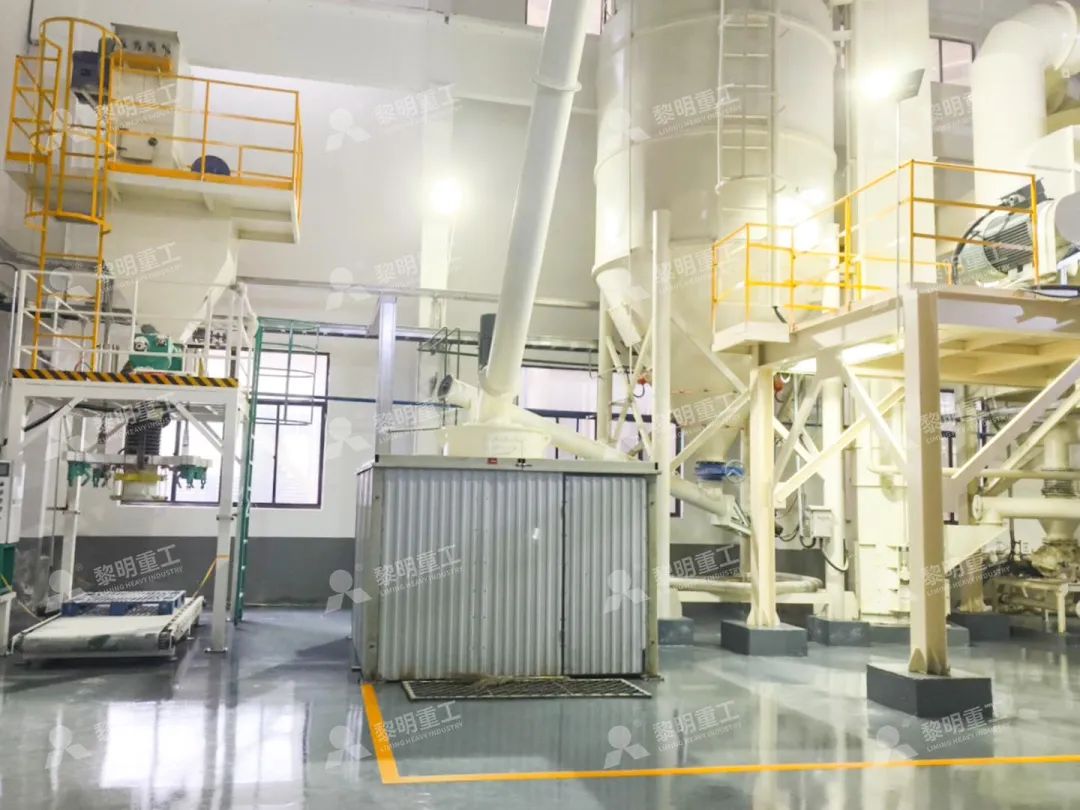
For operations requiring ultra-fine powders or dealing with heat-sensitive materials, the MW Ultrafine Grinding Mill presents an exceptional solution. This machine is engineered for customers who need to make ultra-fine powder without compromising on thermal integrity. With an input size of 0-20 mm and a capacity range of 0.5-25 tph, it’s remarkably versatile. Its design incorporates several features that indirectly reduce the cooling load:
- Higher Yielding, Lower Energy Consumption: Its newly designed grinding curves enhance efficiency, producing 40% higher capacity than jet mills with system energy consumption only 30% of a jet mill. Less energy input means less heat generated.
- Eco-friendly Operation: It is equipped with an efficient pulse dust collector and muffler, reducing dust and noise, ensuring the entire production process is environmentally sound—a key concern for modern plants.
- Worry-free Maintenance: A significant advantage is the absence of rolling bearings and screws in the grinding chamber. This eliminates worries about bearing damage or machine failure from loose screws, a common issue in high-vibration, high-temperature environments.
Choosing the Right Partner
Selecting a water injection system and the accompanying grinding technology is a significant decision. Partnering with a manufacturer that offers comprehensive support—from initial design and engineering to installation, commissioning, and supply of original spare parts—is crucial for ensuring worry-free operation. Look for suppliers with a proven track record, robust digital processing for high-precision machinery, and a global service network capable of providing timely technical support.
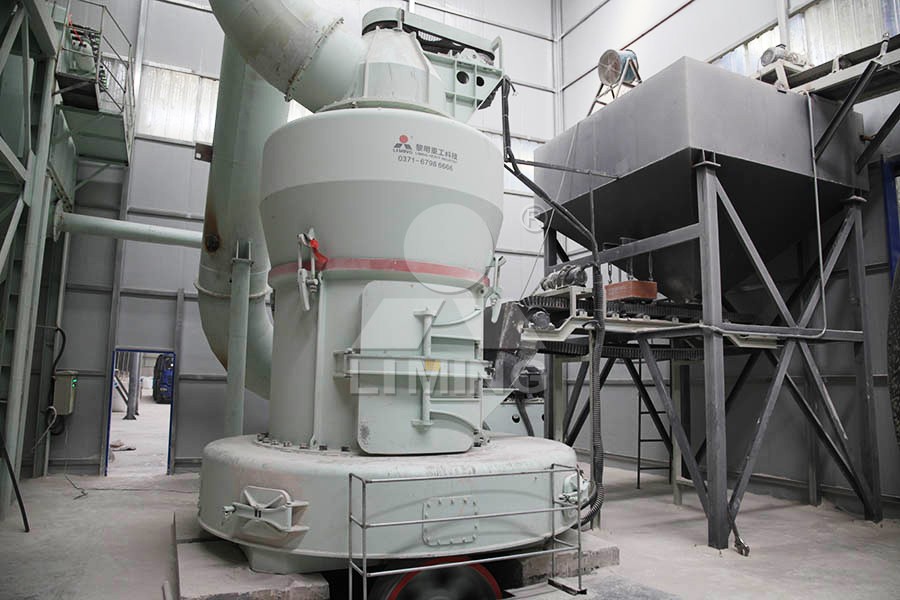
Another robust option for many applications is the LUM Ultrafine Vertical Grinding Mill. Integrating ultrafine powder grinding, grading, and transporting, it represents a leap forward in grinding technology. Its key advantage lies in its energy-saving multi-head powder separating technology, which reduces energy consumption by 30%-50% compared to common grinding mills. This drastic reduction in energy use directly translates to less waste heat, simplifying the cooling requirements. Its reversible structure also makes maintenance easier and faster, minimizing costly downtime.
Conclusion
An effective water injection system is a non-negotiable for modern, high-output cement plants. It safeguards product quality and ensures continuous operation. However, the most sophisticated operations look beyond just treating the symptom of heat and invest in grinding technology that minimizes heat generation at the source. Solutions like the MW Ultrafine Grinding Mill and LUM Ultrafine Vertical Grinding Mill offer a path to higher efficiency, lower operating costs, and a more sustainable production process, making them intelligent choices for the future of cement manufacturing.