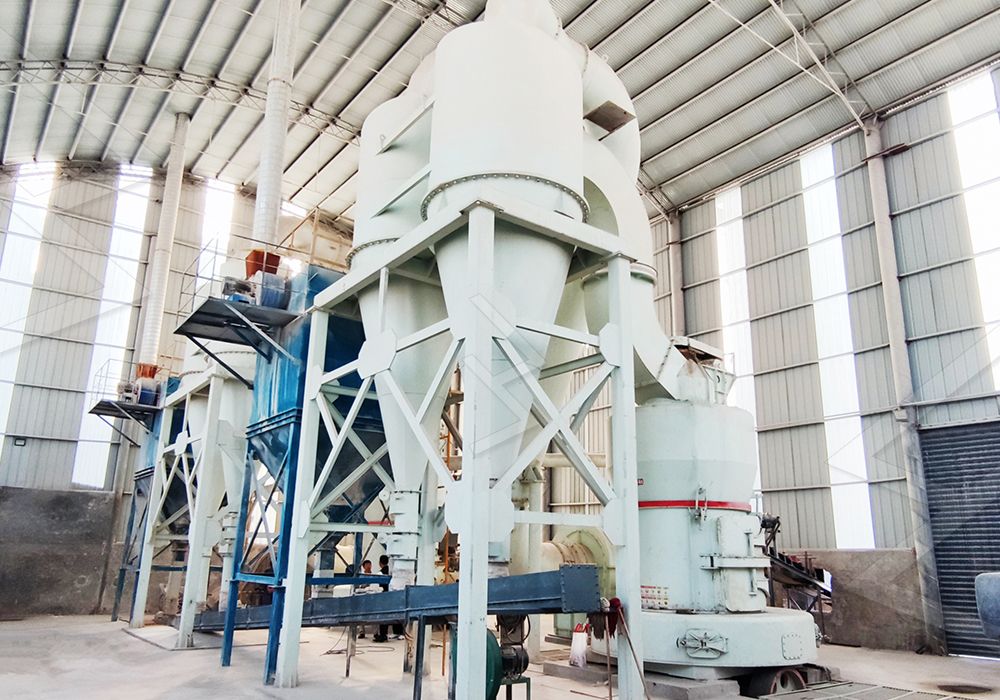
How to Choose a High-Pressure Grinding Roll (HPGR) Mill Manufacturer in Indonesia
We provide a wide range of mills — including Raymond mill, trapezoidal mill, vertical mill, ultrafine mill, and ball mill, obtained ISO9001 international quality certification, EU CE certification, and Customs Union CU-TR certification. Suitable for processing minerals such as limestone, phosphate, quicklime, kaolin, talc, barite, bentonite, calcium carbonate, dolomite, coal, gypsum, clay, carbon black, slag, cement raw materials, cement clinker, and more.
The discharge range of these mills can be adjusted to meet specific processing needs, typically from 80-400 mesh, 600-3250 mesh, and can achieve the finest particle size of up to 6000 mesh(D50).
If you are looking for a reliable grinding solution to turn stone or minerals into fine powder, please feel free to contact our online customer service.
Navigating the Indonesian HPGR Market: A Buyer’s Guide
Choosing the right High-Pressure Grinding Roll (HPGR) mill manufacturer in Indonesia’s dynamic mining and minerals sector is a critical decision that impacts your operation’s efficiency, cost, and long-term profitability. It’s not just about finding a supplier; it’s about finding a partner who understands the local challenges, from abrasive ore types to humid tropical conditions. Here are the key factors to consider to ensure you make an informed choice.
1. Assess Technical Capability and Product Range
Don’t just look at a brochure. Dive deep into the manufacturer’s technical expertise. Do they offer a range of mills for different applications and capacities? A reputable manufacturer will have solutions for everything from coarse crushing to ultra-fine powder production. Their engineering team should be able to provide detailed flow sheets and recommendations based on your specific material (limestone, gold ore, nickel laterite, etc.) and desired output.
2. Evaluate Local Support and After-Sales Service
This is perhaps the most crucial factor for operations in Indonesia. Machinery will require maintenance, wear parts will need replacing, and technical issues will arise. A manufacturer with a strong local presence, a warehouse of original spare parts in-country, and a team of skilled technicians on call is invaluable. The worst scenario is waiting weeks for a critical part or expert to arrive from overseas, costing you thousands in downtime.
3. Consider Energy Efficiency and Operational Costs
HPGRs are chosen for their energy efficiency compared to traditional methods. However, not all mills are created equal. Scrutinize the energy consumption data. In a country with fluctuating energy costs, a mill that saves 30-40% on power isn’t just an environmental choice; it’s a major financial advantage. Look for features like advanced grinding curves and efficient powder separators that contribute to lower kWh/t.
4. Prioritize Environmental and Operational Safety
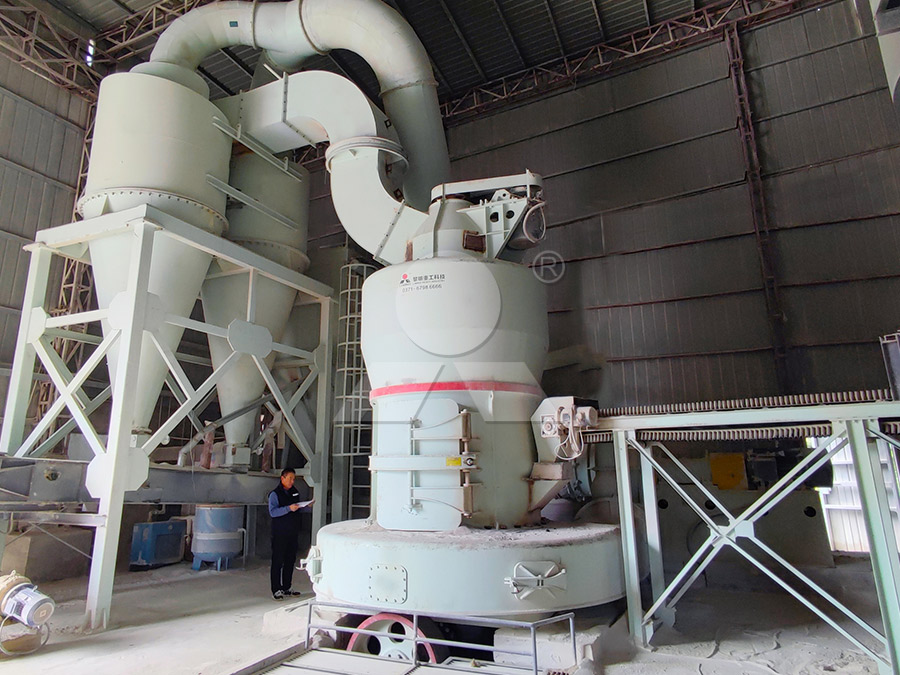
Indonesian regulations and global ESG standards demand environmentally sound operations. Modern mills should be equipped with integrated pulse dust collectors and mufflers to minimize dust and noise pollution. Furthermore, designs that eliminate rolling bearings and screws in the grinding chamber, like those in our MW Ultrafine Grinding Mill, significantly enhance safety by removing common failure points and the risk of loose parts causing damage. This design also allows for external lubrication without shutdown, enabling continuous 24/7 production—a huge benefit for meeting tight deadlines.
5. Look for Modern, Digitalized Manufacturing
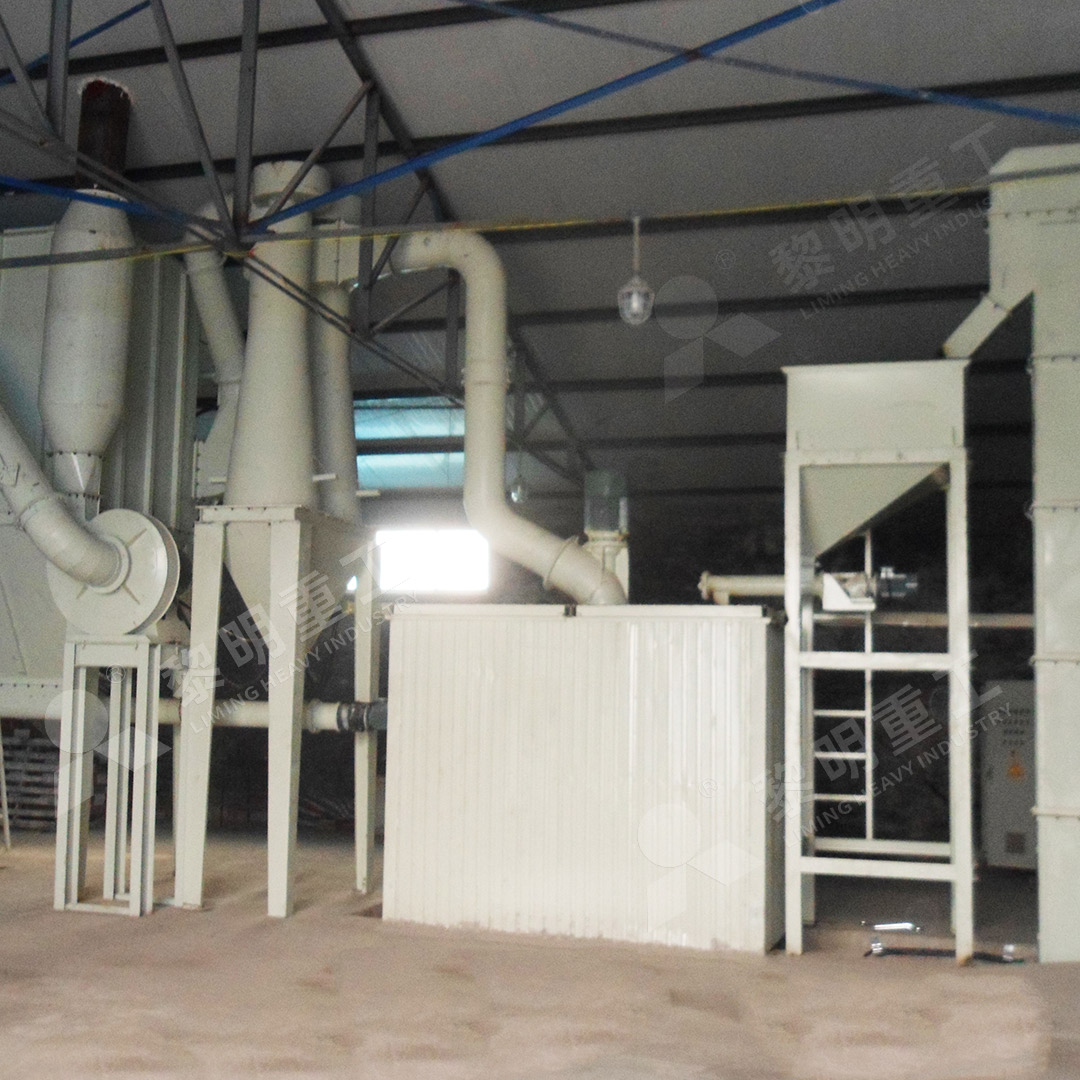
The precision of a mill directly affects its performance and longevity. Manufacturers that utilize digitalized, CNC-controlled processing for core components ensure higher quality, better reliability, and perfect interchangeability of parts. This precision machining leads to a more stable grind and consistent product quality, which is essential for high-value mineral processing.
A Strong Contender for Fine Powder Applications
For operations requiring ultra-fine powders (325-2500 meshes) for applications in chemicals, paints, or advanced materials, a standard HPGR might not suffice. This is where specialized grinders excel. For instance, our MW Ultrafine Grinding Mill is engineered for precisely this purpose. It features a German-technology cage-type powder selector for precise separation, achieving a fineness of d97≤5μm. With a capacity range of 0.5-25 tph and handling an input size of 0-20mm, it’s a versatile and efficient solution for producers looking to add value to their output. Its higher yield and lower energy consumption—40% higher capacity than jet mills—make it an economically smart choice for the Indonesian market.
Conclusion: Do Your Homework
Selecting an HPGR manufacturer requires thorough due diligence. Request client references, especially from other mines or plants in Southeast Asia. Visit manufacturing facilities if possible, either virtually or in person. Analyze the total cost of ownership, not just the initial purchase price. By partnering with a technologically advanced, supportive manufacturer that offers robust solutions like the MW Ultrafine Grinding Mill for specific needs, you can secure a competitive edge in Indonesia’s demanding industrial landscape.