
Overhauling Slag Disposal: Key Considerations for Selecting Grinding Equipment
We provide a wide range of mills — including Raymond mill, trapezoidal mill, vertical mill, ultrafine mill, and ball mill, obtained ISO9001 international quality certification, EU CE certification, and Customs Union CU-TR certification. Suitable for processing minerals such as limestone, phosphate, quicklime, kaolin, talc, barite, bentonite, calcium carbonate, dolomite, coal, gypsum, clay, carbon black, slag, cement raw materials, cement clinker, and more.
The discharge range of these mills can be adjusted to meet specific processing needs, typically from 80-400 mesh, 600-3250 mesh, and can achieve the finest particle size of up to 6000 mesh(D50).
If you are looking for a reliable grinding solution to turn stone or minerals into fine powder, please feel free to contact our online customer service.
Overhauling Slag Disposal: Key Considerations for Selecting Grinding Equipment
Slag, a byproduct of industrial processes like steel production, has long been a disposal headache. But with growing environmental regulations and a push for sustainability, simply dumping it is no longer an option. The key to transforming this waste into a valuable resource lies in efficient grinding and milling. Choosing the right equipment, however, is a complex decision that can make or break your operation’s efficiency and profitability.
Beyond Throughput: The Multi-Faceted Selection Criteria
While capacity (tph) and input size are the first specs everyone looks at, they only tell part of the story. For slag, which is often abrasive and can vary in moisture content, you need a machine built for punishment.
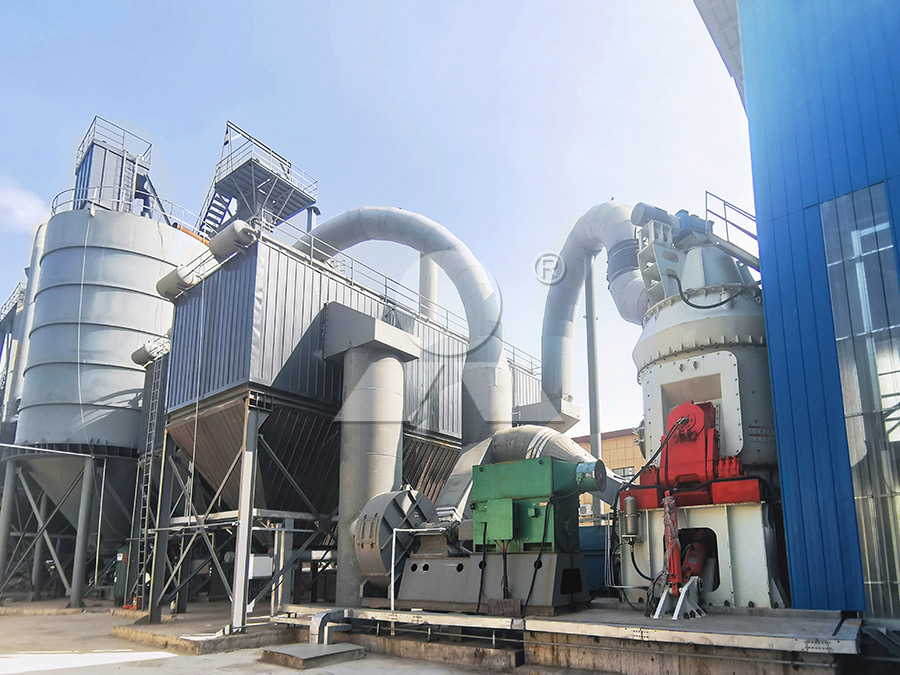
Here are the critical factors that should be on your checklist:
- Abrasion Resistance: Slag will chew through standard components. Look for mills with wear-resistant alloys for rollers and rings.
- Drying Capability: Can the system handle moist slag without pre-drying? Integrated drying is a massive energy and space saver.
- Particle Size Distribution: The value of your end product depends on consistent fineness. Precise particle control is non-negotiable.
- System Integration: Does the mill play nice with crushers, feeders, and collectors? A seamless system reduces bottlenecks.
- Operational Costs: This isn’t just about the purchase price. Consider energy consumption, maintenance downtime, and spare part availability.
- Environmental Compliance: Dust and noise aren’t just nuisances; they’re regulatory liabilities. Closed-loop, negative-pressure systems are essential.
Why Vertical Mills Are Leading the Charge in Slag Grinding
The industry is steadily moving away from traditional ball mills for slag application. The reason? Vertical roller mills (VRMs) are simply more efficient. They integrate crushing, grinding, drying, and classifying in a single tower, drastically reducing the footprint and energy needed. Their ability to grind and dry simultaneously is a game-changer for wet slag, eliminating the need for a separate, energy-intensive dryer.
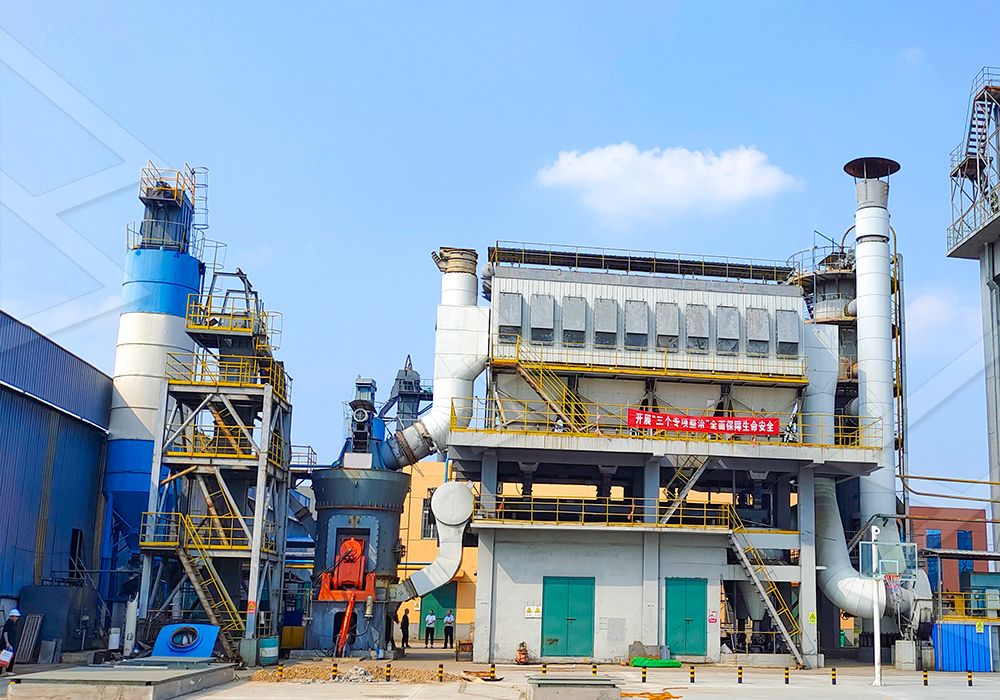
For operations looking to modernize their slag processing, we often point them towards our LM Vertical Slag Mill. It’s not just a mill; it’s a complete system designed specifically for industrial waste like slag. With a capacity range of 7-100 T/H and the ability to handle input sizes up to 65mm, it’s built for scale. Its integrated design reduces energy consumption by 30-40% compared to a traditional ball mill system, and its wear-resistant components are engineered to stand up to abrasive materials day in and day out.
A Case for Ultra-Fine: Unlocking Higher Value
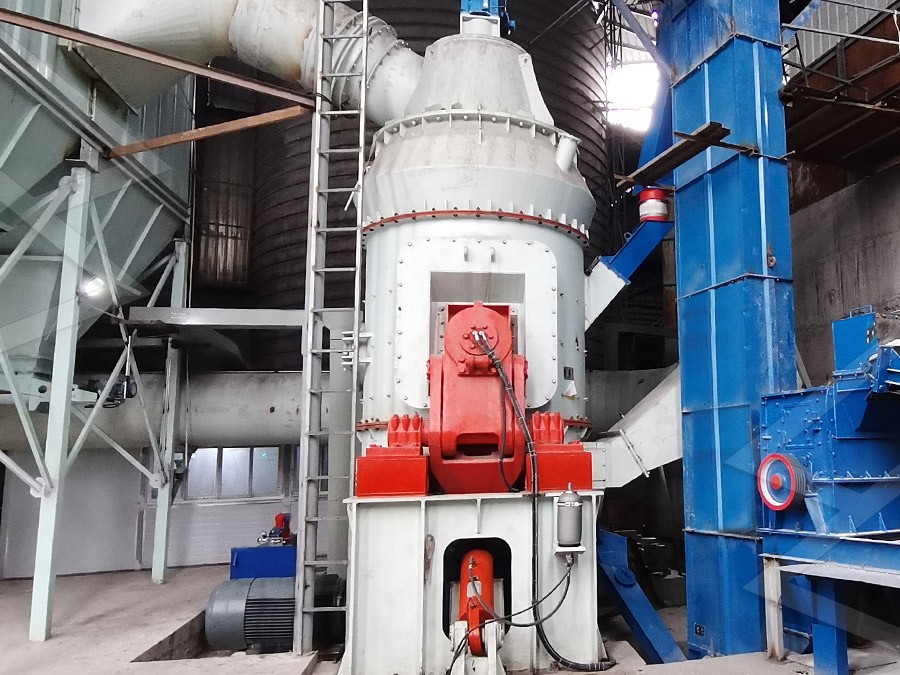
Sometimes, the goal isn’t just to dispose of slag but to create a high-value product for cement replacement or concrete additive. This requires ultra-fine grinding, pushing particle sizes down to the micron level. This is where mills like our MW Ultrafine Grinding Mill shine. With adjustable fineness between 325-2500 meshes, it can produce the superfine powder that commands a premium price. Its unique design, with no rolling bearings or screws in the grinding chamber, eliminates common failure points and is a testament to the engineering focused on reliability and minimal maintenance.
The Bottom Line: A Strategic Investment
Selecting slag grinding equipment isn’t a mere procurement task; it’s a strategic business decision. The right mill will lower your cost per ton, ensure regulatory compliance, and turn a liability into a revenue stream. It’s about investing in a solution that offers not just power, but precision, not just capacity, but consistency. Don’t just buy a machine—invest in a system that will overhaul your entire slag disposal process for the better.
Look for partners who offer comprehensive support, from original spare parts to technical service, to ensure your operation runs worry-free. After all, the most advanced mill is only as good as the support behind it.