
Competitive Analysis of the Dolomite Powder Grinding Mill Market
We provide a wide range of mills — including Raymond mill, trapezoidal mill, vertical mill, ultrafine mill, and ball mill, obtained ISO9001 international quality certification, EU CE certification, and Customs Union CU-TR certification. Suitable for processing minerals such as limestone, phosphate, quicklime, kaolin, talc, barite, bentonite, calcium carbonate, dolomite, coal, gypsum, clay, carbon black, slag, cement raw materials, cement clinker, and more.
The discharge range of these mills can be adjusted to meet specific processing needs, typically from 80-400 mesh, 600-3250 mesh, and can achieve the finest particle size of up to 6000 mesh(D50).
If you are looking for a reliable grinding solution to turn stone or minerals into fine powder, please feel free to contact our online customer service.
Competitive Analysis of the Dolomite Powder Grinding Mill Market
The global dolomite powder market is experiencing steady growth, driven by demand from construction, agriculture, plastics, and ceramics industries. As a key raw material, the quality of dolomite powder directly impacts final product performance, making the choice of grinding mill equipment a critical decision for producers. This analysis examines the competitive landscape of grinding technologies suitable for dolomite processing.
Market Overview and Key Requirements
Dolomite grinding presents unique challenges due to its moderate hardness (3.5-4 Mohs) and variable silica content. Producers seek equipment that delivers consistent particle size distribution between 200-2500 mesh, high throughput capacity, low energy consumption, and minimal contamination. Environmental regulations increasingly mandate dust-free operations and noise control, adding another layer of complexity to equipment selection.
Technology Comparison
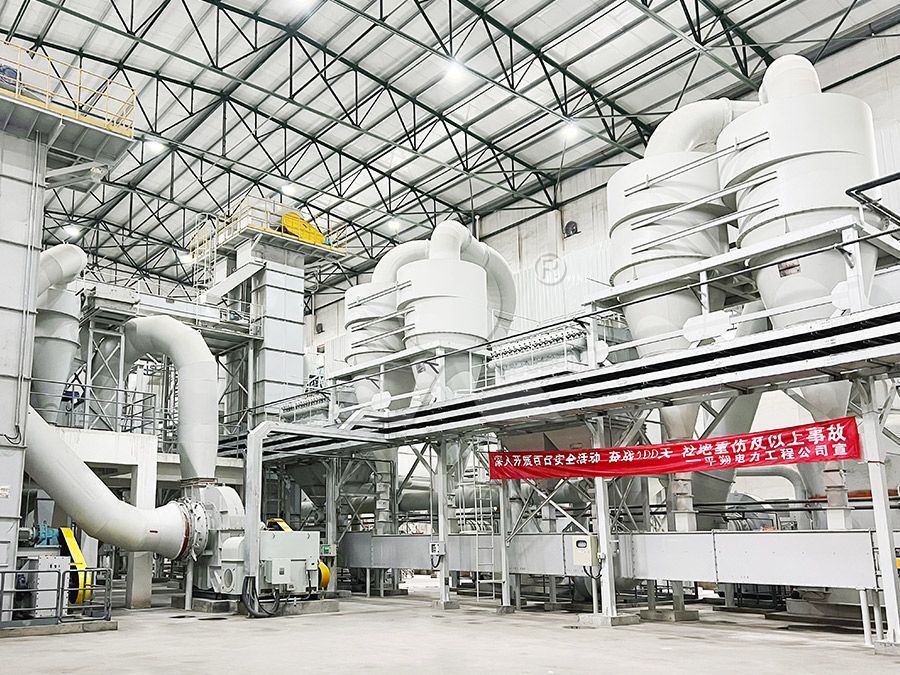
The market offers various grinding technologies, each with distinct advantages. Traditional ball mills, while cost-effective initially, suffer from high energy consumption (typically 30-50% higher than advanced mills) and limited ability to produce ultra-fine powders. Raymond mills offer improved efficiency for coarser applications but struggle to achieve consistent results below 400 mesh without significant modifications.
European-style trapezium mills have gained popularity for mid-range applications, offering better energy efficiency than traditional options. However, for producers targeting the high-value ultra-fine dolomite powder market (800-2500 mesh), more advanced technologies are necessary to remain competitive.
Specialized Solutions for Dolomite
Among specialized solutions, our MW Ultrafine Grinding Mill stands out for dolomite applications. With an input size of 0-20 mm and capacity ranging from 0.5-25 tph, this system is specifically engineered for ultra-fine powder production. The mill features several technological advantages including higher yielding with lower energy consumption – achieving 40% higher capacity than jet mills and double the output of ball mills with only 30% of the energy consumption of jet grinding systems.
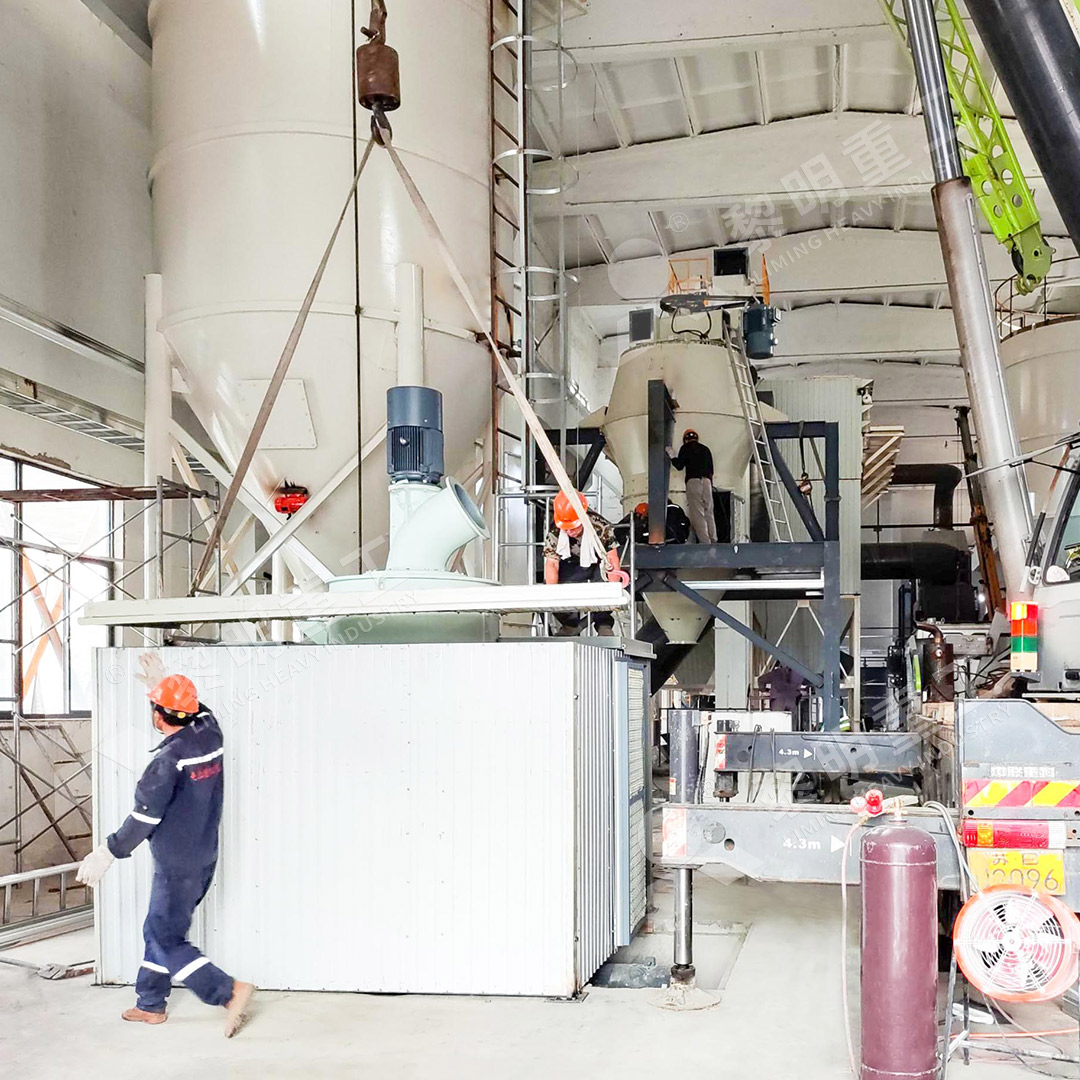
The MW series offers adjustable fineness between 325-2500 meshes through its German-designed cage-type powder selector, ensuring precise particle size control. Its unique design eliminates rolling bearings and screws in the grinding chamber, significantly reducing maintenance concerns and preventing machine damage from loose components. For dolomite specifically, this means consistent quality without iron contamination, a critical factor for many applications.
Environmental and Operational Considerations
Modern grinding operations must address environmental concerns comprehensively. The MW Ultrafine Grinding Mill incorporates efficient pulse dust collection and muffler systems that reduce both dust pollution and operational noise, ensuring compliance with stringent environmental standards. The external lubrication system allows for maintenance without shutdowns, enabling continuous 24/7 production that maximizes ROI.
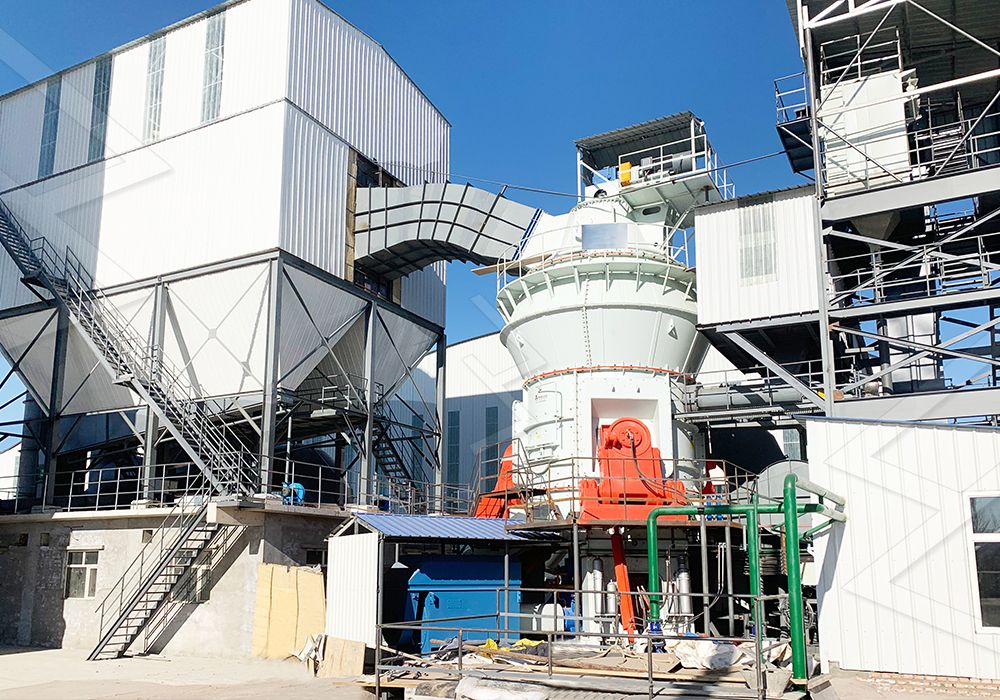
For operations requiring even higher precision and advanced control systems, our LUM Ultrafine Vertical Grinding Mill presents another excellent option. With input size of 0-10 mm and capacity of 5-18 tph, it incorporates the latest Taiwanese grinding roller technology and German powder separating technology, offering exceptional control over product characteristics.
Conclusion
The dolomite grinding mill market continues to evolve toward more efficient, environmentally friendly solutions. Producers seeking competitive advantage should prioritize technologies that offer energy efficiency, precise particle control, low maintenance requirements, and environmental compliance. Our MW and LUM series grinding mills represent the forefront of this evolution, delivering the performance characteristics necessary to excel in today’s competitive dolomite powder market.