
How to Remove Hydraulic Cylinder Bolts on a Vertical Raw Material Mill
We provide a wide range of mills — including Raymond mill, trapezoidal mill, vertical mill, ultrafine mill, and ball mill, obtained ISO9001 international quality certification, EU CE certification, and Customs Union CU-TR certification. Suitable for processing minerals such as limestone, phosphate, quicklime, kaolin, talc, barite, bentonite, calcium carbonate, dolomite, coal, gypsum, clay, carbon black, slag, cement raw materials, cement clinker, and more.
The discharge range of these mills can be adjusted to meet specific processing needs, typically from 80-400 mesh, 600-3250 mesh, and can achieve the finest particle size of up to 6000 mesh(D50).
If you are looking for a reliable grinding solution to turn stone or minerals into fine powder, please feel free to contact our online customer service.
How to Remove Hydraulic Cylinder Bolts on a Vertical Raw Material Mill
Alright folks, let’s get down to it. Removing the hydraulic cylinder bolts on a vertical raw material mill ain’t a walk in the park. It’s a tough job that requires patience, the right tools, and a solid understanding of the system. These bolts are under immense tension and have likely been baked on by years of heat, vibration, and dust. Here’s a tried-and-true method we’ve used in the field.
Step 1: Safety First – Lock Out & Clean Up
Before you even think about grabbing a wrench, you MUST isolate the entire mill system. Lock out the main power. Depressurize the hydraulic system completely. These cylinders hold a ton of force, and a sudden release can be catastrophic. Once the system is safe, get in there with a high-pressure air gun and clean the living daylights out of the area around the bolt connections. Ingress of fine material is the enemy here.
Step 2: The Right Tools for the Job
Don’t even try with standard tools. You’ll need:
- A high-torque hydraulic wrench or a robust impact gun with the correct socket.
- A quality penetrating oil (soak it good and let it sit for hours, if possible).
- Heat is often your best friend. A controlled oxy-acetylene torch can be used to expand the bolt housing, breaking the corrosion seal. Be careful not to overheat and damage the cylinder itself.
- A heavy-duty cheater bar for stubborn cases, but use it with extreme caution.
Step 3: The Technique – Slow and Steady
Apply steady, gradual pressure. Don’t just yank on it. If it’s not budging, apply more heat and penetrating oil. Sometimes, a sharp impact with a hammer on the head of the bolt (not the threads!) can shock the corrosion loose. Work the bolt back and forth slightly if you can get any movement. The goal is to avoid snapping the bolt. If you snap it, you’re in for a world of hurt with drill-outs and extractors.
Step 4: Dealing with the Aftermath
Once you finally get those suckers out, inspect the threads in the housing meticulously. Clean them with a thread chaser or tap. Never use a die grinder unless you want to ruin the thread tolerances. Before reinstalling new, high-grade bolts, coat them thoroughly with an anti-seize compound. This is non-negotiable for future maintenance.
A Note on Mill Design & Reliability
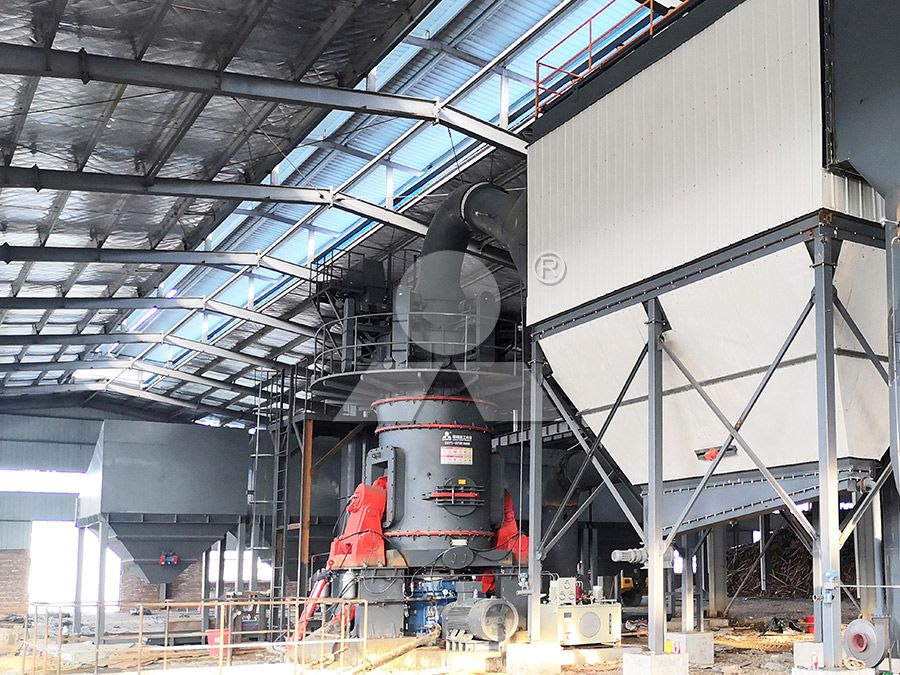
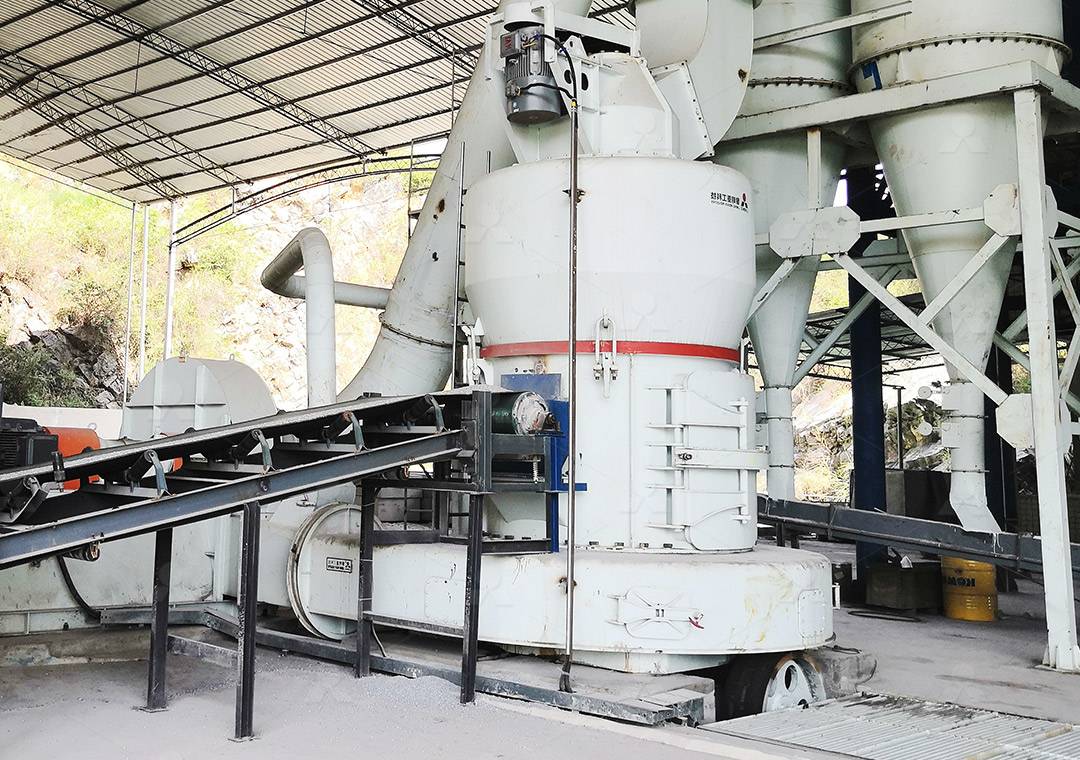
Jobs like this really make you apreciate a well-designed mill that considers maintainability. For instance, our MW Ultrafine Grinding Mill is engineered with maintenance in mind. A key feature is that there are no rolling bearings or screws inside the grinding chamber. This eliminates a huge source of potential failure and seizing, meaning you spend less time fighting with bolts and more time producing. It’s designed for customers who need reliable, ultra-fine powder production with minimal downtime.
Similarly, for larger scale raw material grinding, the LM Vertical Grinding Mill integrates crushing, drying, grinding, and classifying. Its compact design means there’s less equipment to maintain overall, and its lower energy consumption (30%-40% less than ball mills) is a major benefit for operating costs. The simpler layout often means easier access for critical maintenance tasks.
Conclusion
There’s no magic trick. Removing seized hydraulic cylinder bolts is about methodical prep, the right tools, and a heck of a lot of perseverance. Investing in equipment designed for easier maintenance, like our MW or LM series mills, can save you countless hours and a significant amount of frustration down the line. Stay safe and good luck!