
Market Positioning Strategy for Mica Powder Production: A Guide for Industrial Suppliers
We provide a wide range of mills — including Raymond mill, trapezoidal mill, vertical mill, ultrafine mill, and ball mill, obtained ISO9001 international quality certification, EU CE certification, and Customs Union CU-TR certification. Suitable for processing minerals such as limestone, phosphate, quicklime, kaolin, talc, barite, bentonite, calcium carbonate, dolomite, coal, gypsum, clay, carbon black, slag, cement raw materials, cement clinker, and more.
The discharge range of these mills can be adjusted to meet specific processing needs, typically from 80-400 mesh, 600-3250 mesh, and can achieve the finest particle size of up to 6000 mesh(D50).
If you are looking for a reliable grinding solution to turn stone or minerals into fine powder, please feel free to contact our online customer service.
Navigating the Competitive Landscape of Industrial Mica Grinding
The industrial minerals sector, particularly mica powder production, is a fiercely competitive arena. Success hinges not just on product quality, but on a clearly defined market positioning strategy that differentiates your offerings and communicates unique value to a discerning B2B clientele. For suppliers, this means moving beyond being a simple equipment vendor to becoming a strategic partner that enables profitability, efficiency, and sustainability for your customers.
Core Pillars of Effective Market Positioning
An effective strategy is built on three core pillars: Application Expertise, Operational Efficiency, and Environmental Stewardship. Buyers aren’t just purchasing a mill; they are investing in a solution to their production challenges. They seek equipment that delivers consistent ultra-fine powder quality for critical applications in plastics, paints, cosmetics, and electronics, all while minimizing their operational overhead and environmental footprint.
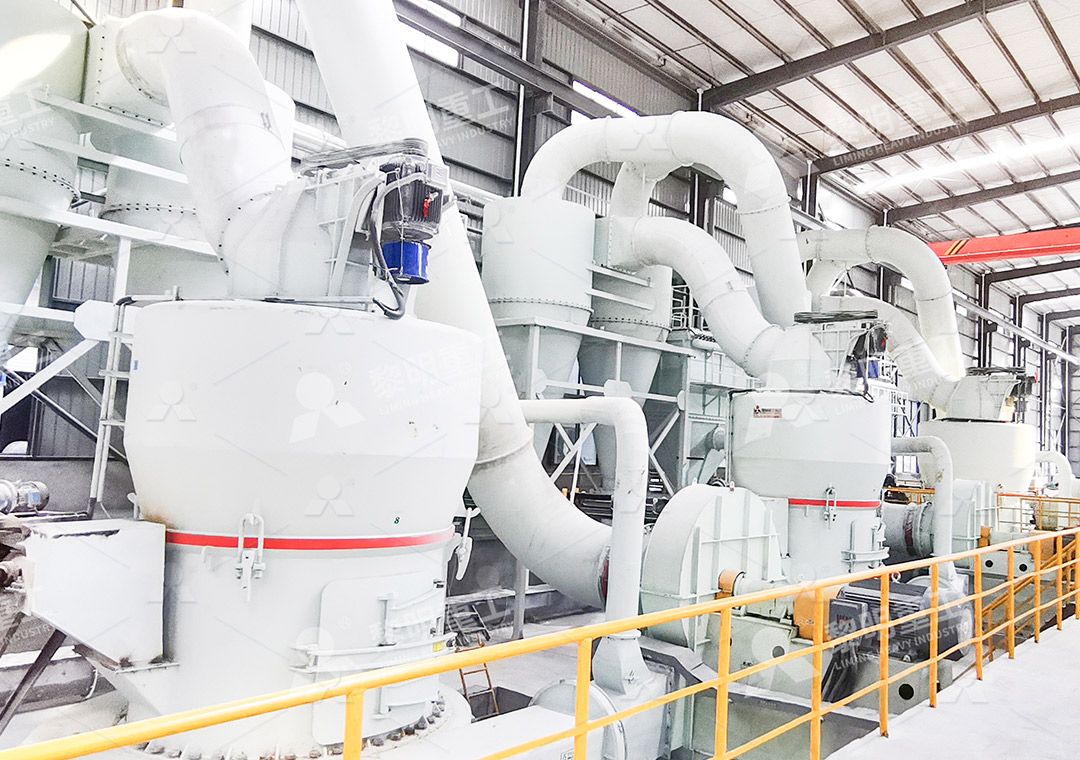
This is where technological superiority becomes your greatest marketing asset. For instance, mills equipped with advanced German powder separating technology allow for precise fineness adjustment between 325-2500 meshes. This capability is a massive value proposition for customers who supply multiple industries and need one machine to produce various product grades, ensuring a high sieving rate of d97≤5μm in a single pass. It directly translates to versatility and expanded revenue streams for them.
Recommendation: The MW Ultrafine Grinding Mill
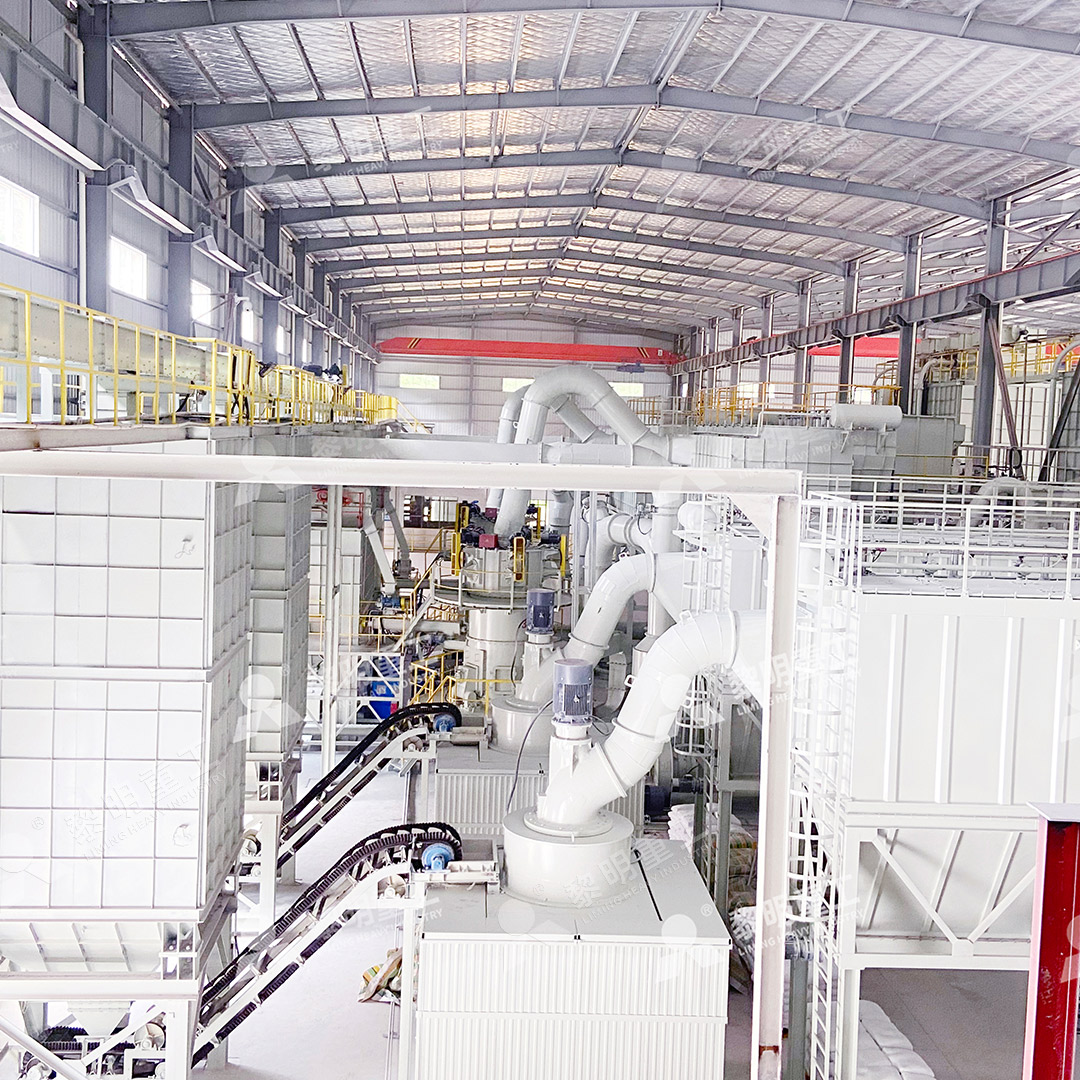
For suppliers targeting high-purity mica production, highlighting a machine like the MW Ultrafine Grinding Mill is a strategic move. Its design adresses key pain points. With an input size of 0-20 mm and a capacity range of 0.5-25 tph, it’s versatile for various operation scales. A critical differentiator is its internal design: the absence of rolling bearings and screws in the grinding chamber elimnates frequent maintenance headaches and machine damage from loose parts. Furthermore, its efficient pulse dust collector and muffler system directly speak to the growing demand for eco-friendly, compliant manufacturing processes, reducing both dust and noise pollution.
Communicating Value Beyond the Spec Sheet
Your positioning must articulate the tangible benefits. Don’t just say “higher yielding”; quantify it. Promote that with the same fineness and power, production capacity is 40% higher than jet mills, and system energy consumption is only 30%. This speaks the language of plant managers focused on CAPEX and OPEX. Emphasize features like external lubrication that allows for 24/7 operation without shutdowns, maximizing uptime and profitability for your clients. Position your technical support and guaranteed supply of original spare parts not as an afterthought, but as a core component of your value proposition—ensuring worry-free operation and protecting their investment long-term.
Targeting the Right Segments
Your messaging should be tailored. For the cosmetics and food additive industries, emphasize the powder’s purity, whiteness, and low iron content achieved through designs that minimize mechanical wear. For large-scale construction material producers, lead with the massive capacity (e.g., 3-340 tph from a vertical mill) and superior energy savings of up to 40-50% compared to traditional ball mills. For all segments, the message of digitalized processing for higher machine precision and consistent output quality reinforces a position of technological leadership and reliability.
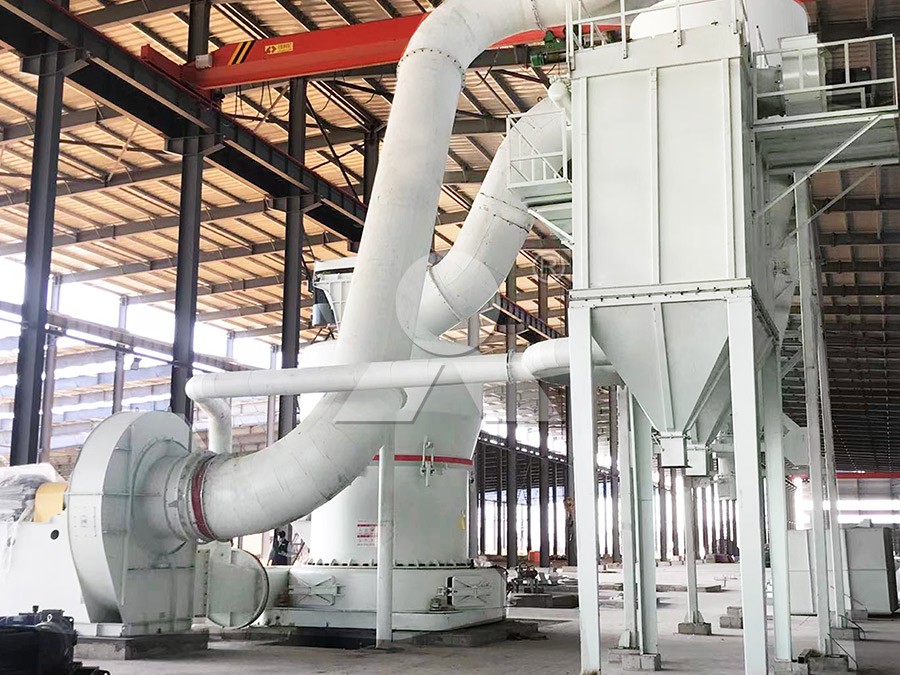
In conclusion, a winning market positioning strategy for mica powder production equipment is built on a deep understanding of customer challenges. By championing machinery that delivers unparalleled efficiency, precision, and reliability—like the MW Ultrafine Grinding Mill—and by communicating these advantages in terms of real-world ROI, industrial suppliers can carve out a dominant and profitable position in the market.