
Raymond Mill Installation Diagrams and Operation Manual PDF Download
We provide a wide range of mills — including Raymond mill, trapezoidal mill, vertical mill, ultrafine mill, and ball mill, obtained ISO9001 international quality certification, EU CE certification, and Customs Union CU-TR certification. Suitable for processing minerals such as limestone, phosphate, quicklime, kaolin, talc, barite, bentonite, calcium carbonate, dolomite, coal, gypsum, clay, carbon black, slag, cement raw materials, cement clinker, and more.
The discharge range of these mills can be adjusted to meet specific processing needs, typically from 80-400 mesh, 600-3250 mesh, and can achieve the finest particle size of up to 6000 mesh(D50).
If you are looking for a reliable grinding solution to turn stone or minerals into fine powder, please feel free to contact our online customer service.
Raymond Mill Installation Diagrams and Operation Manual PDF Download
For engineers and plant managers overseeing mineral processing operations, having access to detailed installation diagrams and a comprehensive operation manual is not just a convenience—it’s a necessity for ensuring safety, efficiency, and equipment longevity. Proper installation is the bedrock of optimal Raymond mill performance, directly influencing output quality, maintenance intervals, and operational costs.
Key Components & Pre-Installation Checklist
Before the first bolt is tightened, a thorough site preparation is crucial. The foundation must be able to withstand the dynamic loads and vibrations of the mill during operation. The typical Raymond Mill system comprises several key units: the mainframe, classifier, pipeline system, cyclone collector, jaw crusher (for preliminary size reduction), bucket elevator, and electromagnetic vibrating feeder.
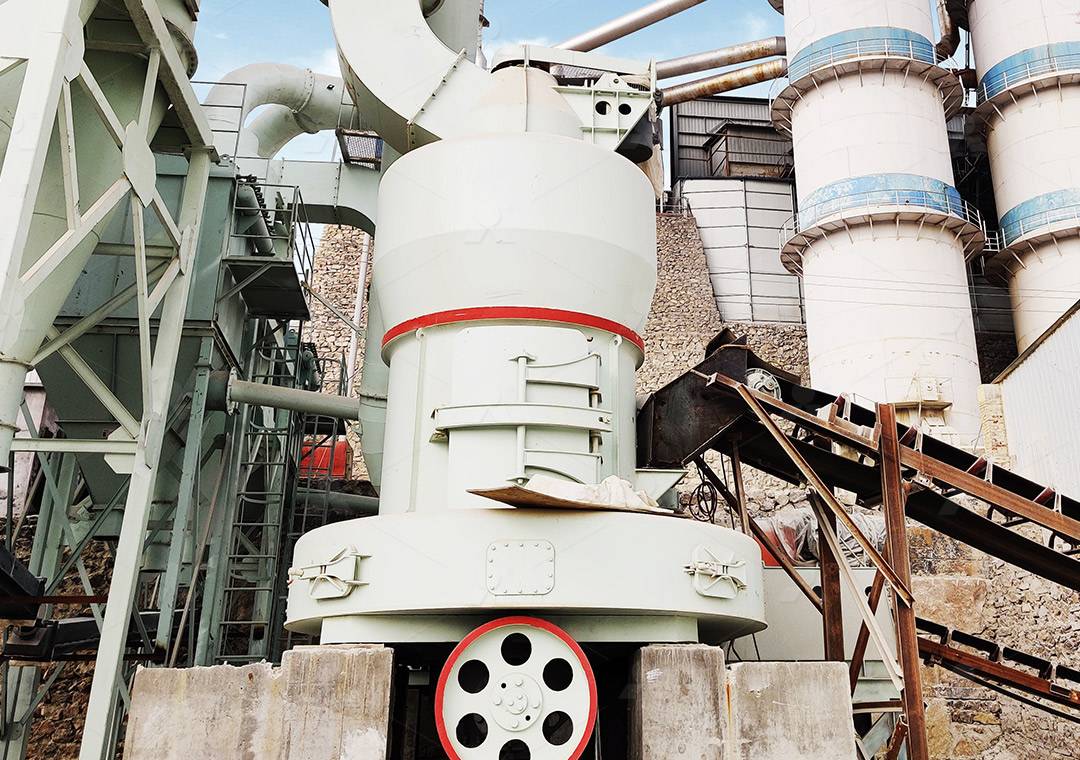
A critical pre-installation step is verifying the foundation’s dimensions and strength against the supplied foundation drawings. All anchor bolts should be checked for alignment. Upon uncrating, inspect all components for any shipping damage. The main components—grinding rollers, grinding ring, blade system—require particular attention.
Step-by-Step Installation Guidance
The installation sequence generally follows this flow:
- Foundation and Mainframe: Erect the mainframe on the foundation, ensuring it is perfectly level and plumb. This is critical to avoid uneven wear on grinding components.
- Grinding Roller Assembly: Install the grinding roller assembly. Ensure the rollers turn freely without obstruction.
- Classifier and Drive System: Mount the classifier on top of the mainframe and connect the main drive motor and reducer, aligning them precisely to prevent premature bearing failure.
- Auxiliary Equipment: Install the jaw crusher, bucket elevator, and storage hopper. Connect the pipeline system between the mill, cyclone collector, and fan, ensuring all connections are airtight to prevent dust leakage.
- Electrical Integration: Wire all motors and the control cabinet according to the electrical schematic diagram.
Operational Best Practices & Troubleshooting
Once installed, starting the mill requires a strict sequence: first, start the cyclone collector and fan, then the main grinding unit, and finally the feeding system. Shutdown follows the reverse order. The operation manual provides critical data on feed size (typically kept below 25mm), moisture content, and grinding pressure adjustments.
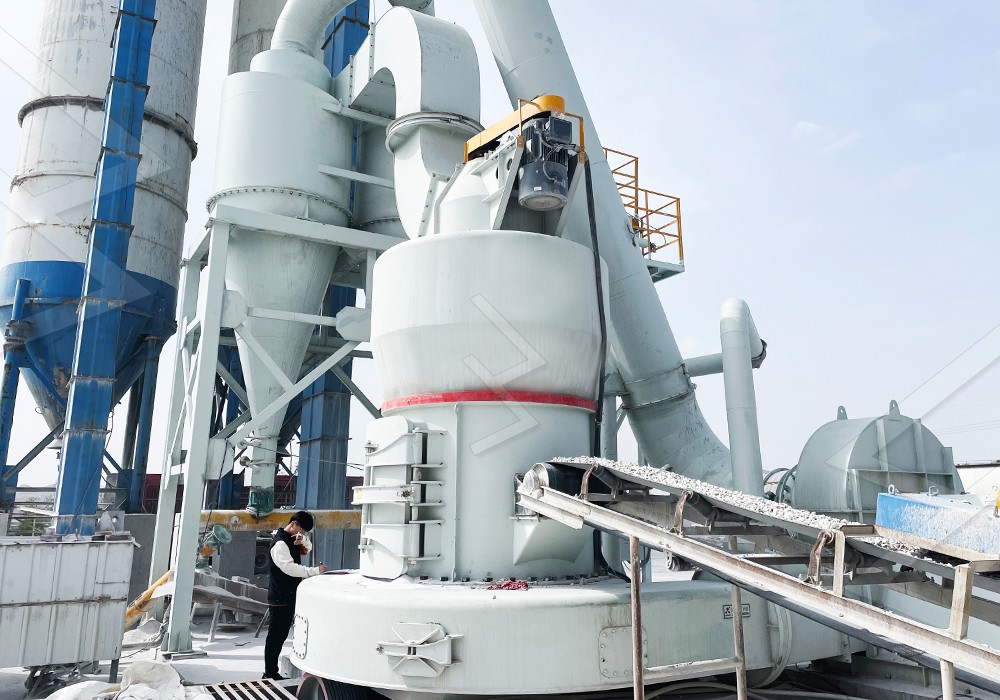
Common operational issues include:
- Low Output: Often caused by a dull grinding ring or rollers, insufficient fan air flow, or a blocked powder classifier.
- Overheating Bearings: Check for inadequate lubrication, improper installation, or overloading.
- Excessive Vibration: Usually indicates unbalanced grinding rollers, worn bearings, or loose foundation bolts.
For operations demanding higher capacity and finer powders beyond the standard Raymond Mill’s capability (0.6-5 tph), we strongly recommend considering our advanced MW Ultrafine Grinding Mill. This machine is a game-changer, capable of producing powders between 325-2500 meshes with a capacity of 0.5-25 tph. Its no-bearing, no-screw design in the grinding chamber eliminates common failure points, and the integrated pulse dust collector ensures environmentally friendly operation. It’s the ideal upgrade for producing high-value ultra-fine powders for chemicals, cosmetics, and advanced materials.
Manual Download & Technical Support
For a deep dive into every nut, bolt, and procedure, we provide a detailed Raymond Mill Installation and Operation Manual PDF for download from our technical support portal. This document includes exploded-view diagrams, torque specifications, lubrication charts, and a full troubleshooting guide.
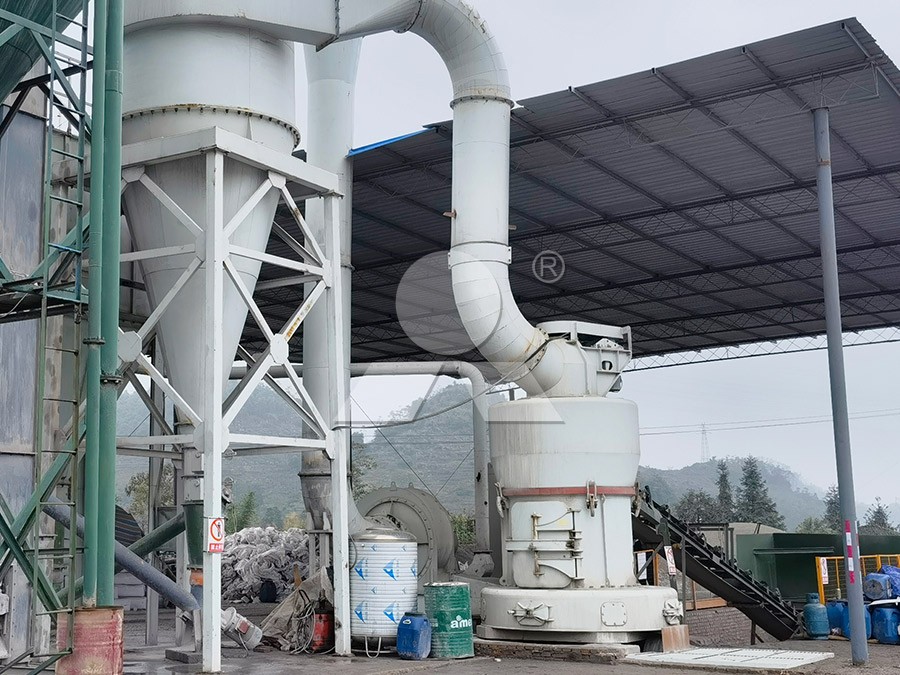
Furthermore, for large-scale industrial projects requiring robust and high-capacity vertical grinding, our LUM Ultrafine Vertical Grinding Mill (5-18 tph) represents the pinnacle of German engineering and Taiwanese roller technology. Its reversible structure allows for incredibly easy maintenance, drastically reducing downtime. Remember, correct installation and diligent operation, supported by the right manual, are your greatest tools for maximizing ROI on your grinding equipment.