
Raymond Mill Installation Diagrams and Manual PDF Download
We provide a wide range of mills — including Raymond mill, trapezoidal mill, vertical mill, ultrafine mill, and ball mill, obtained ISO9001 international quality certification, EU CE certification, and Customs Union CU-TR certification. Suitable for processing minerals such as limestone, phosphate, quicklime, kaolin, talc, barite, bentonite, calcium carbonate, dolomite, coal, gypsum, clay, carbon black, slag, cement raw materials, cement clinker, and more.
The discharge range of these mills can be adjusted to meet specific processing needs, typically from 80-400 mesh, 600-3250 mesh, and can achieve the finest particle size of up to 6000 mesh(D50).
If you are looking for a reliable grinding solution to turn stone or minerals into fine powder, please feel free to contact our online customer service.
Raymond Mill Installation Diagrams and Manual PDF Download
For engineers and plant managers overseeing the setup of new grinding circuits, having access to detailed Raymond Mill installation diagrams and a comprehensive manual is absolutely crucial. A proper installation isn’t just about bolting the machine down; it’s about ensuring optimal alignment, correct utility hookups, and foundational integrity to guarantee years of smooth, high-yield operation. Mistakes during this phase can lead to chronic vibration, premature wear, and significntly reduced efficiency.
Key Components and Installation Sequence
The core assembly of a Raymond mill includes the main frame, grinding roller assembly, classifier, reducer, motor, and piping. The installation must follow a strict sequence, typically starting with the foundation and main frame, ensuring it is perfectly level and anchored to withstand operational forces. Next, the grinding roller assembly, often the heart of the system, must be mounted with precision to ensure clearances are within manufacturer tolerances.
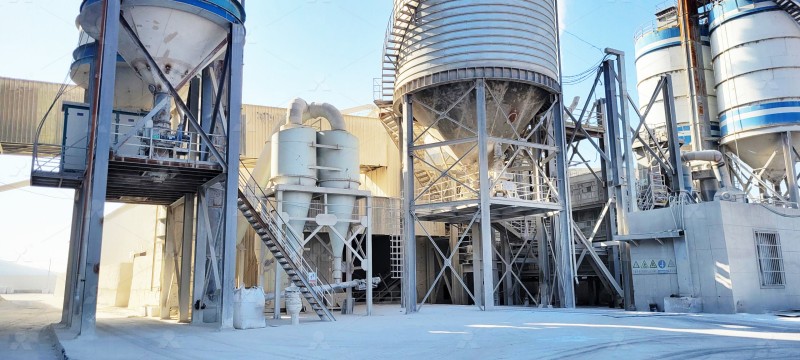
Following this, the transmission system, including the reducer and main motor, is aligned. Misalignment here is a primary cause of excessive noise and bearing failure. The classifier and piping for air and product flow are then installed. Finally, auxiliary equipment like the jaw crusher, elevator, and vibrating feeder are integrated. Each step should be verified against the supplied general arrangement and foundation drawings.
Why a Detailed Manual is Non-Negotiable
Attempting an installation without the factory manual is a recipe for disaster. The manual provides critical data: torque specifications for every bolt, wiring diagrams for the electrical cabinet, lubrication charts specifying grease types and intervals, and, most importantly, step-by-step adjustment procedures. For instance, adjusting the spring pressure on the grinding rollers directly impacts fineness and throughput, a detail only found in the official documentation.
Beyond Traditional Raymond: Modern Grinding Solutions
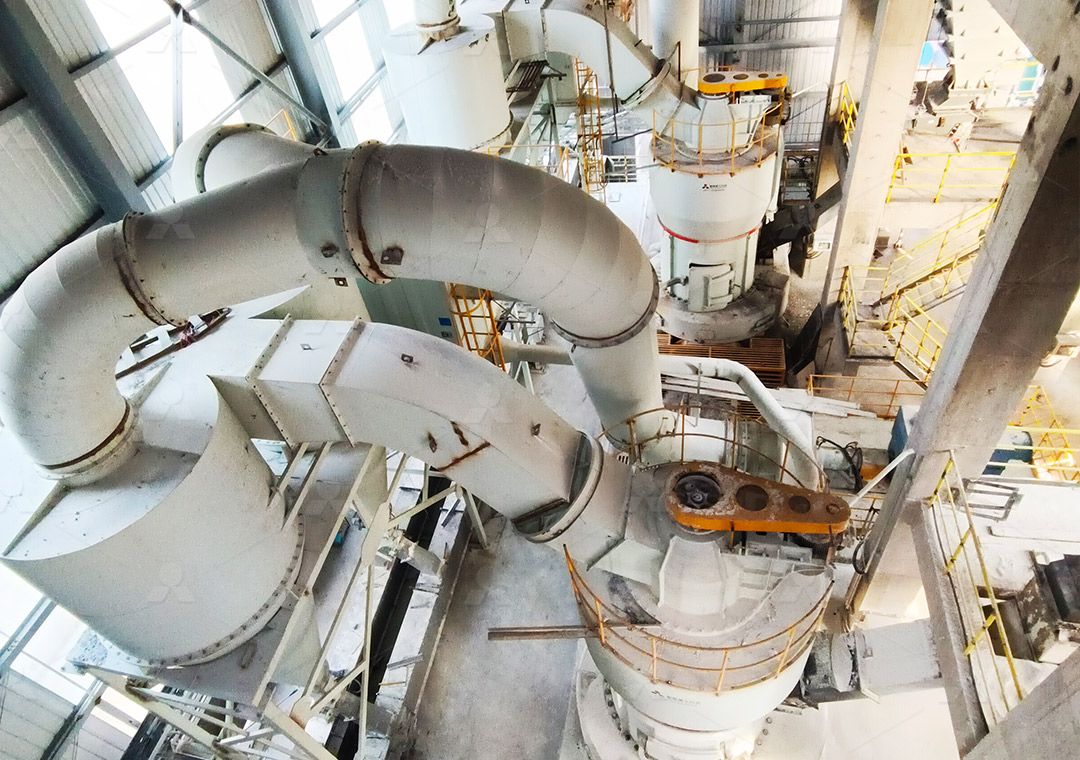
While the traditional Raymond mill is a workhorse for many applications, operations requiring ultra-fine powders with higher capacity should consider advanced alternatives. For these demanding scenarios, we highly recommend our MW Ultrafine Grinding Mill. This machine is engineered for customers who need to make 325-2500 mesh ultra-fine powder efficiently.
The MW series boasts several advantages over conventional designs. It features higher yielding and lower energy consumption, with production capacity 40% higher than jet mills. Its cage-type powder selector, adopting German technologies, ensures precise fineness adjustment. A significant maintenance benefit is the absence of rolling bearings and screws in the grinding chamber, eliminating common failure points. Furthermore, its efficient pulse dust collector and muffler make the entire production process more eco-friendly, reducing both dust and noise pollution.
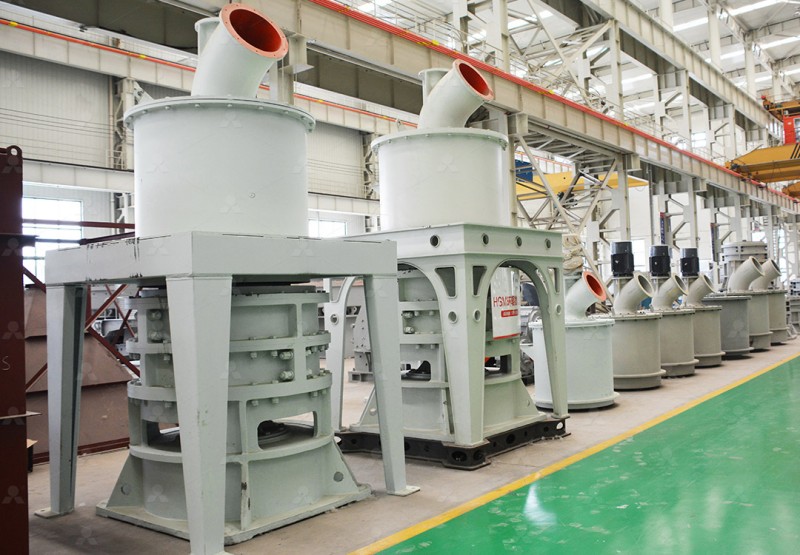
Another exceptional solution for fine and ultra-fine processing is our LUM Ultrafine Vertical Grinding Mill. Integrating grinding, grading, and transporting, the LUM mill represents the pinnacle of grinding technology. It features more energy-saving multi-head powder separating technology and a unique reversible structure that makes maintenance and checking of roller shells remarkably easier, drastically reducing downtime.
Accessing Your Documentation
To download the official installation diagrams and full operator’s manual for your Raymond mill in PDF format, registered users can visit the support section of our website. Ensure you have your machine’s serial number ready to access the correct and most up-to-date technical documents for your specific model. Proper installation, backed by the right resources, sets the stage for maximum productivity and a long equipment lifecycle.