Top 10 South Korea Ball Mill Manufacturers for Industrial Grinding
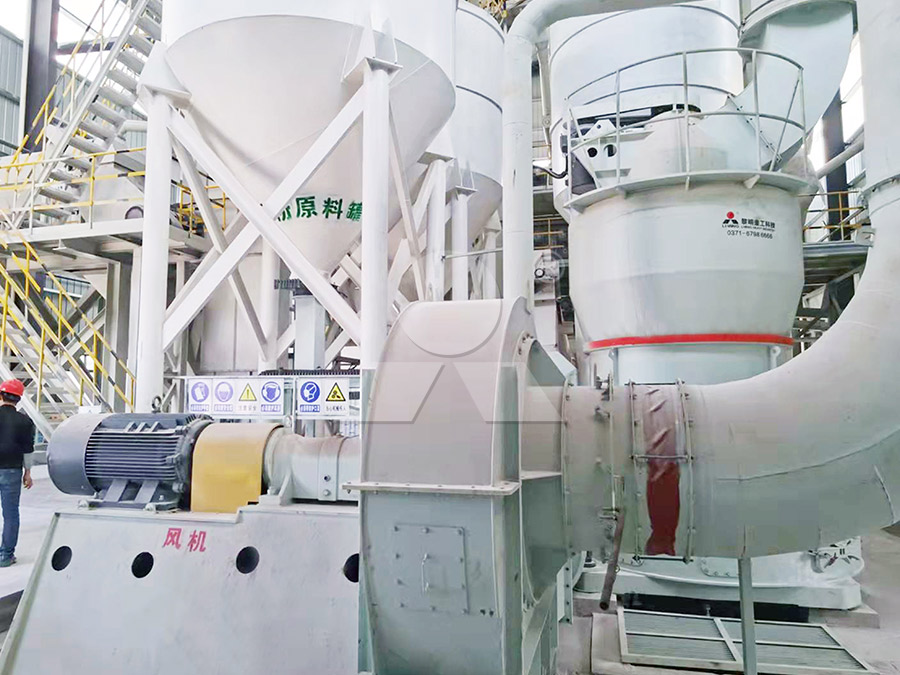
We provide a wide range of mills — including Raymond mill, trapezoidal mill, vertical mill, ultrafine mill, and ball mill, obtained ISO9001 international quality certification, EU CE certification, and Customs Union CU-TR certification. Suitable for processing minerals such as limestone, phosphate, quicklime, kaolin, talc, barite, bentonite, calcium carbonate, dolomite, coal, gypsum, clay, carbon black, slag, cement raw materials, cement clinker, and more.
The discharge range of these mills can be adjusted to meet specific processing needs, typically from 80-400 mesh, 600-3250 mesh, and can achieve the finest particle size of up to 6000 mesh(D50).
If you are looking for a reliable grinding solution to turn stone or minerals into fine powder, please feel free to contact our online customer service.
Top 10 South Korea Ball Mill Manufacturers for Industrial Grinding
South Korea has established itself as a global hub for advanced manufacturing, and its industrial grinding equipment sector is no exception. The country is home to several leading manufacturers producing high-quality ball mills and other grinding machinery that cater to various industries, including mining, cement, chemicals, and pharmaceuticals. These companies are renowned for their innovation, precision engineering, and commitment to sustainability.
When it comes to industrial grinding, ball mills are a cornerstone technology, but advancements in milling equipment have led to the development of more efficient and versatile solutions. While traditional ball mills are widely used, many manufacturers are now integrating advanced technologies to enhance performance, reduce energy consumption, and minimize environmental impact.
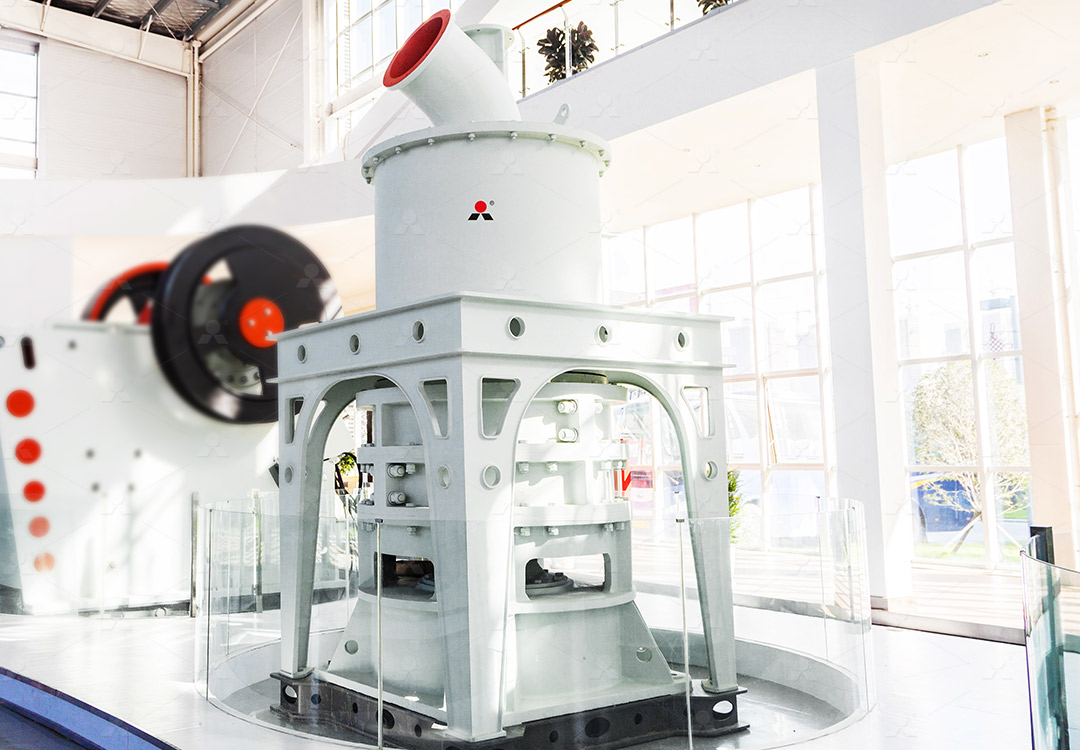
One standout product in this competitive landscape is the MW Ultrafine Grinding Mill. Designed for customers requiring ultra-fine powder production, this machine excels in efficiency and eco-friendliness. With an input size of 0-20 mm and a capacity ranging from 0.5 to 25 tph, it handles materials like limestone, calcite, dolomite, and coal powder with ease. Its features include higher yielding with lower energy consumption—40% higher capacity than jet mills and 30% lower system energy usage. The adjustable fineness between 325-2500 meshes ensures precision, while the absence of rolling bearings and screws in the grinding chamber reduces maintenance worries. Additionally, its pulse dust collector and muffler make operations cleaner and quieter.
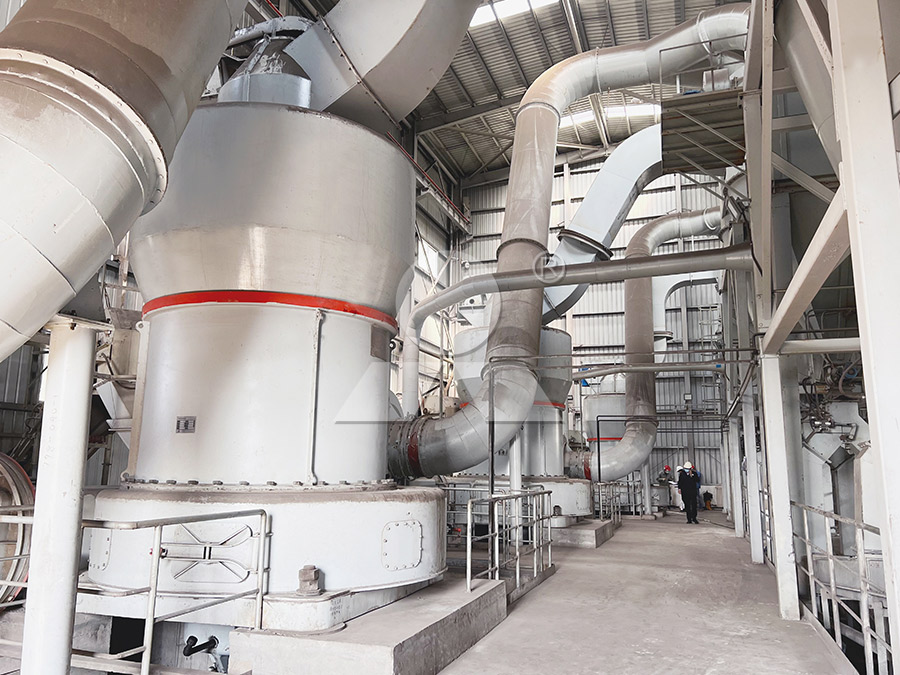
Another notable product is the LUM Ultrafine Vertical Grinding Mill, which offers input sizes up to 10 mm and capacities of 5-18 tph. It incorporates advanced grinding roller and powder separating technologies, providing higher yielding rates and better quality outputs. Its energy-saving multi-head powder separating technology reduces consumption by 30%-50%, and features like double position-limiting technology ensure stable operation. The reversible structure simplifies maintenance, making it a reliable choice for demanding industrial applications.
South Korean manufacturers are also leveraging digitalization and automation to improve precision and operational efficiency. Many employ numerical control machine tools for high-precision parts manufacturing, ensuring durability and performance. Moreover, comprehensive after-sales support, including original spare parts and technical services, is a hallmark of top companies like LIMING, which backs its products with worry-free operation guarantees.
In conclusion, while ball mills remain a popular choice, South Korea’s grinding equipment manufacturers are pushing boundaries with innovative designs like the MW and LUM series. These products not only meet industrial demands for efficiency and fineness but also align with global environmental standards. For businesses seeking reliable grinding solutions, exploring these advanced options from South Korean leaders is a smart move.