
Key Specifications for Zinc Ore Crushing and Milling Particle Size
We provide a wide range of mills — including Raymond mill, trapezoidal mill, vertical mill, ultrafine mill, and ball mill, obtained ISO9001 international quality certification, EU CE certification, and Customs Union CU-TR certification. Suitable for processing minerals such as limestone, phosphate, quicklime, kaolin, talc, barite, bentonite, calcium carbonate, dolomite, coal, gypsum, clay, carbon black, slag, cement raw materials, cement clinker, and more.
The discharge range of these mills can be adjusted to meet specific processing needs, typically from 80-400 mesh, 600-3250 mesh, and can achieve the finest particle size of up to 6000 mesh(D50).
If you are looking for a reliable grinding solution to turn stone or minerals into fine powder, please feel free to contact our online customer service.
Key Specifications for Zinc Ore Crushing and Milling Particle Size
Achieving the optimal particle size in zinc ore processing is a critical factor that directly impacts downstream recovery rates, reagent consumption, and overall operational efficiency. The journey from run-of-mine ore to a finely milled concentrate requires a carefully selected and calibrated suite of equipment. The target particle size for zinc ore flotation typically falls within the range of 45 to 75 microns (200 to 325 mesh), a fineness that liberates the valuable sphalerite from the gangue material without generating excessive slimes.
The Importance of Precise Particle Size Distribution
An inconsistent or poorly controlled grind can be disastrous for a zinc concentrator. Over-grinding, for instance, creates ultra-fine particles that are difficult to recover in the flotation cells, leading to lost revenue. Under-grinding fails to liberate the zinc minerals, resulting in low-grade concentrates and high circulating loads. Therefore, the selection of crushing and milling equipment is paramount. The primary crusher sets the stage, reducing the ore to a manageable 150-250mm. Secondary and tertiary crushing stages further reduce the feed size for the milling circuit to below 20mm, which is a crucial specification for many fine grinding mills.
Milling: The Heart of Liberation
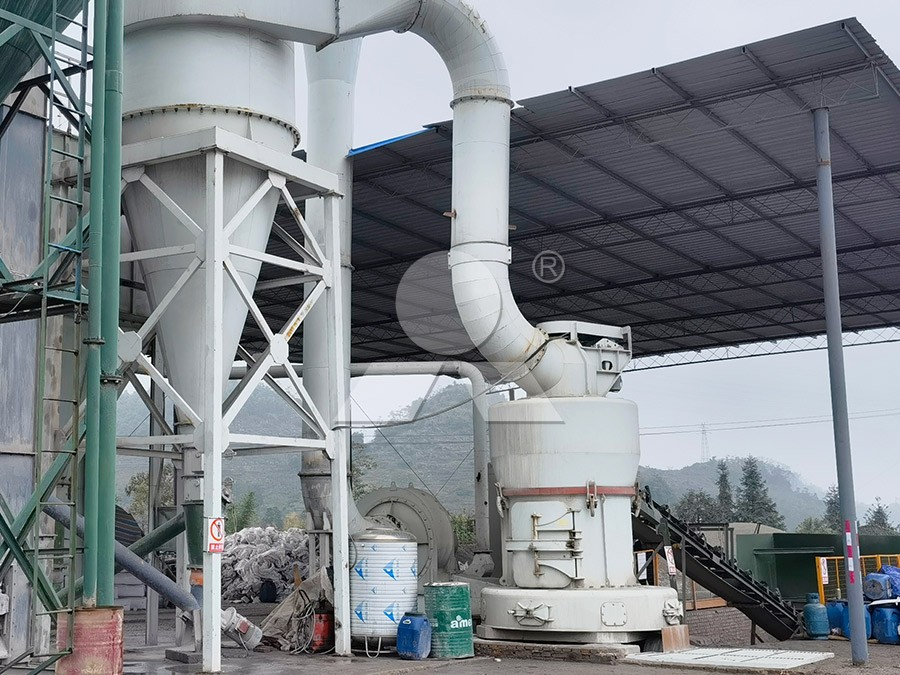
The milling circuit is where final liberation occurs. While traditional ball mills have been the workhorse for decades, advancements in grinding technology have introduced more efficient options for achieving ultra-fine grinds with tighter particle size distributions and lower energy consumption. For zinc ore, which often requires a fine grind, newer mill designs offer significant advantages.
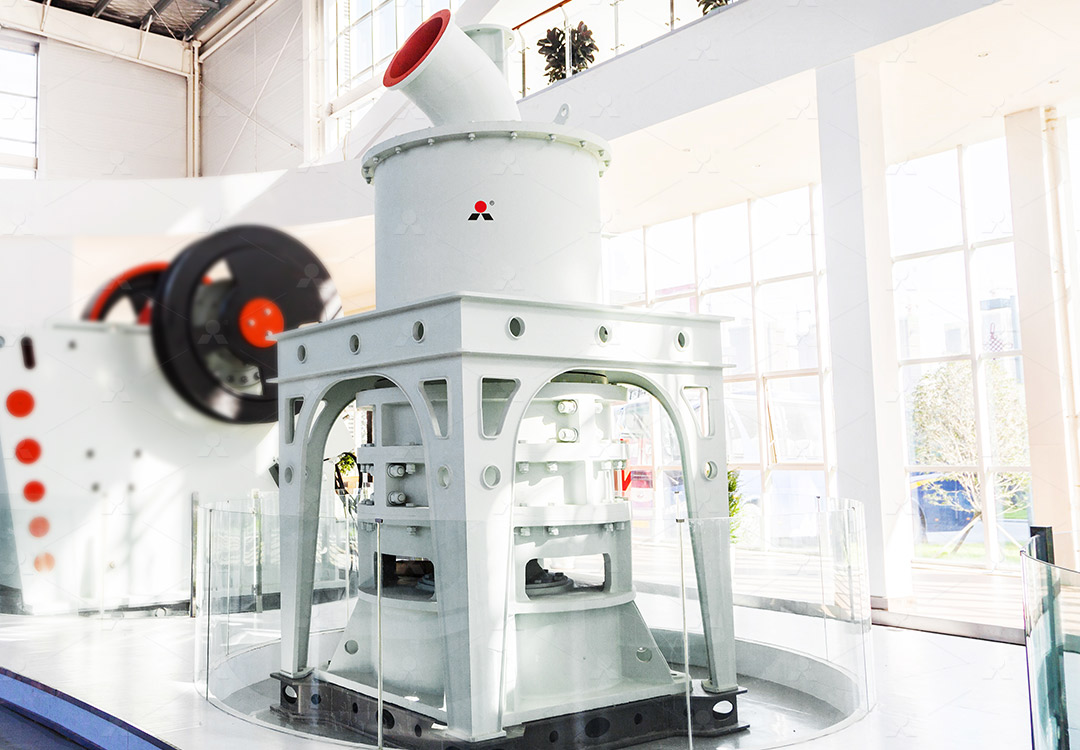
We highly recommend considering our MW Ultrafine Grinding Mill for this critical application. This machine is specifically engineered for customers who need to produce ultra-fine powder efficiently. With an input size of 0-20 mm and a capacity range of 0.5-25 tph, it perfectly handles the product from your tertiary crushing stage. Its cage-type powder selector, which incorporates German technology, allows for precise adjustment of the final product fineness between 325 and 2500 meshes, ensuring you can dial in the exact 45-75 micron range needed for optimal zinc flotation. A key feature for maintaining continuous operation is its design with no rolling bearings or screws in the grinding chamber, eliminating common failure points and worries about loose screws causing machine damage.
Beyond the Mill: Auxiliary Considerations
The mill itself is only one part of the system. A well-designed circuit includes efficient classification to ensure only properly sized material proceeds to flotation. Cyclones are typically used for this duty, sending oversize material back to the mill for further grinding. Furthermore, dust control is a significant consideration in the milling circuit. Our MW Mill is equipped with an efficient pulse dust collector and muffler, significantly reducing dust and noise emissions, making the entire production process more environmentally friendly and compliant with stringent regulations.
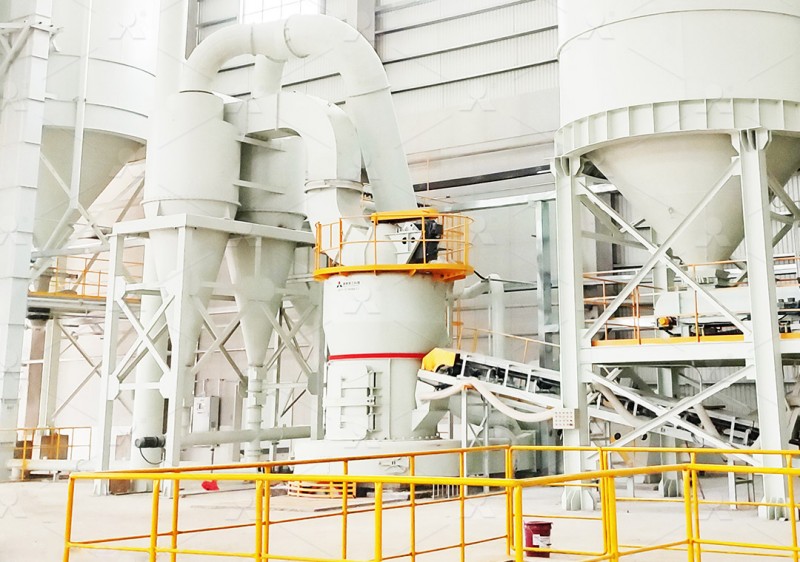
For operations with a slightly larger feed size or looking for a vertical roller mill solution, our LUM Ultrafine Vertical Grinding Mill is another excellent option. It handles an input size of 0-10mm with a capacity of 5-18 tph. Its unique roller shell and lining plate grinding curve are designed to generate a stable material layer, promoting efficient grinding and producing a clean, high-quality product with excellent whiteness—a bonus if your zinc concentrate specs require it.
Conclusion
Selecting the right equipment with the correct key specifications for zinc ore milling is not a decision to be taken lightly. It requires a deep understanding of the ore’s characteristics and the process goals. Focusing on mills that offer precise particle size control, high energy efficiency, and reliable, low-maintenance operation will pay dividends throughout the life of the concentrator plant. Investing in advanced grinding technology like the MW or LUM mills is a strategic move towards lower operating costs, higher recoveries, and a more sustainable operation.