
Hammer Mill Design for Fine Product Grinding: Diagrams and Schematics
We provide a wide range of mills — including Raymond mill, trapezoidal mill, vertical mill, ultrafine mill, and ball mill, obtained ISO9001 international quality certification, EU CE certification, and Customs Union CU-TR certification. Suitable for processing minerals such as limestone, phosphate, quicklime, kaolin, talc, barite, bentonite, calcium carbonate, dolomite, coal, gypsum, clay, carbon black, slag, cement raw materials, cement clinker, and more.
The discharge range of these mills can be adjusted to meet specific processing needs, typically from 80-400 mesh, 600-3250 mesh, and can achieve the finest particle size of up to 6000 mesh(D50).
If you are looking for a reliable grinding solution to turn stone or minerals into fine powder, please feel free to contact our online customer service.
Hammer Mill Design for Fine Product Grinding: Diagrams and Schematics
Designing a hammer mill for fine product grinding requires a deep understanding of material science, mechanical engineering, and process efficiency. The core objective is to achieve a specific particle size distribution while minimizing energy consumption and wear on components. This article delves into the key design considerations, operational principles, and the integration of advanced technologies to achieve superior fine grinding results.
Key Design Considerations
The effectiveness of a hammer mill is largely determined by its rotor assembly, screen or grate design, and feeding mechanism. For fine grinding, the tip speed of the hammers is critical; higher speeds generally produce finer particles but also increase energy consumption and wear. The screen aperture size directly controls the maximum particle size of the product. A common challenge is achieving a narrow particle size distribution without generating excessive heat, which can degrade heat-sensitive materials.
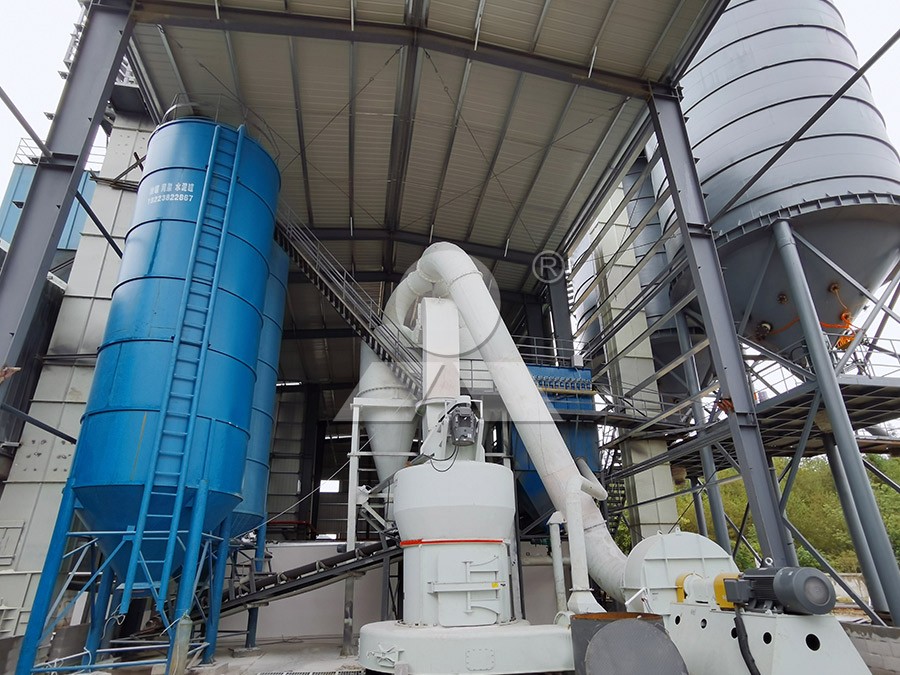
Modern designs often incorporate internal air-assist systems to help evacuate fine product from the grinding chamber, preventing over-grinding and reducing the load on the system. The geometry of the hammers and the internal lining of the mill chamber are also optimized to create a vortex that ensures efficient particle-on-particle and particle-on-hammer impact, the primary mechanisms for size reduction.
Beyond Traditional Hammer Mills: The Need for Ultrafine Solutions
While hammer mills are excellent for many applications, achieving consistently ultra-fine powders (finer than 325 mesh) can be challenging due to screen blinding, heat generation, and high energy costs. For operations requiring such fine products, a dedicated ultrafine grinding mill is often a more efficient and reliable solution.
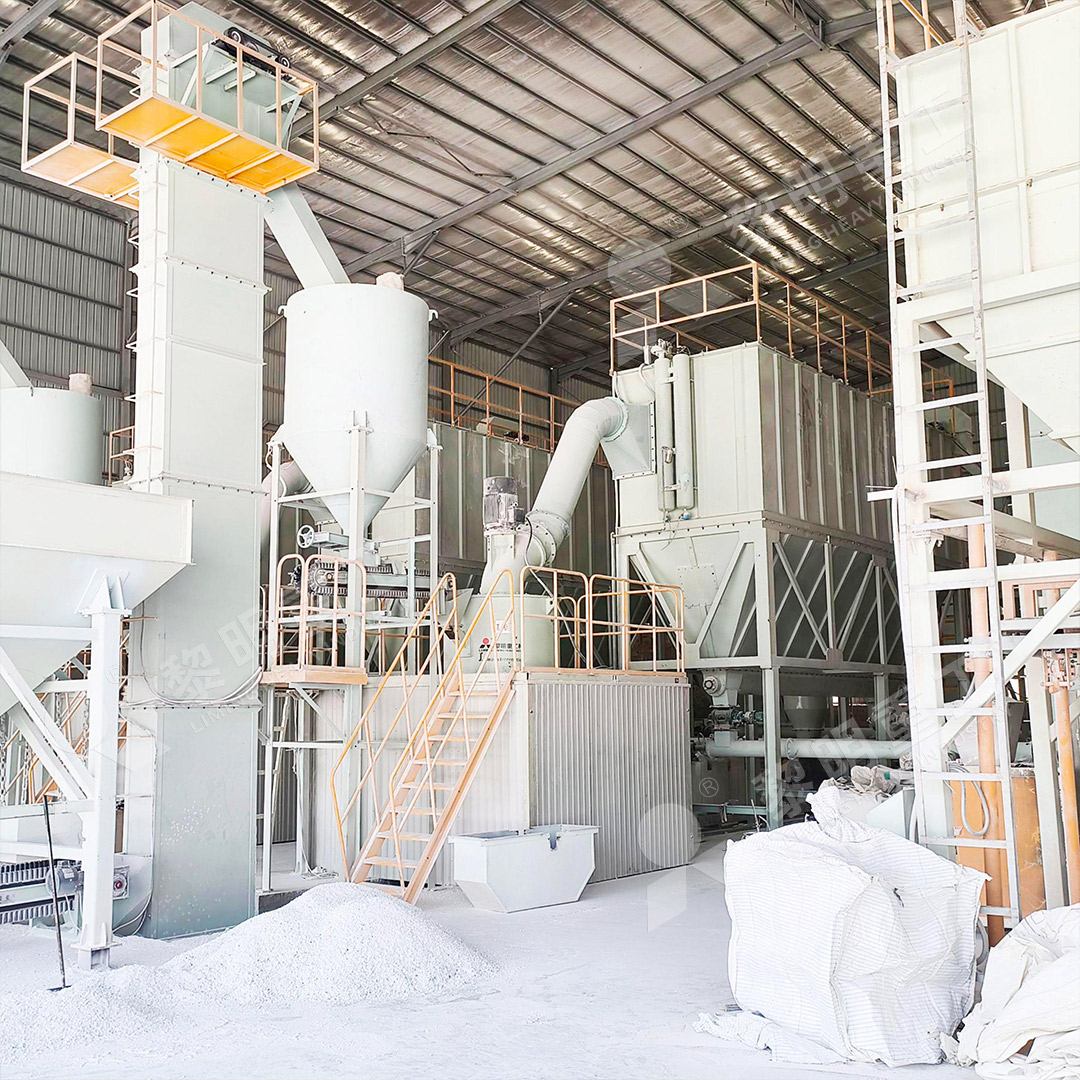
For instance, our MW Ultrafine Grinding Mill is specifically engineered for this purpose. It handles an input size of 0-20 mm with a capacity ranging from 0.5 to 25 tons per hour. Its design eliminates common failure points; notably, there are no rolling bearings or screws inside the grinding chamber, virtually eliminating concerns about bearing failure or loose screws causing damage. Equipped with an efficient pulse dust collector and muffler, it operates with minimal environmental impact, making it ideal for producing ultra-fine powder from materials like limestone, calcite, and talc for industries such as paints, cosmetics, and food additives.
Schematic Overview and Workflow
A typical fine-grinding hammer mill system consists of several key components integrated into a cohesive workflow. Material is fed into the grinding chamber via a vibratory or screw feeder. Inside, the high-speed rotor equipped with swinging hammers pulverizes the material against the stationary screen or grinding plates. The finely ground material passes through the screen apertures and is transported via pneumatic conveyance to a collection system, often a cyclone or a baghouse filter.
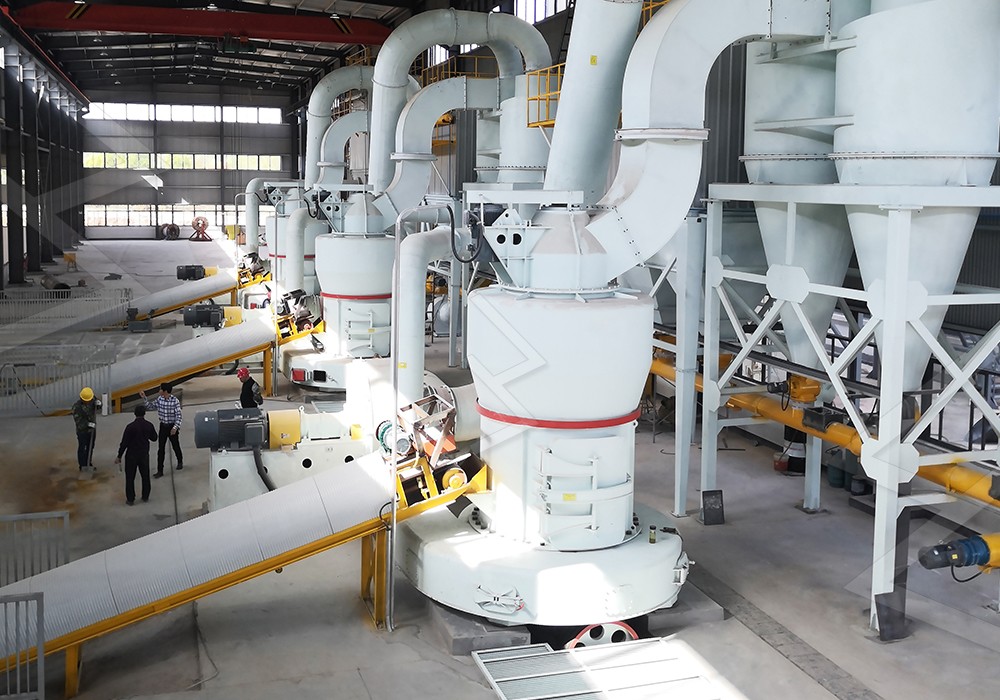
For operations demanding even higher precision and efficiency in a vertical configuration, our LUM Ultrafine Vertical Grinding Mill presents an excellent alternative. With an input size of 0-10 mm and a capacity of 5-18 tph, it integrates grinding, grading, and transporting. It features advanced multi-head powder separating technology from Germany, allowing for precise fineness adjustment and significantly lower energy consumption compared to traditional methods. Its reversible structure is a boon for maintenance, allowing easy access to grinding rollers.
Conclusion
The design of grinding equipment is a balance between power, precision, and practicality. While robust hammer mill designs form the backbone of many coarse to medium-fine grinding operations, specialized mills like the MW and LUM series are indispensable for achieving consistent, high-volume ultrafine products with lower operational costs and greater reliability. Selecting the right technology, based on material characteristics and desired product specs, is paramount to optimizing any fine grinding process.