
Energy Saving Ball Mill: Grinding Efficiency & Cost Reduction – Crusher China Net
We provide a wide range of mills — including Raymond mill, trapezoidal mill, vertical mill, ultrafine mill, and ball mill, obtained ISO9001 international quality certification, EU CE certification, and Customs Union CU-TR certification. Suitable for processing minerals such as limestone, phosphate, quicklime, kaolin, talc, barite, bentonite, calcium carbonate, dolomite, coal, gypsum, clay, carbon black, slag, cement raw materials, cement clinker, and more.
The discharge range of these mills can be adjusted to meet specific processing needs, typically from 80-400 mesh, 600-3250 mesh, and can achieve the finest particle size of up to 6000 mesh(D50).
If you are looking for a reliable grinding solution to turn stone or minerals into fine powder, please feel free to contact our online customer service.
Energy Saving Ball Mill: Grinding Efficiency & Cost Reduction
In today’s competitive industrial landscape, optimizing grinding operations is crucial for profitability and sustainability. While traditional ball mills have been the workhorse of many industries for decades, their high energy consumption and operational costs are becoming increasingly difficult to justify. The quest for greater grinding efficiency and significant cost reduction has led to the development of advanced milling technologies that outperform conventional systems.
The High Cost of Conventional Grinding
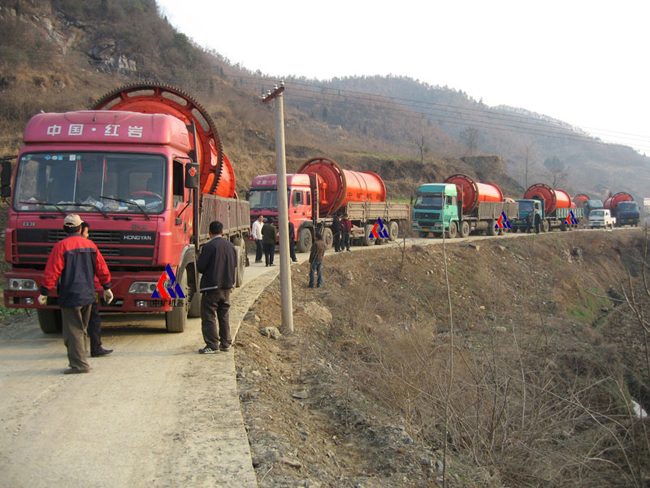
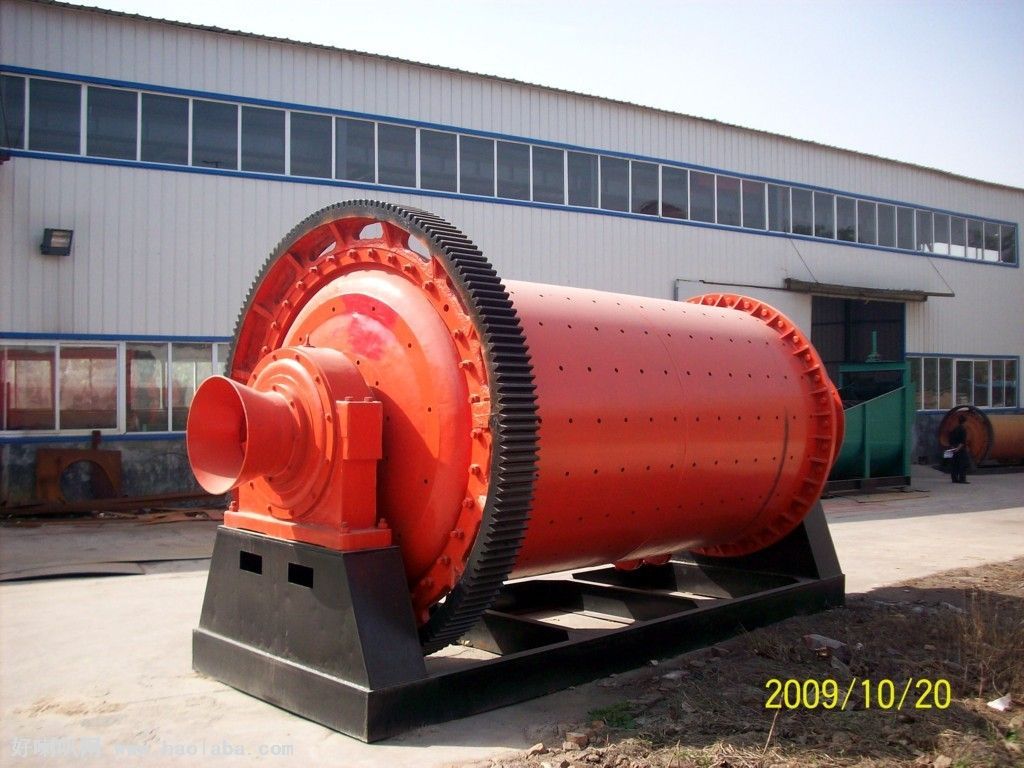
Traditional ball mills are notorious energy hogs, often consuming excessive power while delivering suboptimal grinding performance. These systems typically operate with energy efficiency as low as 1-2%, meaning most of the input energy is wasted as heat and noise rather than being used for actual size reduction. Additionally, maintenance costs can be substantial due to frequent replacement of vulnerable parts and extended downtime for repairs.
Advanced Alternatives for Superior Performance
The good news is that several innovative grinding solutions now offer dramatically improved efficiency and lower operational costs. Among these advanced technologies, our MW Ultrafine Grinding Mill stands out as a game-changer for operations requiring ultra-fine powders.
The MW Ultrafine Grinding Mill represents a significant leap forward in milling technology. With an input size of 0-20 mm and capacity ranging from 0.5-25 tph, this machine is engineered for customers who need to produce high-quality ultra-fine powder efficiently. What sets this mill apart is its innovative design that eliminates rolling bearings and screws in the grinding chamber, virtually eliminating concerns about bearing damage or machine failure caused by loose screws.
Key Advantages of Modern Grinding Technology
Modern grinding mills like our MW series offer multiple advantages over traditional ball mills:
- Higher Yielding with Lower Energy Consumption: The newly designed grinding curves of the grinding roller and grinding ring enhance grinding efficiency dramatically. With the same fineness and power, production capacity is 40% higher than jet grinding mills and twice that of ball grinding mills, while system energy consumption is only 30% of jet grinding mills.
- Adjustable Fineness: The cage-type powder selector, incorporating German technology, allows precise powder separation with adjustable fineness between 325-2500 meshes.
- Eco-Friendly Operation: Equipped with an efficient pulse dust collector and muffler, the MW Ultrafine Grinding Mill minimizes dust and noise pollution, ensuring compliance with national environmental standards.
- External Lubrication: The lubricating device is installed outside the main shaft, enabling lubrication without shutdown and supporting continuous 24-hour operation.
Another Exceptional Solution: LUM Ultrafine Vertical Grinding Mill
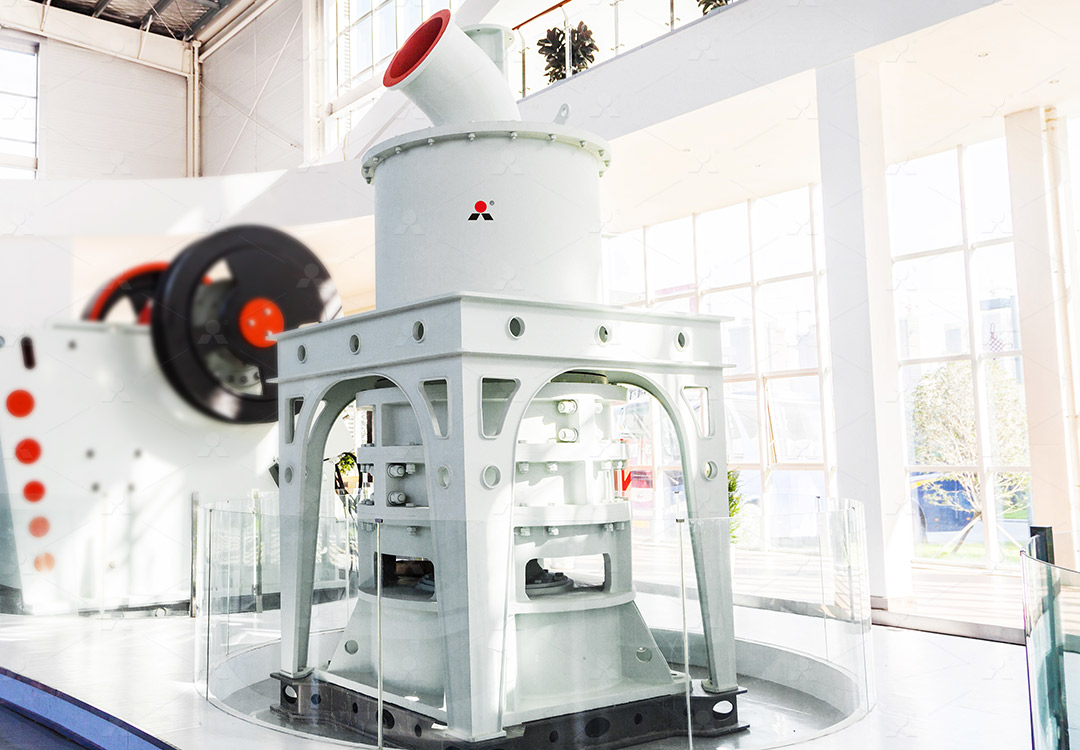
For operations requiring different specifications, our LUM Ultrafine Vertical Grinding Mill offers another compelling option. With an input size of 0-10 mm and capacity of 5-18 tph, this mill integrates ultrafine powder grinding, grading, and transporting into a single efficient system. Its unique roller shell and lining plate grinding curve design generates material layers more easily, enabling high rates of finished products through single-pass powder milling.
The LUM mill features PLC control systems and multi-head powder separating technology that accurately control grinding pressure, revolving speed, and other parameters. This results in energy consumption reductions of 30%-50% compared to conventional grinding mills. The double position-limiting technology ensures stable operation by preventing destructive impacts during machine vibration.
Real-World Benefits and Return on Investment
Operations that have transitioned from traditional ball mills to advanced systems like the MW and LUM mills report dramatic improvements:
- Energy savings of 30-50%
- Production capacity increases of 40-100%
- Reduced maintenance costs and downtime
- Improved product quality and consistency
- Enhanced environmental compliance
- Better working conditions with reduced noise and dust
Making the Transition
Transitioning from traditional ball mills to advanced grinding technology requires careful planning but delivers substantial returns. The digitalized processing of our grinding mills ensures higher precision, with tens of lines of numerical controlling machine tools handling operations such as steel plate cutting, bending, planing, milling, and paint spraying. This results in exceptional machining precision, particularly for core components.
Furthermore, we provide sufficient supply of spare parts and comprehensive technical support to ensure worry-free operation. Our business covers both production and sales, and we take responsibility for every machine we produce, offering customers technical services and original spare parts.
Conclusion
The era of accepting high energy costs and frequent maintenance from traditional ball mills is ending. Advanced grinding technologies like our MW Ultrafine Grinding Mill and LUM Ultrafine Vertical Grinding Mill offer a clear path to significantly improved grinding efficiency, substantial cost reduction, and enhanced environmental performance. By embracing these innovative solutions, operations can achieve competitive advantages through lower operational costs, higher product quality, and sustainable manufacturing practices.
Investing in modern grinding technology isn’t just about replacing equipment—it’s about transforming your operation for greater profitability and sustainability in an increasingly competitive market.