
Price of a Limestone Grinding Mill: A Detailed Cost Breakdown
We provide a wide range of mills — including Raymond mill, trapezoidal mill, vertical mill, ultrafine mill, and ball mill, obtained ISO9001 international quality certification, EU CE certification, and Customs Union CU-TR certification. Suitable for processing minerals such as limestone, phosphate, quicklime, kaolin, talc, barite, bentonite, calcium carbonate, dolomite, coal, gypsum, clay, carbon black, slag, cement raw materials, cement clinker, and more.
The discharge range of these mills can be adjusted to meet specific processing needs, typically from 80-400 mesh, 600-3250 mesh, and can achieve the finest particle size of up to 6000 mesh(D50).
If you are looking for a reliable grinding solution to turn stone or minerals into fine powder, please feel free to contact our online customer service.
Understanding the Investment: More Than Just the Sticker Price
When considering the purchase of a limestone grinding mill, the initial equipment price is just one piece of the puzzle. A truly professional cost analysis must factor in operational expenses, maintenance, energy consumption, and the total return on investment (ROI) over the machine’s lifespan. For operations focused on producing high-quality ultra-fine limestone powder, selecting the right technology is paramount.
Key Cost Components of a Limestone Grinding Operation
The total cost of ownership breaks down into several key areas:
- Capital Expenditure (CAPEX): The upfront purchase price of the mill and auxiliary equipment (crushers, feeders, collectors).
- Installation & Commissioning: Costs for foundation work, electrical setup, and initial system calibration.
- Operational Expenditure (OPEX): The day-to-day running costs, dominantly electricity consumption.
- Wear Parts & Maintenance: Regular replacement of grinding elements, rollers, rings, and other consumables.
- Labor: Manpower required for operation and routine checks.
- Downtime: The hidden cost of lost production during maintenance and repairs.
The Energy Factor: Where Long-Term Savings Are Made
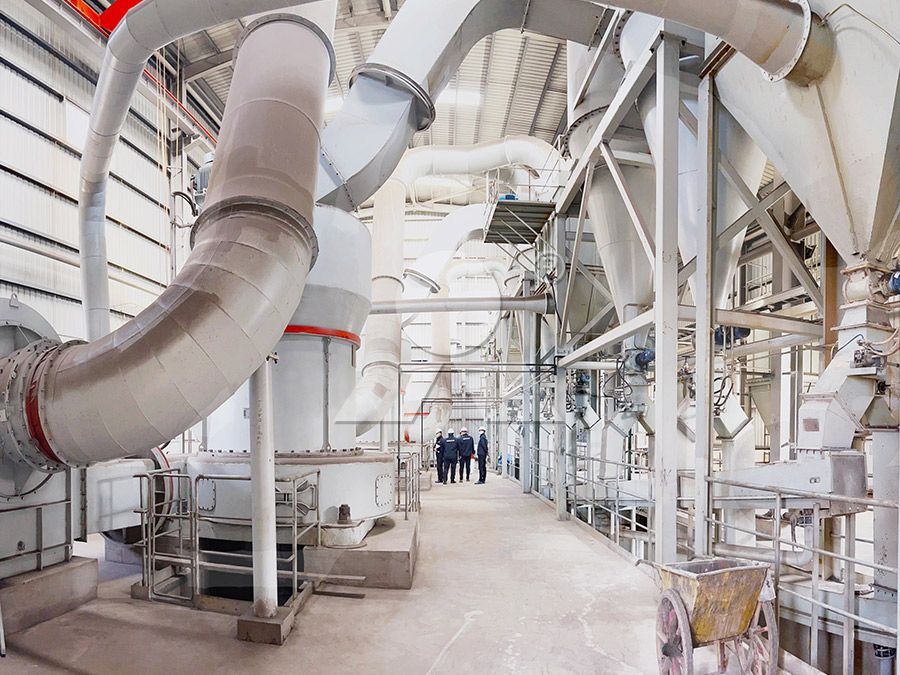
For any grinding operation, energy is the single largest ongoing expense, often constituting 40-50% of the total operating cost. Traditional ball mills, while having a lower initial purchase price, are notoriously inefficient, converting a large portion of input energy into heat and noise rather than productive grinding. This is where advanced mill designs offer a compelling financial advantage.
Recommended Solution: The MW Ultrafine Grinding Mill
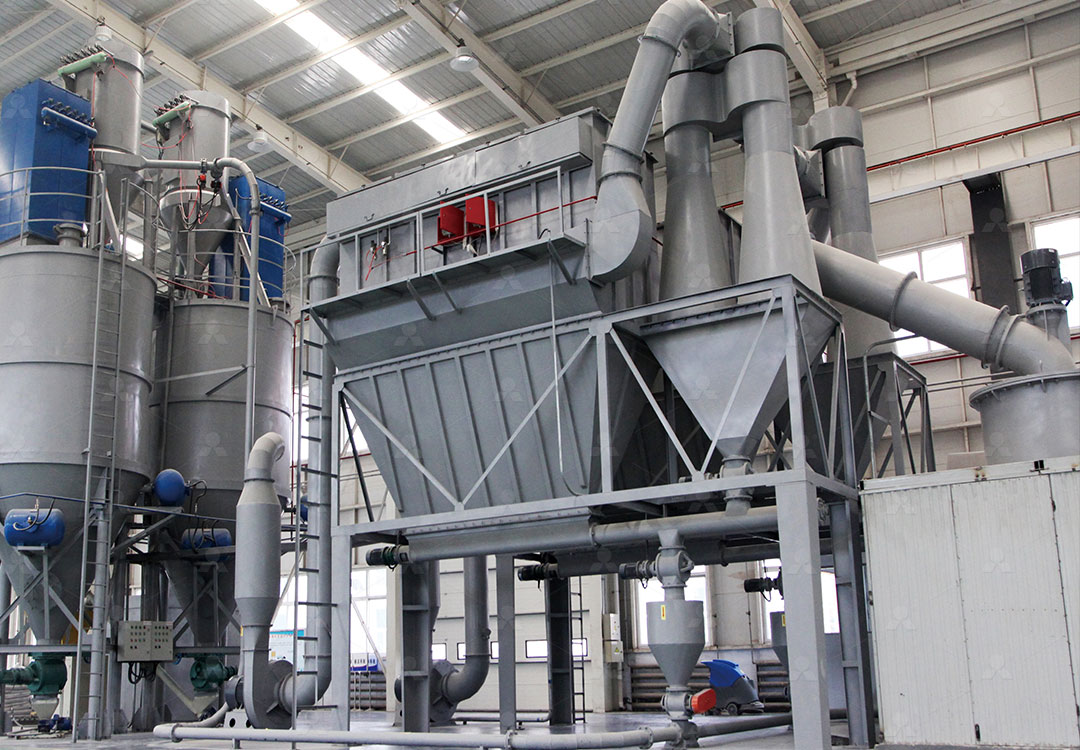
For producers aiming for high-value ultra-fine limestone powders (325-2500 meshes), our MW Ultrafine Grinding Mill presents a technologically and economically superior choice. Its design philosophy directly adresses the major cost centers of a grinding operation.
With an input size of 0-20 mm and a capacity range of 0.5-25 tph, it’s versatile for various production scales. The real economic benefit lies in its efficiency: “With the same fineness and power, the production capacity is 40% higher than that of jet grinding mill and stirred grinding mill… the system energy consumption is only 30% of the jet grinding mill.” This translates to a direct and substantial reduction in your largest OPEX component—electricity bills.
Features That Drive Down Total Cost
- No Rolling Bearing & Screw in Grinding Chamber: This ingenous design eliminates common failure points, preventing costly unplanned downtime and repairs related to bearing seizures or loose screws. Worry-free operation means continuous production.
- External Lubrication: Lubrication can be performed without shutdown, supporting 24/7 operation and maximizing uptime.
- Efficient Pulse Dust Collector: Integrated system ensures no dust pollution, keeping operational costs low by meeting environmental standards without additional, expensive external filters.
- High Precision & Durability: Digitalized manufacturing ensures core parts are built to last, reducing the frequency of wear part replacement.
Considering Larger Capacities? The LUM Ultrafine Vertical Alternative
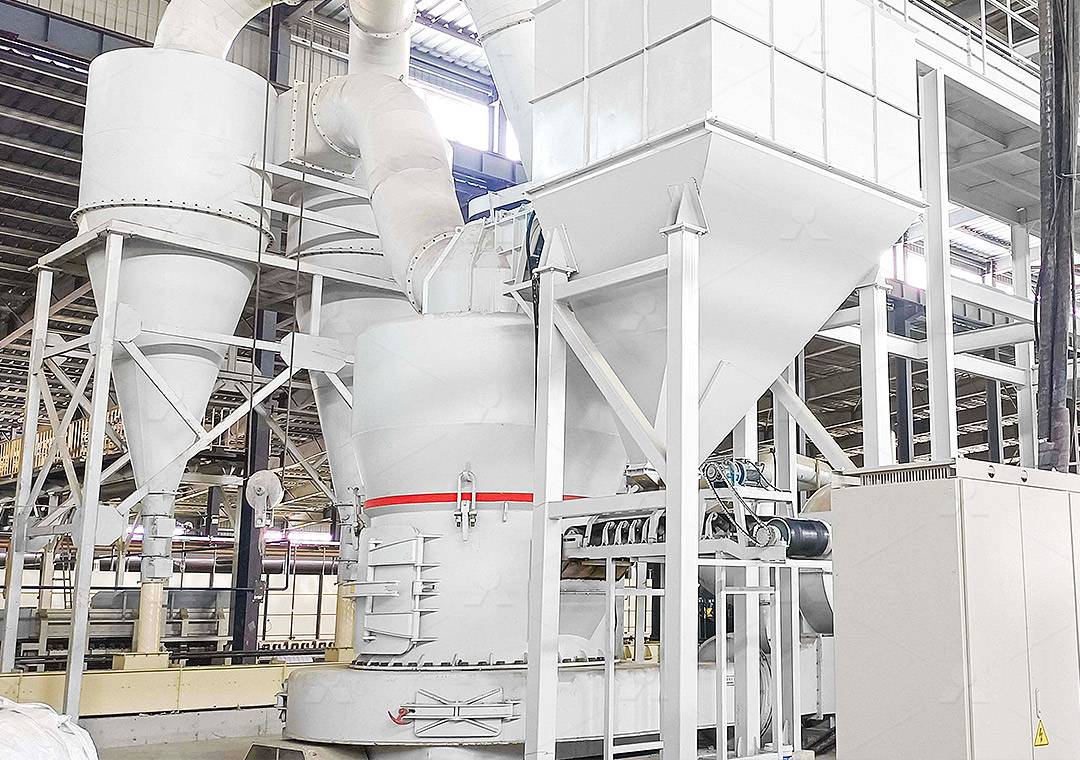
For projects requiring even higher throughput, our LUM Ultrafine Vertical Grinding Mill (Capacity: 5-18 tph) is another excellent option. It integrates the latest roller and powder separating technology for exceptional energy savings—“reducing the energy consumption by 30%-50%” compared to common mills. Its reversible structure allows for easier and faster maintenance, drastically reducing the time and cost associated with servicing heavy grinding rollers.
Conclusion: Investing in Efficiency Pays Off
While the initial price tag of an advanced MW or LUM mill may be higher than a basic Raymond or ball mill, the true cost analysis reveals a different story. The dramatic reduction in energy consumption, combined with superior reliability, minimal maintenance, and high uptime, leads to a significantly lower cost per ton of produced limestone powder over the equipment’s lifetime. Investing in the right technology from the start is not just a purchase; it’s a strategic decision for long-term profitability and operational excellence. Contact our team for a detailed quotation and a personalized ROI calculation for your specific project needs.