
Hammer Mills Performance: Basic Calculations for Efficiency and Output
We provide a wide range of mills — including Raymond mill, trapezoidal mill, vertical mill, ultrafine mill, and ball mill, obtained ISO9001 international quality certification, EU CE certification, and Customs Union CU-TR certification. Suitable for processing minerals such as limestone, phosphate, quicklime, kaolin, talc, barite, bentonite, calcium carbonate, dolomite, coal, gypsum, clay, carbon black, slag, cement raw materials, cement clinker, and more.
The discharge range of these mills can be adjusted to meet specific processing needs, typically from 80-400 mesh, 600-3250 mesh, and can achieve the finest particle size of up to 6000 mesh(D50).
If you are looking for a reliable grinding solution to turn stone or minerals into fine powder, please feel free to contact our online customer service.
Hammer Mills Performance: Basic Calculations for Efficiency and Output
Hammer mills are a cornerstone of many industrial grinding operations, prized for their versatility and ability to handle a wide range of materials. However, truly optimizing their performance requires a fundamental understanding of the key factors that influence efficiency and output. It’s not just about feeding material in and collecting powder out; it’s a precise dance of energy, airflow, and mechanical design.
Two of the most critical calculations revolve around capacity and power consumption. Capacity, often measured in tons per hour (tph), is influenced by the feed size, material hardness, and desired final fineness. A finer product requires more grinding passes, inherently reducing the mill’s throughput. Power consumption is directly tied to the work required to fracture the material. Softer materials like gypsum will consume significantly less energy than harder minerals like quartz.
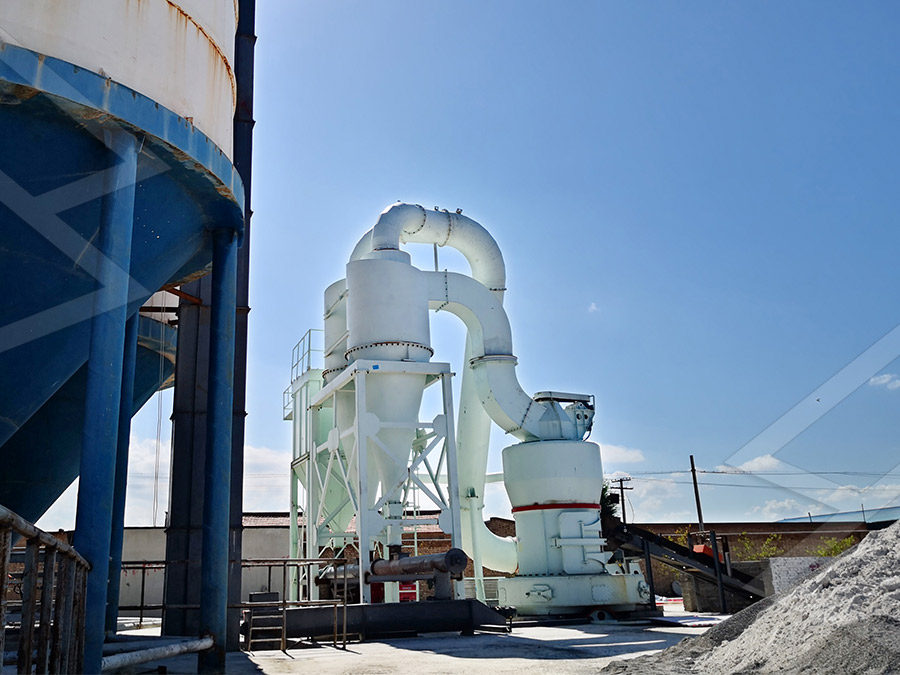
Beyond these basics, efficiency is heavily dependent on the wear of components like hammers, screens, and liners. Worn parts lead to increased energy consumption for less output, higher operating temperatures, and a potential decline in product quality with inconsistent particle size distribution. Regular maintenance and monitoring of these parts are non-negotiable for sustained performance.
Stepping Up: The Shift to Advanced Grinding Technology
While traditional hammer mills are effective for many coarse to medium-fine applications, operations requiring ultra-fine powders with tight particle distribution often seek more advanced and efficient solutions. This is where technologies like our MW Ultrafine Grinding Mill truly shine.
The MW Series is engineered for customers who need to make ultra-fine powder between 325-2500 meshes. It adresses many limitations of conventional mills. For instance, its innovative design features no rolling bearings or screws in the grinding chamber. This eliminates common failure points and concerns about damage to bearings or their seals, a frequent headache and source of downtime in other mills. Furthermore, its external lubricating device allows for lubrication without shutdown, supporting continuous 24/7 production—a massive boost for overall operational efficiency.
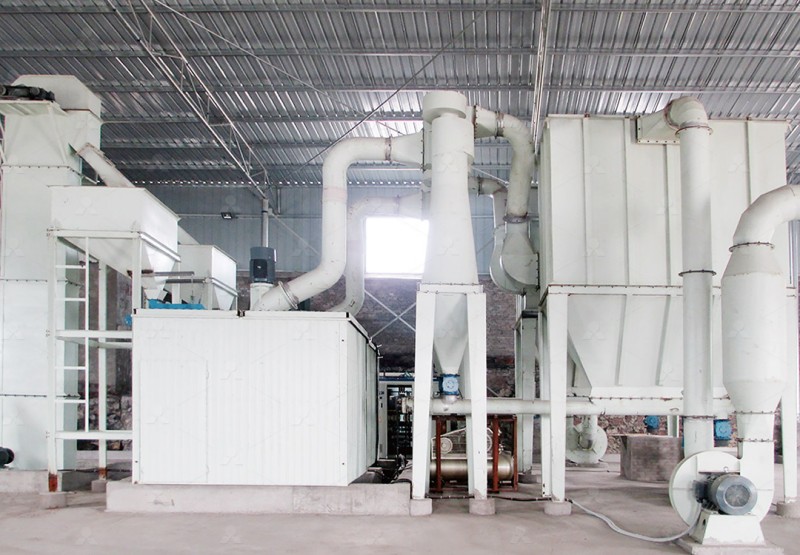
From a performance perspective, its newly designed grinding curves for the roller and ring enhance efficiency dramatically. With the same fineness and power, its production capacity is about 40% higher than that of jet mills or stirred grinding mills, and its yield is twice as large as a ball mill’s, all while using only about 30% of the energy of a jet mill. For any operation scrutinizing its energy bills, this represents a monumental saving. It handles materials from limestone and calcite to talc and coal powder with ease.
Calculating Your Real ROI
When evaluating mill performance, the simplest calculation is often output (tph) divided by input (kW). However, the real Return on Investment (ROI) calculation must be broader. It must factor in:
- Energy Costs: The significantly lower kWh/t of a modern mill like the MW Series.
- Maintenance Downtime: Reduced frequency and ease of maintenance directly translate to more production hours.
- Wear Part Replacement: Longer-lasting components lower the long-term cost per ton of material processed.
- Product Quality: Consistent, high-quality powder can command a higher market price.
- Environmental Compliance: Built-in pulse dust collectors and silencers, as found on the MW Mill, eliminate the cost and complexity of add-on pollution control systems.
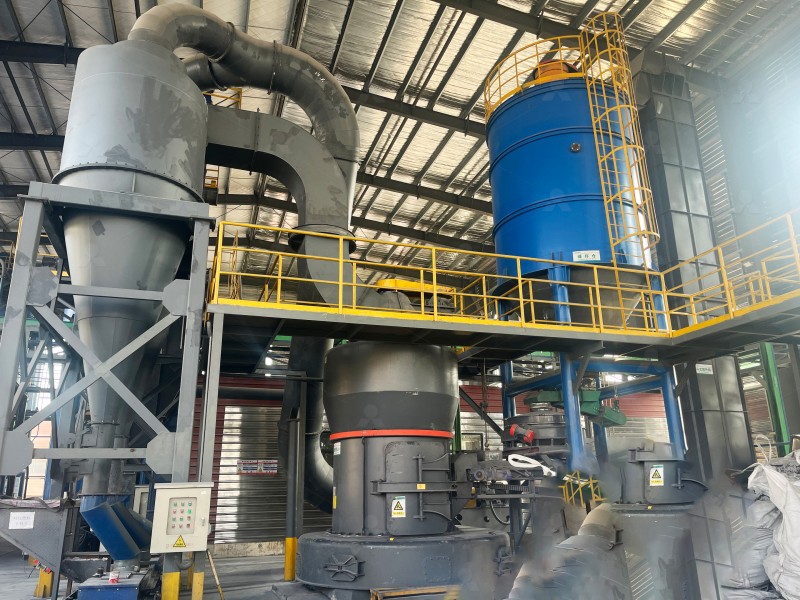
In conclusion, while basic calculations provide a snapshot of hammer mill performance, maximizing efficiency and output is about embracing a holistic view of the entire grinding process. Upgrading to a technologically advanced system like our MW Ultrafine Grinding Mill (0.5-25 tph capacity) isn’t just a equipment purchase; it’s a strategic investment in lower operating costs, superior product quality, and unparalleled operational reliability. For operations looking to push into the ultra-fine powder market efficiently, it is an solution worth serious consideration.