
Key Performance Parameters of High-Efficiency Lime Kiln Coal Mills
We provide a wide range of mills — including Raymond mill, trapezoidal mill, vertical mill, ultrafine mill, and ball mill, obtained ISO9001 international quality certification, EU CE certification, and Customs Union CU-TR certification. Suitable for processing minerals such as limestone, phosphate, quicklime, kaolin, talc, barite, bentonite, calcium carbonate, dolomite, coal, gypsum, clay, carbon black, slag, cement raw materials, cement clinker, and more.
The discharge range of these mills can be adjusted to meet specific processing needs, typically from 80-400 mesh, 600-3250 mesh, and can achieve the finest particle size of up to 6000 mesh(D50).
If you are looking for a reliable grinding solution to turn stone or minerals into fine powder, please feel free to contact our online customer service.
Key Performance Parameters of High-Efficiency Lime Kiln Coal Mills
In the lime production industry, the efficieny and reliability of the coal grinding mill is paramount. The performance of the kiln itself is directly tied to the quality and consistency of the pulverized coal fuel. Key performance parameters (KPPs) for these mills include grinding efficiency, energy consumption, product fineness, operational stability, and environmental compliance. Understanding these KPPs is essential for selecting the right equipment and optimizing the entire production line.
Core Performance Metrics
Grinding Efficiency & Capacity: This is measured in tons per hour (tph) output for a given power input. A high-efficiency mill delivers maximum throughput with minimal energy waste, directly impacting operational costs. The fineness, often measured in meshes or micrometers, must be consistent to ensure complete and efficient combustion in the kiln.
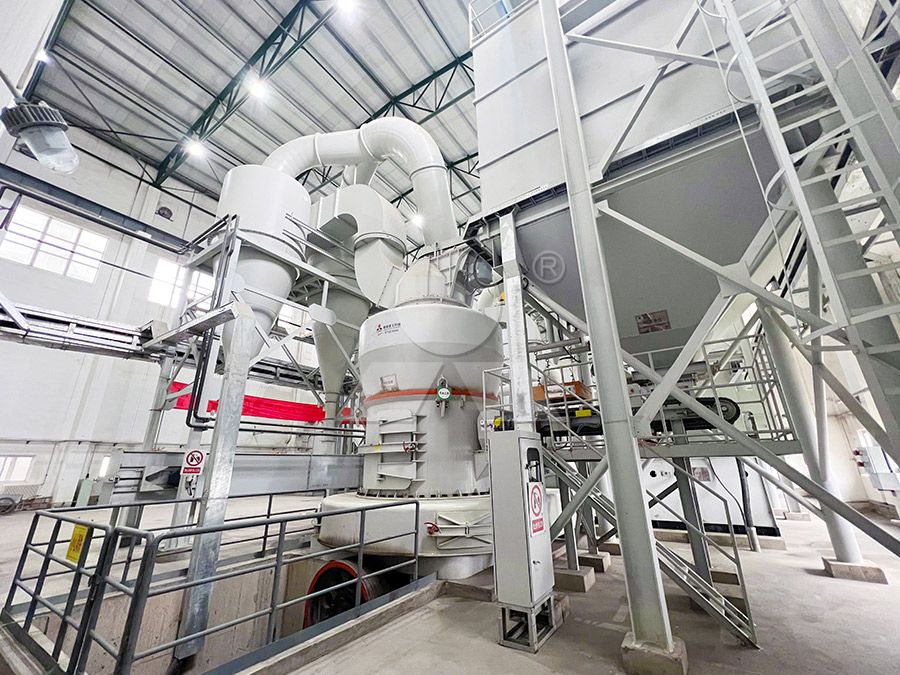
Energy Consumption: This is a major operational expenditure. Modern mills leverage advanced grinding curves and efficient classifiers to significantly reduce kWh per ton of product compared to older technologies like ball mills.
Operational Stability & Maintenance: Downtime is the enemy of productivity. Mills designed without critical components like rolling bearings and screws in the grinding chamber inherently offer higher reliability and reduced maintenance worries. Features like external lubrication systems allow for 24/7 operation.
Advanced Technology for Superior Performance
To meet these demanding KPPs, technological innovation is key. This includes sophisticated powder selection technology for precise fineness control, durable wear-resistant materials to extend component life, and integrated pulse dust collectors to ensure emissions meet stringent environmental standards.
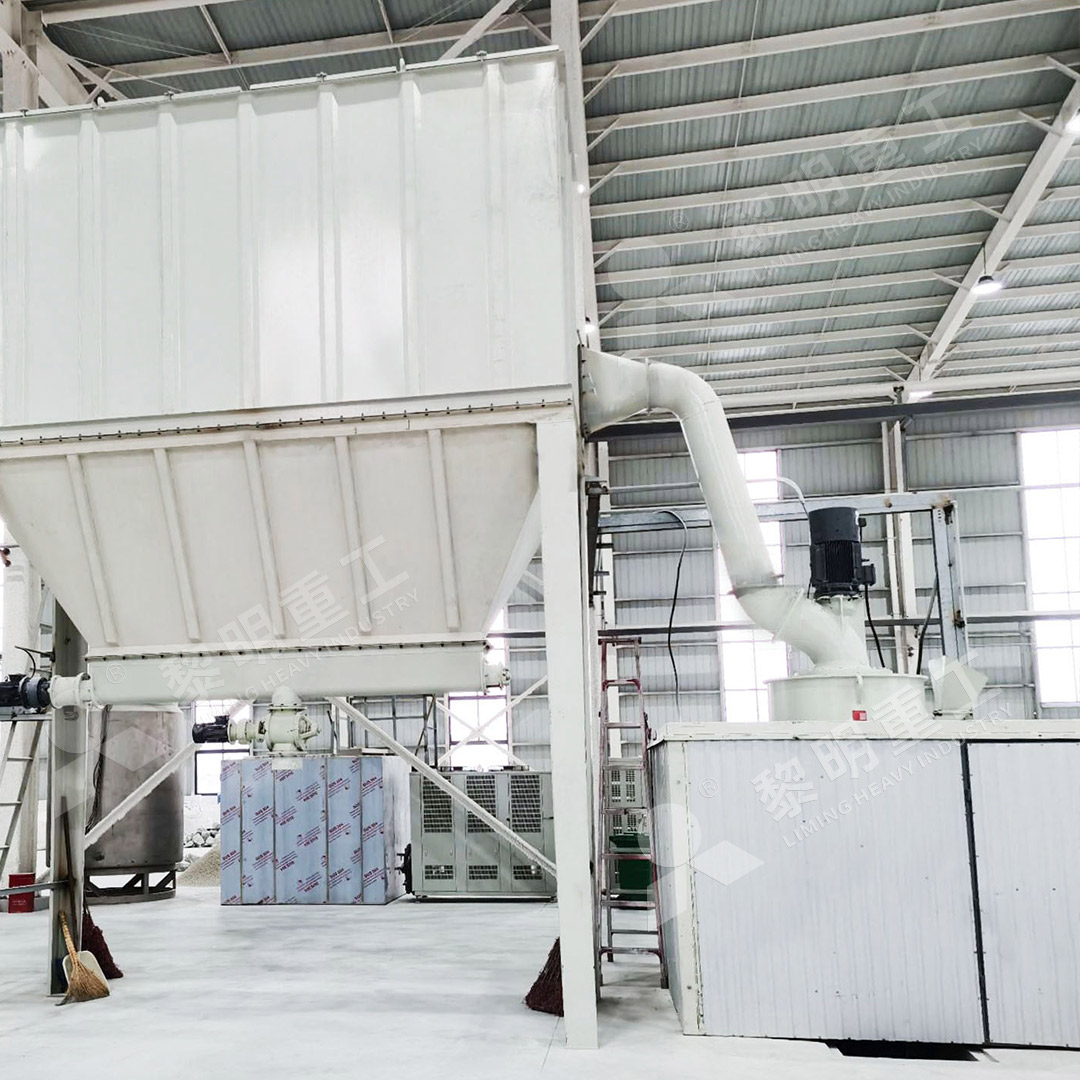
For operations requiring ultra-fine pulverized coal for optimal combustion, the MW Ultrafine Grinding Mill is an exceptional choice. This machine is engineered for customers who need to make ultra-fine powder, boasting an input size of 0-20 mm and a capacity range of 0.5-25 tph. Its design incorporates an efficient pulse dust collector and muffler, minimizing dust and noise for an environmentally friendly production process. A key advantage is its higher yield and lower energy consumption; its newly designed grinding curves enhance efficiency, offering production capacity 40% higher than jet mills while reducing system energy consumption to just 30%. Furthermore, its cage-type powder selector allows for adjustable fineness between 325-2500 meshes, making it perfectly suited for precise coal preparation.
Environmental and Control Systems
Modern mills must be good neighbors. Full negative pressure operation combined with high-efficiency baghouse dust collectors ensures no dust spillage, keeping the plant clean and compliant. Advanced PLC-based automation systems allow for precise control over grinding parameters and enable remote monitoring, reducing labor costs and improving consistency.
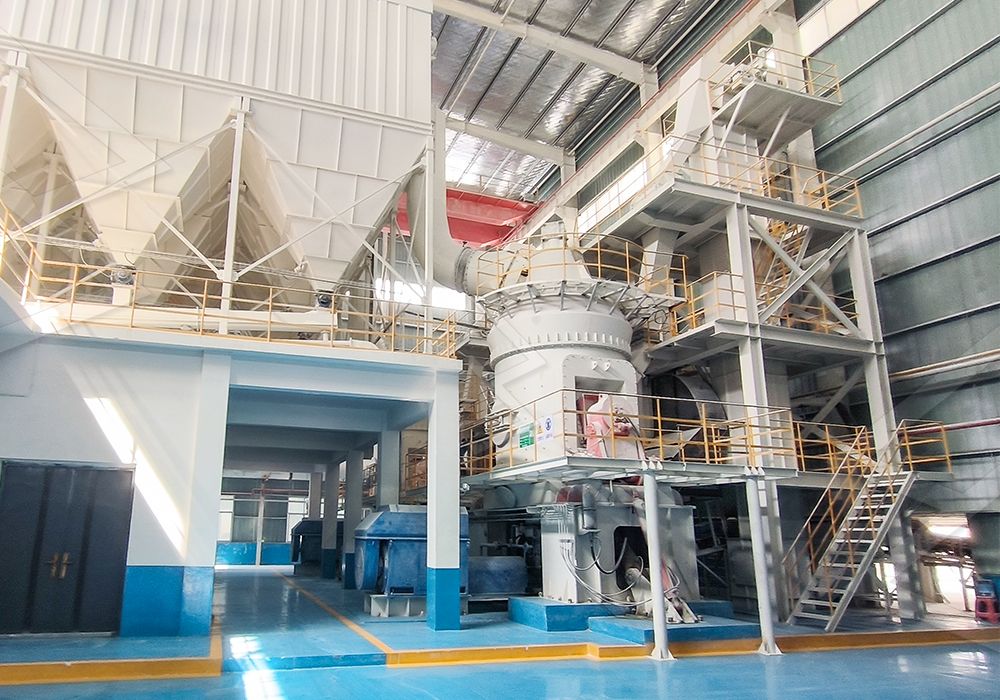
Another robust solution for lime kiln operations is the LM Vertical Coal Mill. This mill is renowned for its simple and reliable operation, integrating drying, grinding, and powder selection into a single unit. It features a hydraulic system for easy roller maintenance and limit devices to prevent destructive metal-to-metal contact, ensuring great operational stability. Its high grinding efficiency translates to 40%-50% lower power consumption compared to traditional ball mills. With a capacity range of 5-100 T/H and the ability to handle input sizes <50mm, it provides stable, high-quality product with a narrow particle size distribution, which is crucial for uniform combustion in the kiln.
Conclusion
Selecting a coal mill based on a thorough evaluation of its key performance parameters is a critical strategic decision. Prioritizing high grinding efficiency, low energy consumption, operational reliability, and environmental protection leads to lower cost per ton, higher kiln efficiency, and sustainable plant operation. Investing in advanced grinding technology from reputable manufacturers like LIMING, who offer comprehensive technical support and genuine spare parts, is the surest path to achieving these goals and maintaining a competitive edge in the lime industry.