
Best Steel Slag Grinding Mill Equipment and Production Line Setup
We provide a wide range of mills — including Raymond mill, trapezoidal mill, vertical mill, ultrafine mill, and ball mill, obtained ISO9001 international quality certification, EU CE certification, and Customs Union CU-TR certification. Suitable for processing minerals such as limestone, phosphate, quicklime, kaolin, talc, barite, bentonite, calcium carbonate, dolomite, coal, gypsum, clay, carbon black, slag, cement raw materials, cement clinker, and more.
The discharge range of these mills can be adjusted to meet specific processing needs, typically from 80-400 mesh, 600-3250 mesh, and can achieve the finest particle size of up to 6000 mesh(D50).
If you are looking for a reliable grinding solution to turn stone or minerals into fine powder, please feel free to contact our online customer service.
Best Steel Slag Grinding Mill Equipment and Production Line Setup
In the world of industrial mineral processing, handling tough materials like steel slag requires robust, efficient, and reliable grinding technology. Steel slag, a by-product of steelmaking, presents unique challenges due to its abrasive nature and variable composition. Selecting the right grinding mill is paramount to achieving desired fineness, maximizing throughput, and ensuring operational economy. A well-designed production line goes beyond just the mill, incorporating optimal feeding, classifying, and collecting systems for a seamless, high-yield operation.
The Grinding Challenge: Why Steel Slag is Tough
Steel slag is hard and abrasive. Traditional ball mills, while common, often suffer from high energy consumption, significant wear on grinding media, and potential iron contamination. The ideal mill must offer high grinding efficiency, superior wear resistance, and minimal iron content increase in the final product to ensure its value in applications like cement blending or concrete additive.
Key Considerations for Mill Selection
When chosing equipment for steel slag, several factors are critical:
- Grinding Efficiency: High capacity with lower kWh/t consumption.
- Wear Resistance: Critical components must withstand abrasion.
- Product Fineness: Ability to achieve a consistent, adjustable powder size (often between 325-2500 mesh).
- System Integration: A mill that integrates drying, grinding, and classifying simplifies the entire line.
- Environmental Compliance: Low noise and dust emissions are non-negotiable in modern plants.
Recommended Equipment: LM Vertical Slag Mill
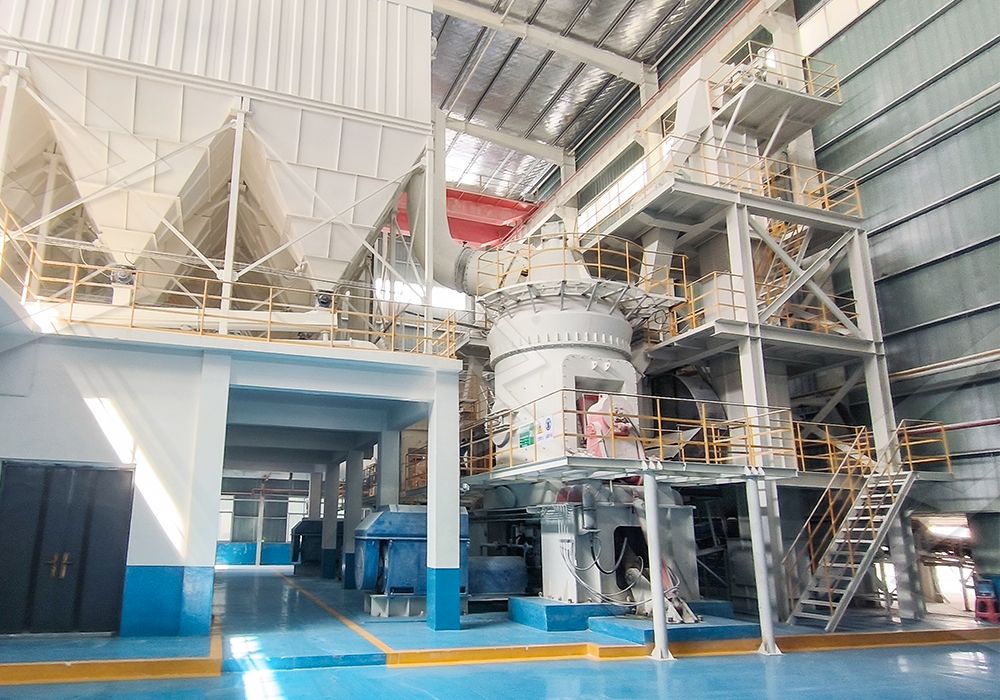
For specialized slag grinding applications, our LM Vertical Slag Mill stands out as a premier choice. It’s engineered specifically for industrial waste like steel and water slag, integrating drying, grinding, powder selection, and conveying into a single, compact unit.
Key Advantages for Slag:
- High Efficiency & Low Energy Use: Its focused design consumes 30% ~ 40% less energy compared to traditional ball milling systems. The material bed grinding principle ensures efficient size reduction.
- Superior Wear Protection: Utilizing high-performance wear-resistant materials for key parts, it offers reliable operation and extended service life, drastically reducing maintenance downtime and cost.
- Excellent Product Quality: The grinding process generates minimal heat, preventing slag reactivity issues. It produces powder with uniform fineness and high screening rate, perfect for downstream use.
- Compact Footprint: Its vertical structure reduces the covered area by about 50% compared to a ball mill system, significantly lowering civil construction costs.
Complementary Technology: MW Ultrafine Grinding Mill
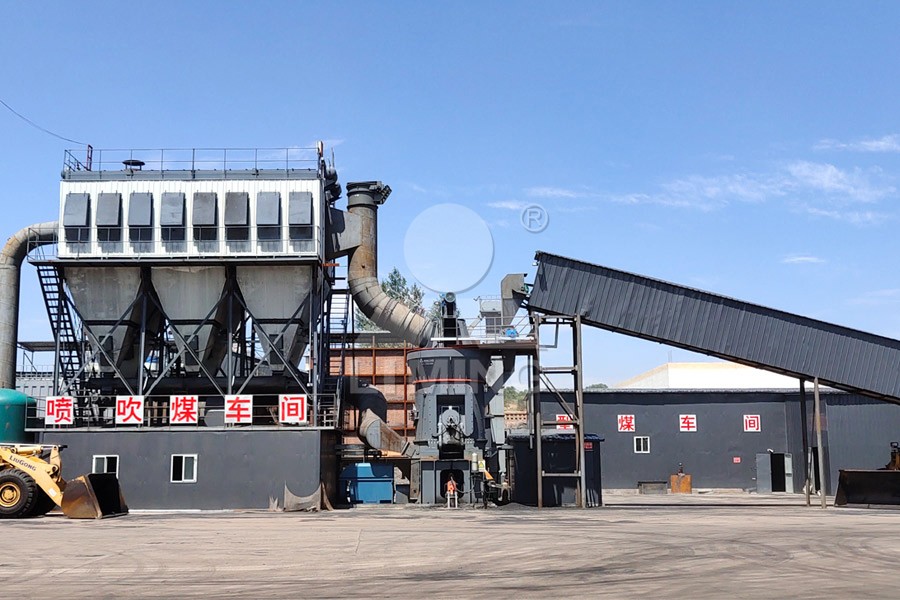
For operations requiring ultra-fine powder from slag (d97≤5μm), our MW Ultrafine Grinding Mill is an exceptional solution. It’s designed for customers who need to make ultra-fine powder with higher yielding and lower energy consumption.
Why it works for fine slag powder:
- Adjustable Fineness (325-2500 meshes): Its German-technology cage-type powder selector allows precise control over final product size.
- Robust Design: The absence of rolling bearings and screws in the grinding chamber eliminates common failure points and fears about loose parts causing damage.
- Eco-Friendly Operation: Equipped with an efficient pulse dust collector and silencer, the entire system operates cleanly and quietly, meeting strict environmental standards.
Setting Up Your Production Line
A typical optimized line for steel slag includes:
- Primary Crushing: Jaw crusher to reduce slag to a manageable size (<50mm).
- Feed System: Vibrating feeder and elevator for consistent material supply to the mill.
- Core Grinding: The LM Vertical Slag Mill (or MW Mill for ultra-fine applications).
- Product Collection: High-efficiency cyclone powder collectors and pulse bag filters to capture the final product.
- Control System: Centralized PLC control for automated, stable operation and remote monitoring.
Conclusion: Investing in the Right Technology
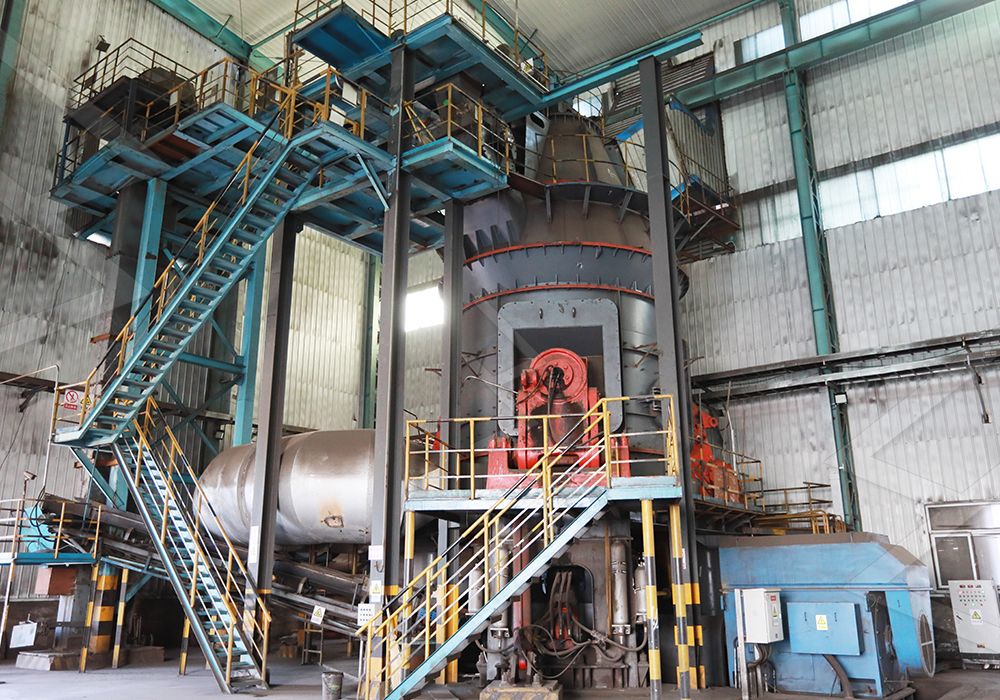
Choosing the best grinding mill for steel slag isn’t just about buying a machine; it’s about investing in a complete, efficient, and profitable system solution. Our LM Vertical Slag Mill and MW Ultrafine Grinding Mill offer proven performance, remarkable energy savings, and the reliability needed for continuous, high-volume production. By focusing on technology designed for the specific challenges of slag, you can transform a waste product into a valuable commodity, ensuring your operation is both economically and environmentally sustainable for the long term.