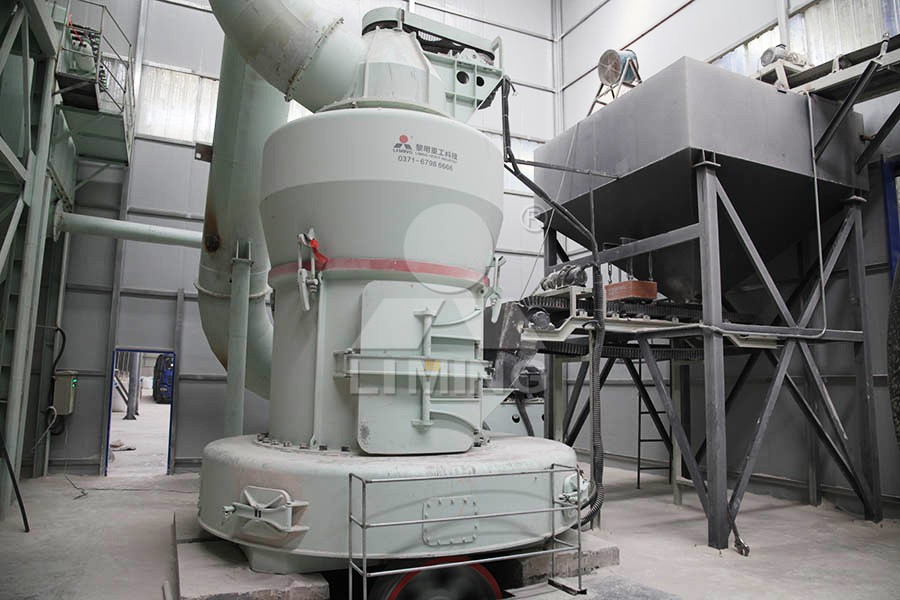
Optimizing Particle Size Distribution with Equalization in Conventional Mill Machines
We provide a wide range of mills — including Raymond mill, trapezoidal mill, vertical mill, ultrafine mill, and ball mill, obtained ISO9001 international quality certification, EU CE certification, and Customs Union CU-TR certification. Suitable for processing minerals such as limestone, phosphate, quicklime, kaolin, talc, barite, bentonite, calcium carbonate, dolomite, coal, gypsum, clay, carbon black, slag, cement raw materials, cement clinker, and more.
The discharge range of these mills can be adjusted to meet specific processing needs, typically from 80-400 mesh, 600-3250 mesh, and can achieve the finest particle size of up to 6000 mesh(D50).
If you are looking for a reliable grinding solution to turn stone or minerals into fine powder, please feel free to contact our online customer service.
Optimizing Particle Size Distribution with Equalization in Conventional Mill Machines
In the world of mineral processing and powder production, achieving a consistent and optimal Particle Size Distribution (PSD) is paramount. It’s not just about making things smaller; it’s about controlling how they are made smaller. Conventional mill machines, while robust, often struggle with inherent inefficiencies that lead to a broad, uneven PSD. This can result in wasted energy, reduced product quality, and increased operational costs. The key to overcoming these challenges lies in the principle of equalization – creating a stable, controlled grinding environment that promotes uniform comminution.
The Challenge of Inconsistent Grinding
Traditional ball mills and even some older Raymond mill designs often produce a wide range of particle sizes. This is due to factors like inconsistent feed rates, variable grinding media wear, and inefficient classification. The goal for most high-value applications is a tight, predictable PSD curve. A broad distribution means some particles are over-ground (wasting energy and potentially altering material properties) while others are under-ground, requiring recirculation and re-processing. This is where modern engineering and advanced mill design make a monumental difference.
The Role of Advanced Mill Technology
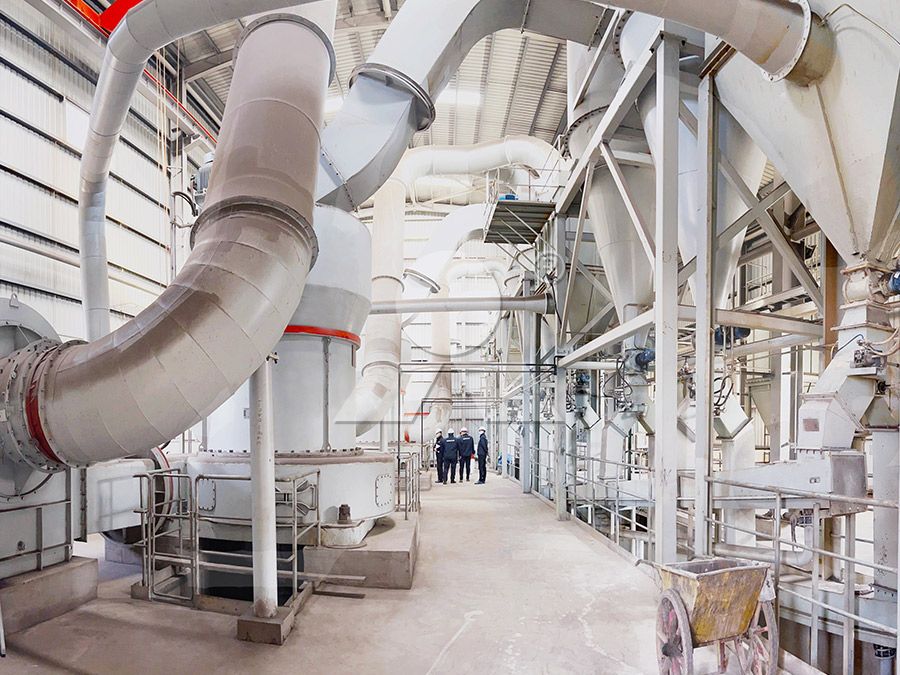
Modern mills address these issues head-on by integrating sophisticated equalization techniques. Features like intelligent grinding curves, precise air classifiers, and automated control systems work in concert to maintain a steady-state operation. For instance, the MW Ultrafine Grinding Mill is a standout example of this evolution. Designed for customers needing ultra-fine powder, its cage-type powder selector, leveraging German technology, dramatically increases separation precision. The product fineness is adustable between 325-2500 meshes, achieving a remarkable d97≤5μm in a single pass. This level of control is impossible with conventional, less sophisticated machinery. Its design, devoid of rolling bearings and screws in the grinding chamber, eliminates common failure points and ensures consistent operation, directly contributing to a superior PSD.
Beyond Ultrafine: Versatility in Milling
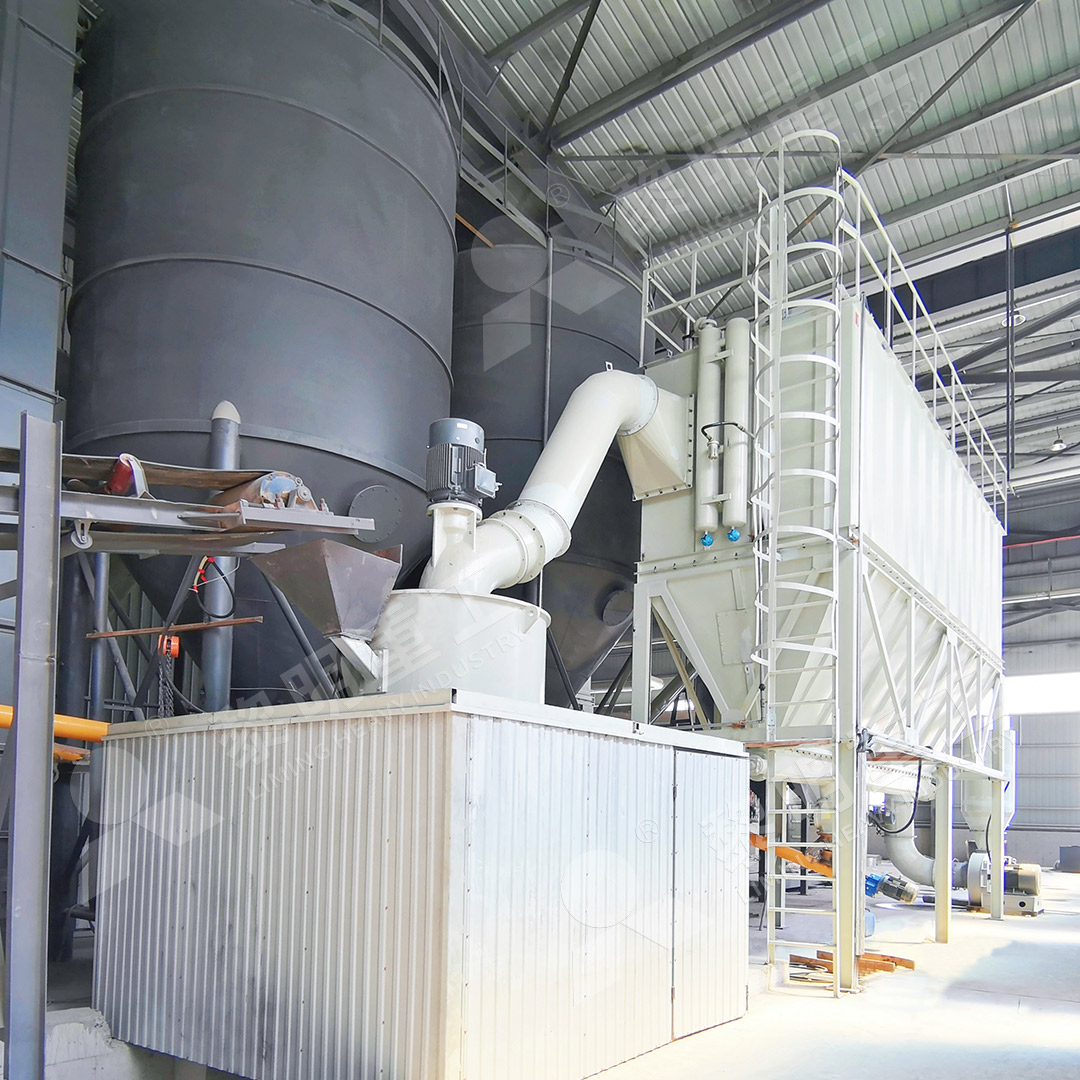
While the MW series excels in the ultra-fine range, other applications demand different solutions. For larger capacity needs and slightly coarser materials, the LM Vertical Grinding Mill offers a comprehensive solution. It integrates crushing, drying, grinding, classifying, and conveying into a single, compact unit. Its occupational area is about 50% of a ball mill system, and it saves 30%-40% in energy consumption. The short grinding time and minimal direct contact between grinding rollers and the millstone significantly reduce iron contamination and prevent over-grinding, leading to a more consistent and pure product output. This is another form of equalization—optimizing the entire process flow to minimize variables that disrupt PSD.
Ultimately, optimizing particle size distribution is not a matter of simply running a mill harder or longer. It is an engineering challenge solved by precision, control, and intelligent design. By moving beyond conventional milling limitations and embracing advanced technologies that promote operational equalization, producers can achieve significant gains in efficiency, product quality, and profitability. The right mill isn’t just a piece of equipment; it’s the heart of a optimized production system.