
Aluminium Rolling Mill Equipment Price and Cost Analysis for 2024
We provide a wide range of mills — including Raymond mill, trapezoidal mill, vertical mill, ultrafine mill, and ball mill, obtained ISO9001 international quality certification, EU CE certification, and Customs Union CU-TR certification. Suitable for processing minerals such as limestone, phosphate, quicklime, kaolin, talc, barite, bentonite, calcium carbonate, dolomite, coal, gypsum, clay, carbon black, slag, cement raw materials, cement clinker, and more.
The discharge range of these mills can be adjusted to meet specific processing needs, typically from 80-400 mesh, 600-3250 mesh, and can achieve the finest particle size of up to 6000 mesh(D50).
If you are looking for a reliable grinding solution to turn stone or minerals into fine powder, please feel free to contact our online customer service.
Aluminium Rolling Mill Equipment Price and Cost Analysis for 2024
The global aluminium market continues to expand, driving increased demand for efficient rolling mill equipment. As we move through 2024, several factors are influencing equipment pricing and operational costs for aluminium producers. Understanding these trends is crucial for making informed capital expenditure decisions.
Market Overview and Pricing Trends
Current market analysis indicates a 5-8% overall price increase for rolling mill equipment compared to 2023 figures. This upward trend is primarily attributed to rising raw material costs, increased energy expenses, and supply chain complexities. Advanced computerized control systems and automation features have added approximately 10-15% to base equipment prices but offer significant long-term operational savings.
Mid-capacity rolling mills (50,000-100,000 tons annually) currently range between $2.5-4.5 million depending on specifications, while high-capacity systems can exceed $8 million. The ROI period for new installations typically spans 3-5 years, considering improved efficiency and reduced maintenance requirements.
Key Cost Factors
Several elements contribute to the total cost of ownership:
- Energy Consumption: Accounts for 35-40% of operational costs
- Maintenance: Preventive maintenance programs reduce downtime by up to 30%
- Labor: Automated systems have reduced staffing requirements by 25%
- Tooling and Spares: Annual expenditure typically represents 2-3% of initial equipment cost
Grinding Solutions for Supporting Equipment
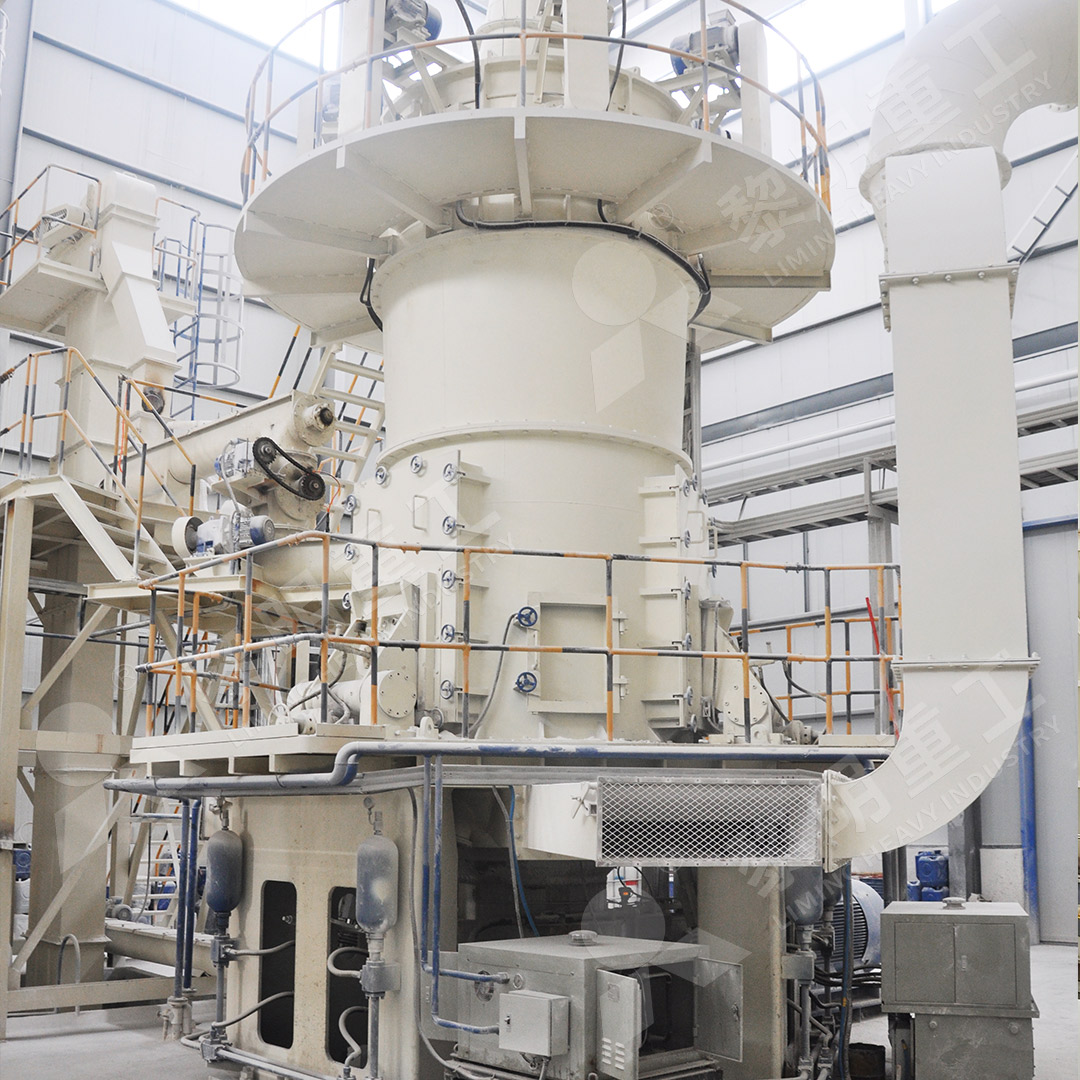
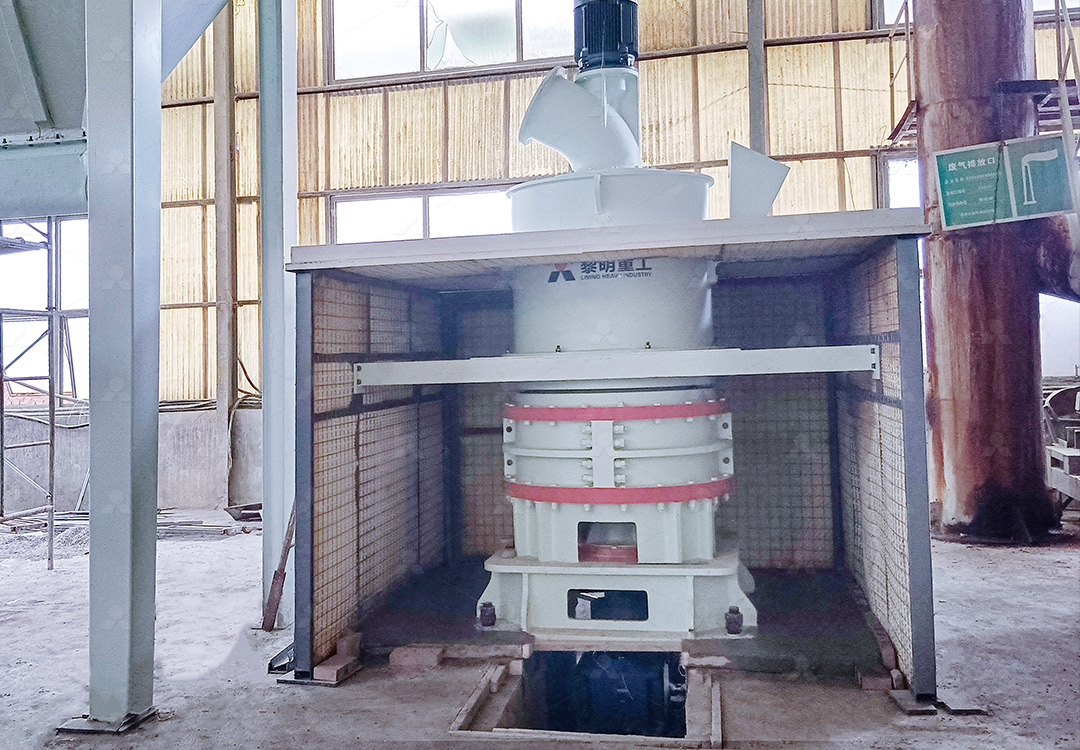
While not directly part of rolling mills, grinding equipment plays a crucial role in maintaining rollers and supporting components. For operations requiring ultra-fine powder production for specialized applications, we particularly recommend our MW Ultrafine Grinding Mill. This machine features:
- Input Size: 0-20 mm
- Capacity: 0.5-25 tph
- Adjustable fineness between 325-2500 meshes
- 30% lower energy consumption compared to jet grinding mills
- No rolling bearings or screws in grinding chamber
- Efficient pulse dust collector for eco-friendly operation
The MW Ultrafine Grinding Mill is particularly valuable for operations producing specialized aluminium compounds or processing recycled materials where precise particle size distribution is critical.
Operational Efficiency Considerations
Modern rolling mills increasingly incorporate Industry 4.0 technologies, with IoT sensors and predictive maintenance capabilities adding 15-20% to initial costs but reducing unplanned downtime by up to 45%. The integration of AI-driven quality control systems has shown particular promise in aluminium rolling applications, detecting defects earlier in the production process.
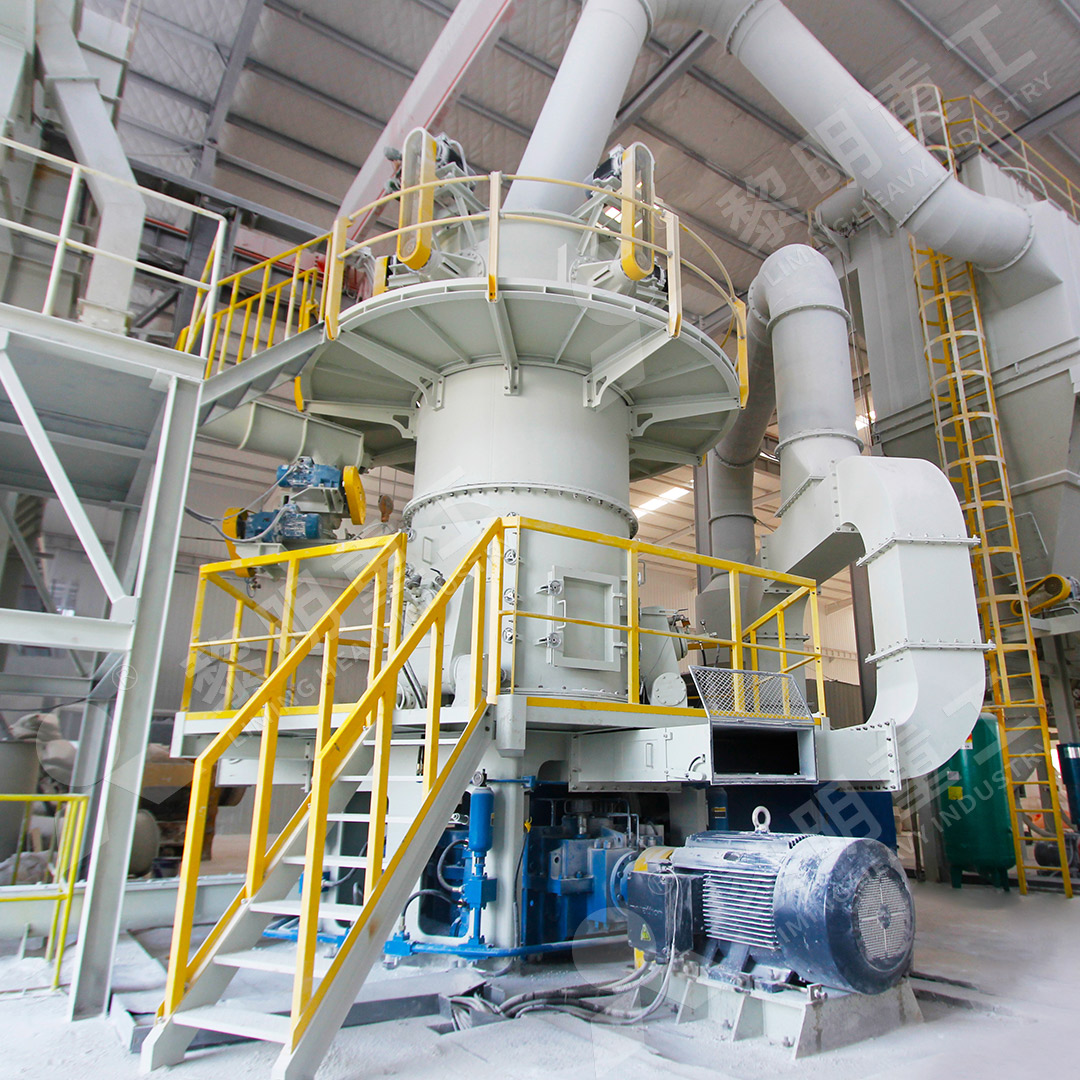
For operations requiring vertical grinding solutions, our LUM Ultrafine Vertical Grinding Mill offers exceptional performance with:
- Input Size: 0-10 mm
- Capacity: 5-18 tph
- Higher yielding rate and better quality output
- 30-50% energy reduction compared to conventional mills
- Double position-limiting technology for stable operation
- Reversible structure for easier maintenance
2024 Outlook and Recommendations
Equipment prices are expected to stabilize in the latter half of 2024 as supply chain pressures ease. However, the trend toward more sophisticated, energy-efficient systems will continue to push premium equipment prices upward. Companies should consider total cost of ownership rather than initial purchase price alone, as energy-efficient models can provide substantial savings over their operational lifespan.
When selecting grinding equipment for supporting operations, prioritize systems with low energy consumption, easy maintenance access, and advanced dust collection capabilities to meet increasingly stringent environmental regulations.
Investing in modern, efficient equipment remains the most effective strategy for aluminium producers seeking to maintain competitiveness in an evolving market. The right capital investments today will yield significant operational advantages throughout the equipment lifecycle.