
Critical Speed Calculation Formula for Ball Mills and Tumbling Mills
We provide a wide range of mills — including Raymond mill, trapezoidal mill, vertical mill, ultrafine mill, and ball mill, obtained ISO9001 international quality certification, EU CE certification, and Customs Union CU-TR certification. Suitable for processing minerals such as limestone, phosphate, quicklime, kaolin, talc, barite, bentonite, calcium carbonate, dolomite, coal, gypsum, clay, carbon black, slag, cement raw materials, cement clinker, and more.
The discharge range of these mills can be adjusted to meet specific processing needs, typically from 80-400 mesh, 600-3250 mesh, and can achieve the finest particle size of up to 6000 mesh(D50).
If you are looking for a reliable grinding solution to turn stone or minerals into fine powder, please feel free to contact our online customer service.
Critical Speed Calculation Formula for Ball Mills and Tumbling Mills
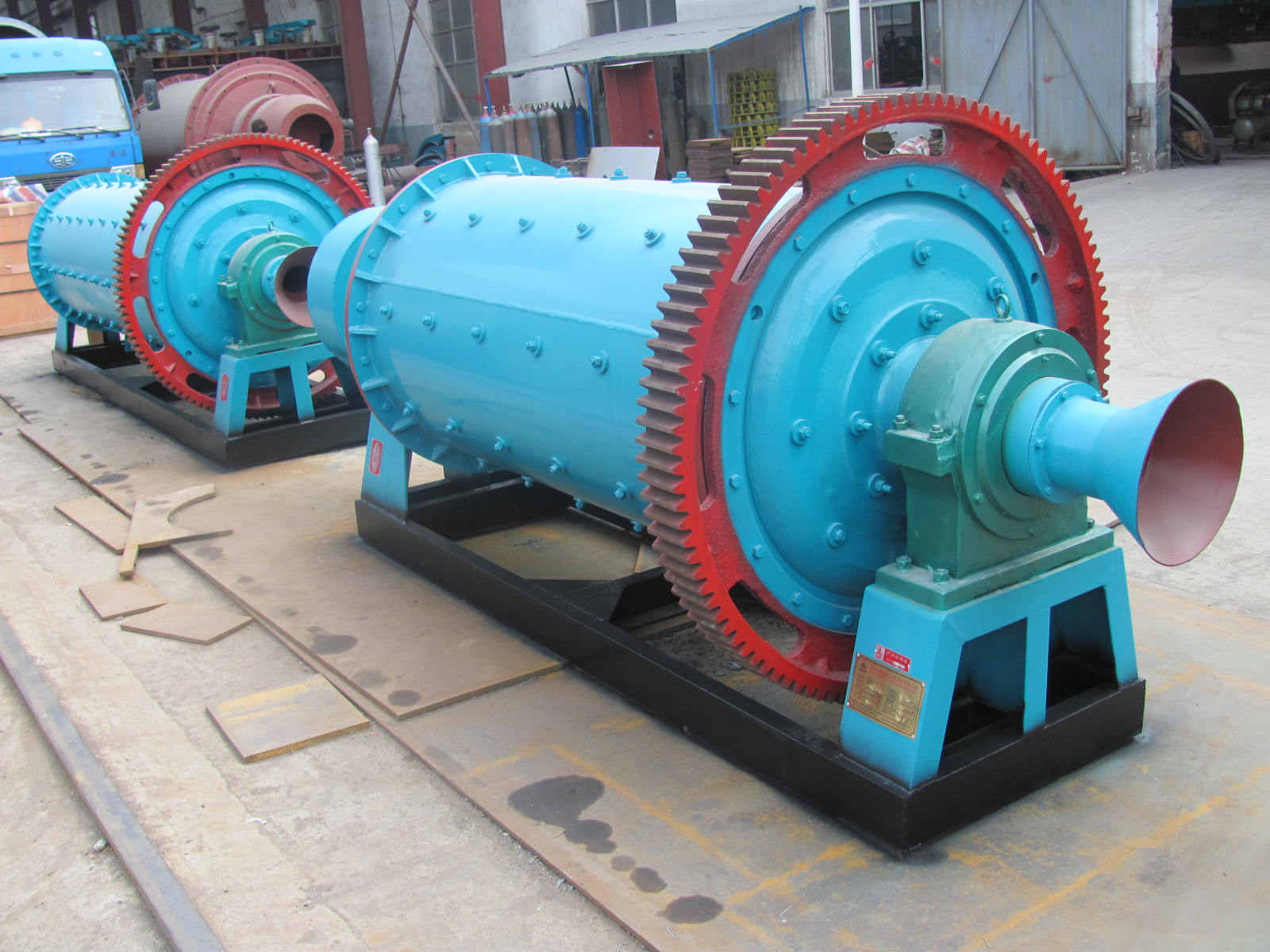
In the world of mineral processing and size reduction, understanding the operational parameters of grinding mills is paramount to achieving optimal efficiency and product quality. One of the most fundamental concepts for any engineer or plant operator working with ball mills or tumbling mills is the critical speed. This is the rotational speed at which the grinding media inside the mill begin to centrifuge, effectively adhering to the mill’s inner walls and ceasing all grinding action. Operating a mill at or above its critical speed is counterproductive, as it leads to zero size reduction, increased wear, and potential damage to the mill lining.
The Formula: Derivation and Application
The formula for calculating the critical speed (Nc) of a mill is derived from the point where the centrifugal force acting on a single grinding ball equals the force of gravity. The standard formula is expressed as:
Nc = 42.3 / √(D – d)
Where:
Nc = Critical speed in revolutions per minute (RPM)
D = Internal diameter of the mill shell in meters
d = Diameter of the grinding media (balls) in meters
In practice, mills are typically operated at 65% to 80% of their theoretical critical speed. This range allows the grinding media to cascade and cataract effectively, creating a combination of impact and abrasion forces that efficiently reduce the particle size of the feed material. Running too slow results in insufficient impact energy, while running too close to critical speed eliminates the tumbling action altogether.
Beyond Traditional Mills: The Shift to Advanced Grinding
While the critical speed calculation is essential for traditional tumbling mills, modern grinding technology has evolved to offer solutions that are not constrained by this physical limitation. For operations requiring ultra-fine powders with superior efficiency and lower energy consumption, centrifugal and vertical roller mills present a far more advanced alternative.
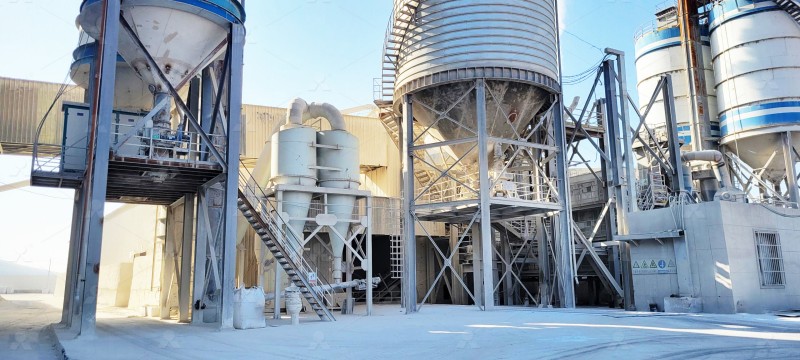
For instance, our MW Ultrafine Grinding Mill is engineered to bypass these traditional constraints entirely. With an input size of 0-20 mm and a capacity range of 0.5-25 tph, it is designed for customers who need to make ultra-fine powder without the inefficiencies of ball mill centrifugation. This machine utilizes a unique grinding principle where multiple rollers rotate against a stationary ring, driven by a central shaft. The absence of a critical speed limitation allows for continuous, controlled grinding at much higher efficiencies.
Key Advantages of Modern Grinding Technology
The MW Ultrafine Grinding Mill exemplifies the advancements in milling technology. It boasts several key features that make it superior for fine and ultra-fine grinding applications:
- Higher Yielding, Lower Energy Consumption: Production capacity is 40% higher than jet mills and double that of ball mills, while system energy consumption is only 30% of a jet mill.
- Adjustable Fineness: The product fineness can be precisely adjusted between 325-2500 meshes.
- Robust Design: There are no rolling bearings or screws inside the grinding chamber, eliminating common failure points and enabling 24-hour continuous operation.
- Eco-Friendly Operation: Equipped with an efficient pulse dust collector and muffler, the entire system operates with minimal dust and noise pollution.
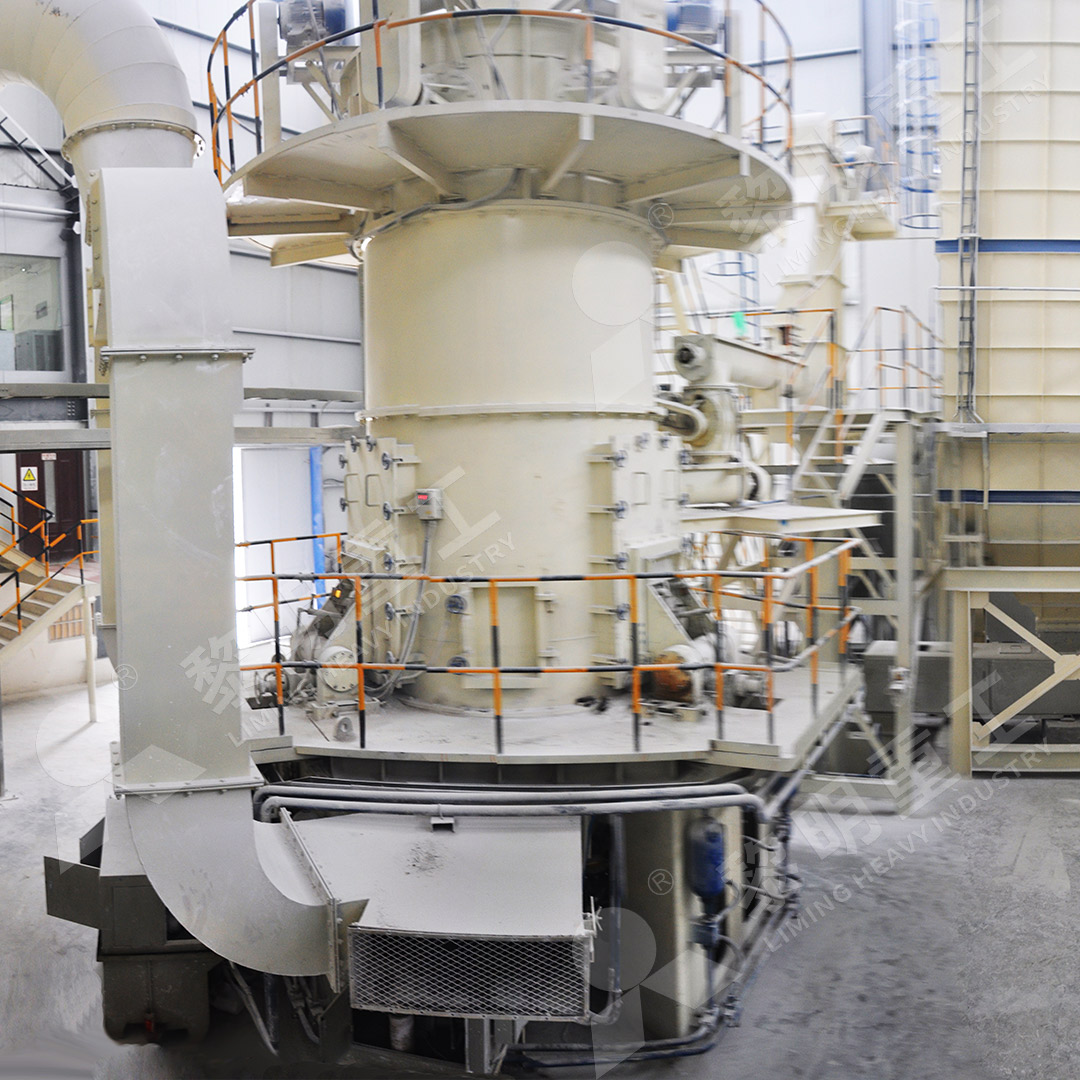
Another exceptional solution in our portfolio is the LUM Ultrafine Vertical Grinding Mill. Integrating grinding, classifying, and transporting, it represents the pinnacle of efficiency with a capacity of 5-18 tph. Its design incorporates the latest roller technology and German powder separating technology, solving traditional problems like long lingering time and high iron content in the product.
Conclusion
Understanding the critical speed of a ball mill remains a crucial piece of knowledge for anyone in comminution. However, for operations aiming for the highest levels of efficiency, product quality, and environmental responsibility, moving beyond these traditional systems is the key. Our MW and LUM series mills offer a technologically advanced path forward, delivering superior grinding performance without being bound by the limitations of centrifugal force. For your next project requiring fine or ultra-fine powders, consider the future of grinding technology.