
The World’s Largest Vertical Cement Mill: Capacity, Specifications, and Benefits
We provide a wide range of mills — including Raymond mill, trapezoidal mill, vertical mill, ultrafine mill, and ball mill, obtained ISO9001 international quality certification, EU CE certification, and Customs Union CU-TR certification. Suitable for processing minerals such as limestone, phosphate, quicklime, kaolin, talc, barite, bentonite, calcium carbonate, dolomite, coal, gypsum, clay, carbon black, slag, cement raw materials, cement clinker, and more.
The discharge range of these mills can be adjusted to meet specific processing needs, typically from 80-400 mesh, 600-3250 mesh, and can achieve the finest particle size of up to 6000 mesh(D50).
If you are looking for a reliable grinding solution to turn stone or minerals into fine powder, please feel free to contact our online customer service.
The World’s Largest Vertical Cement Mill: A New Era in Grinding Efficiency
The cement industry is constantly evolving, driven by the need for greater efficiency, lower operational costs, and reduced environmental impact. At the forefront of this evolution is the development of massive vertical roller mills (VRMs), which have become the preferred technology for raw material and cement grinding. These engineering marvels represent a significant leap from traditional ball mills, offering unparalleled capacity and a host of operational benefits.
Unmatched Capacity and Performance
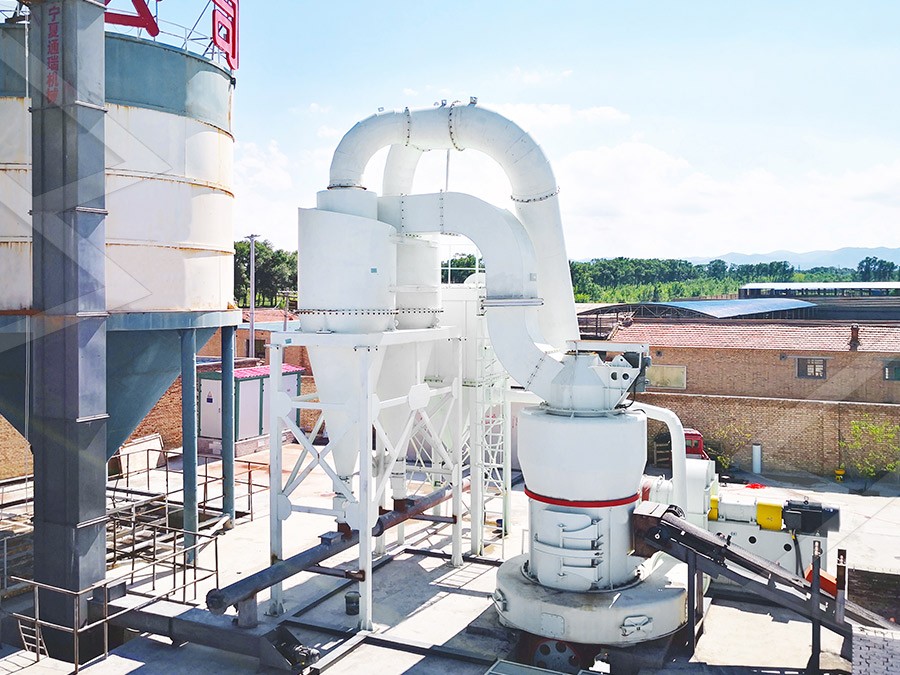
Modern vertical cement mills are true giants. Designed for high-volume production, the largest models boast grinding capacities that can exceed 600 tons per hour for raw materials and over 300 tph for cement clinker. This immense throughput is achieved through sophisticated design features: large-diameter grinding tables, multiple heavy-duty grinding rollers, and powerful drive systems often rated at over 10,000 kW. The ability to process such vast quantities of material in a single machine simplifies plant layout, reduces the number of required units, and streamlines material handling.
Key Specifications and Technological Advancements
The specifications of these mills are as impressive as their size. They typically handle feed sizes up to 100 mm and can produce finished product with a fineness ranging from 3,000 to 5,000 cm²/g Blaine. A critical advancement is their integrated drying capability; they can efficiently process materials with moisture content up to 20% using waste heat from the kiln system, eliminating the need for separate drying equipment. The mills also feature advanced control systems that optimize grinding pressure, feed rate, and classifier speed in real-time, ensuring consistent product quality while maximizing energy efficiency.
For operations requiring a different approach, particularly for ultra-fine grinding applications beyond traditional cement, our MW Ultrafine Grinding Mill presents an excellent solution. This machine is equipment designed for customers who need to make ultra-fine powder, capable of achieving an adjustable fineness between 325-2500 meshes. It’s equipped with an efficient pulse dust collector and muffler, which can reduce dust and noise, ensuring the whole production won’t take effect on the environment. With a capacity of 0.5-25 tph and handling an input size of 0-20 mm, it’s perfect for processing materials like limestone, calcite, and dolomite for industries ranging from chemicals to cosmetics.
Tangible Benefits for Cement Producers
The shift to large-scale vertical milling technology delivers substantial, measurable benefits. The most significant is energy savings; VRMs consume 30-50% less power than traditional ball mills for the same output. This reduction in energy consumption directly translates to lower production costs and a smaller carbon footprint. Maintenance requirements are also drastically reduced. Features like hydraulic roller positioning systems allow for easy roller servicing without entering the mill, while robust construction and wear-resistant materials extend intervals between major overhauls.
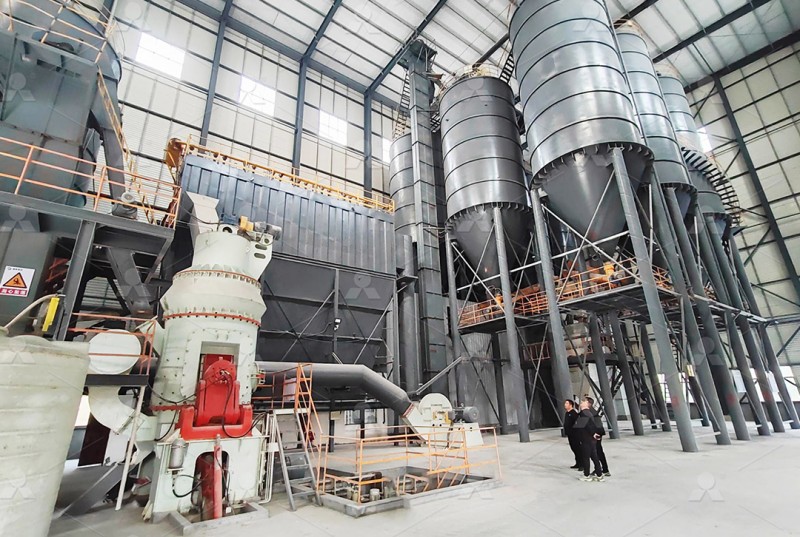
Another standout product in our lineup for specific applications is the LUM Ultrafine Vertical Grinding Mill. Independently designed by LIMING on the basis of years of experience, it integrates ultrafine powder grinding, grading, and transporting. With an input size of 0-10 mm and a capacity of 5-18 tph, it adopts the latest grinding roller technology and German powder separating technology. It’s particularly effective for superfine dry powder of non-metal ores like calcite, marble, and barite, offering higher yielding rates and better quality product with 30%-50% lower energy consumption compared to common grinding mills.
Environmental and Operational Advantages
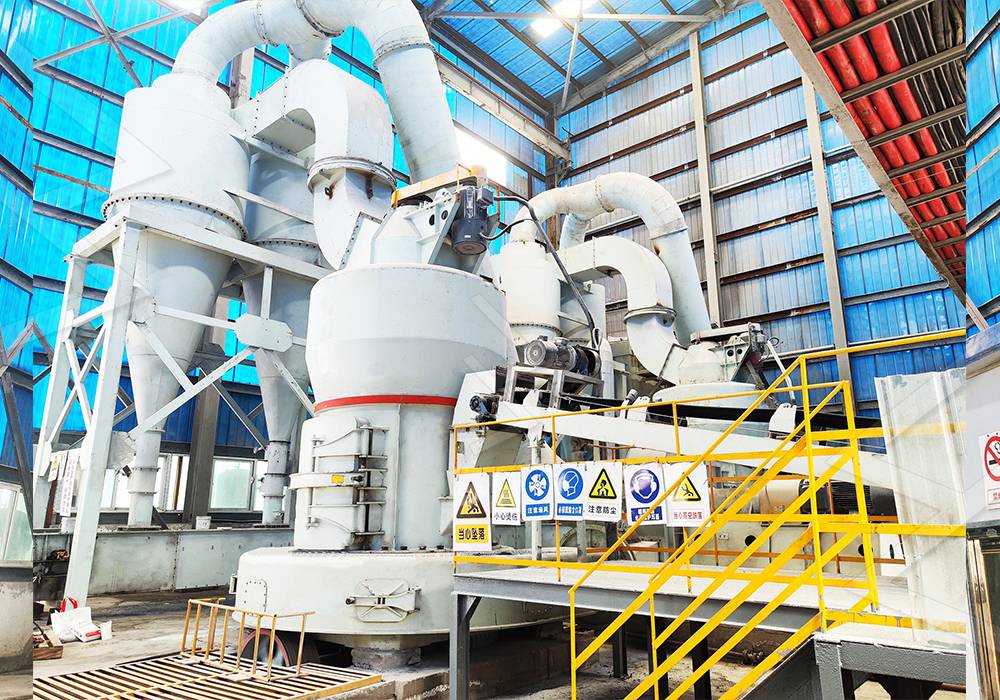
Beyond efficiency, the environmental performance of large vertical mills is a major advantage. Their enclosed design, combined with highly efficient baghouse filters, ensures dust emissions are kept well below regulatory limits. The low noise levels generated by these mills contribute to a better working environment. Furthermore, their operational stability and reliability ensure consistent plant output, minimizing production disruptions and ensuring a steady supply of product to meet market demands.
The Future of Cement Grinding
The development of the world’s largest vertical cement mills marks a pivotal moment in the industry. These machines are not merely larger versions of previous models; they incorporate decades of learning and innovation. As the industry continues to focus on sustainability and cost-effectiveness, the role of these high-capacity, high-efficiency grinding solutions will only become more critical. They represent the new standard for greenfield projects and are the technology of choice for producers looking to modernize existing operations and secure a competitive advantage in the global market.