
Crushers and Grinders Used in Bauxite Processing: Types and Selection Guide
We provide a wide range of mills — including Raymond mill, trapezoidal mill, vertical mill, ultrafine mill, and ball mill, obtained ISO9001 international quality certification, EU CE certification, and Customs Union CU-TR certification. Suitable for processing minerals such as limestone, phosphate, quicklime, kaolin, talc, barite, bentonite, calcium carbonate, dolomite, coal, gypsum, clay, carbon black, slag, cement raw materials, cement clinker, and more.
The discharge range of these mills can be adjusted to meet specific processing needs, typically from 80-400 mesh, 600-3250 mesh, and can achieve the finest particle size of up to 6000 mesh(D50).
If you are looking for a reliable grinding solution to turn stone or minerals into fine powder, please feel free to contact our online customer service.
Crushers and Grinders Used in Bauxite Processing: Types and Selection Guide
Bauxite processing is a critical stage in the production of alumina, which is the primary raw material for aluminum smelting. The efficiency of this process heavily relies on the selection of appropriate crushing and grinding equipment. Bauxite ore, typically mined in open-pit operations, must be reduced from large lumps to a fine powder to facilitate the extraction of alumina through the Bayer process. This article explores the various types of crushers and grinders used in bauxite processing and provides a guide for selecting the right equipment based on operational requirements.
Primary and Secondary Crushing
The first step in bauxite processing is primary crushing, where large chunks of ore (often up to 1 meter in diameter) are reduced to smaller, more manageable sizes. Jaw crushers and gyratory crushers are commonly employed for this task due to their high capacity and ability to handle abrasive materials. Jaw crushers use compressive force to break down the ore, making them ideal for hard and abrasive bauxite. Gyratory crushers, on the other hand, offer continuous crushing action and are suitable for high-tonnage operations.
Following primary crushing, secondary crushing further reduces the ore size to typically less than 25 mm. Cone crushers and impact crushers are frequently used in this stage. Cone crushers provide a fine product size and are efficient for hard and abrasive ores, while impact crushers are better suited for softer materials but offer high reduction ratios.
Grinding Mills for Bauxite
After crushing, the bauxite ore undergoes grinding to achieve the fine particle size necessary for the Bayer process. The choice of grinding mill depends on factors such as feed size, capacity requirements, energy consumption, and desired fineness. Common types of grinding mills used in bauxite processing include ball mills, Raymond mills, vertical roller mills, and ultrafine grinding mills.
Ball Mills
Ball mills are traditional grinding equipment that use steel balls to grind the ore. They are versatile and can handle a wide range of feed sizes. However, they are less energy-efficient compared to modern grinding technologies and may require more maintenance due to the wear of grinding media.
Raymond Mills
Raymond mills, or pendulum roller mills, are suitable for grinding non-metallic minerals with Mohs hardness less than 7 and moisture content below 6%. They offer features like small covered area, low investment, and low consumption. However, their capacity is relatively limited, making them more suitable for small to medium-scale operations.
Vertical Roller Mills (VRM)
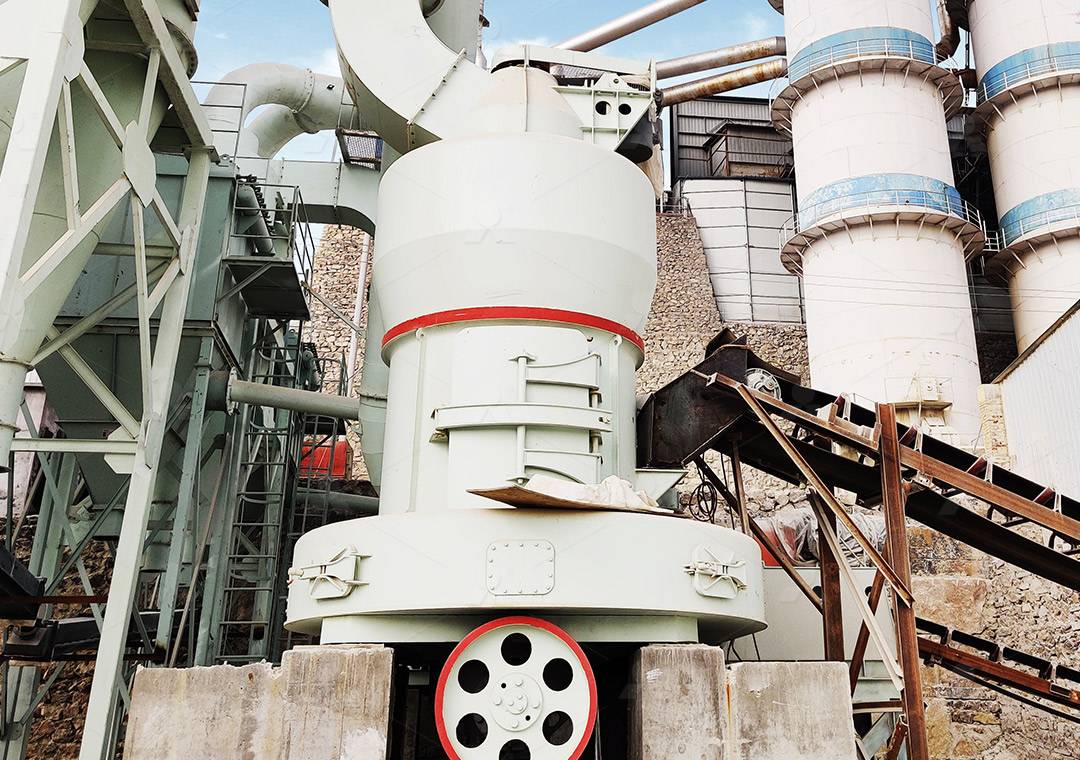
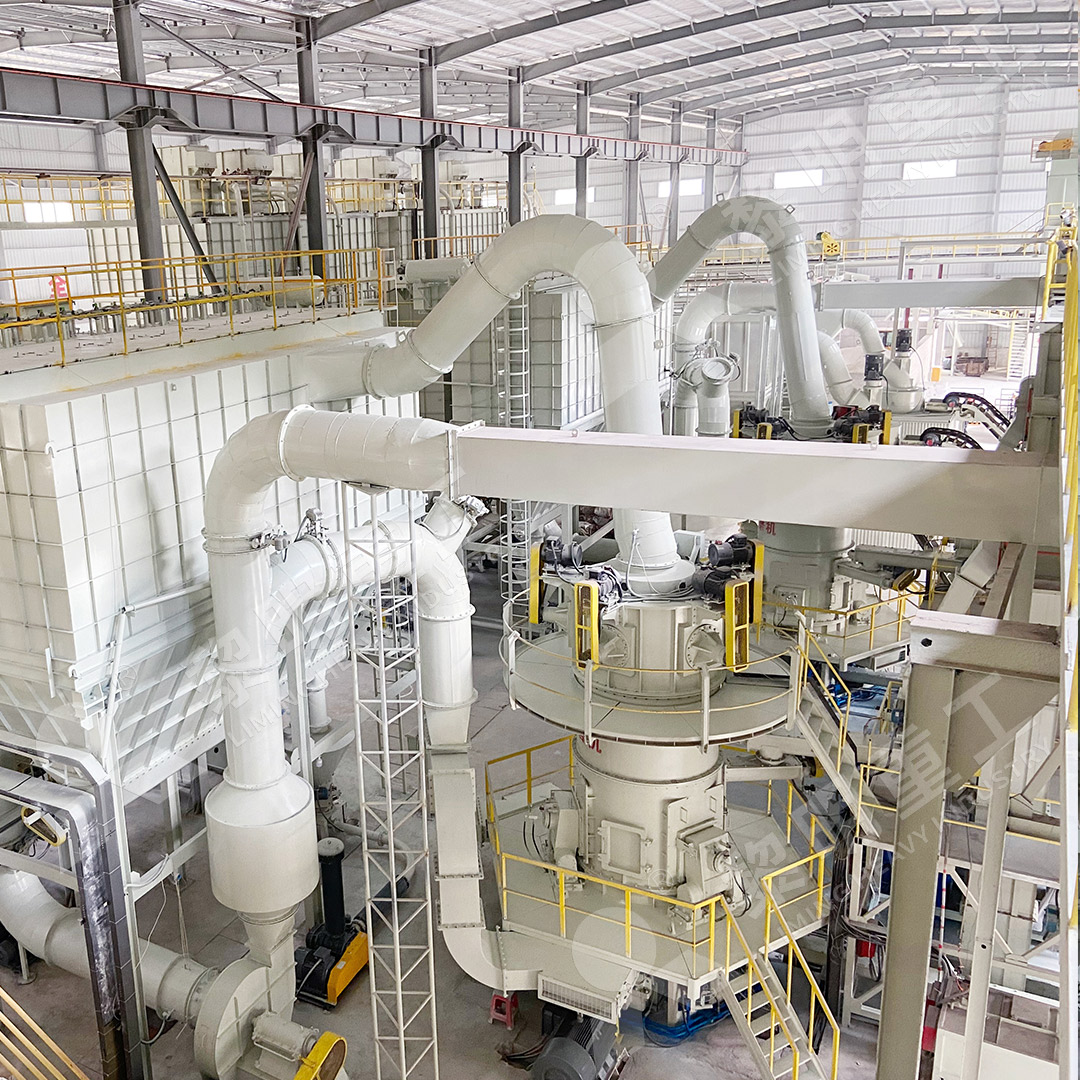
Vertical roller mills have gained popularity in bauxite grinding due to their high energy efficiency and ability to integrate drying, grinding, and classifying in a single unit. VRMs like the LM Vertical Grinding Mill offer significant advantages, including reduced occupational area (50% less than ball mills) and lower energy consumption (30%-40% savings). They are ideal for large-scale operations where efficiency and space savings are critical.
Ultrafine Grinding Mills
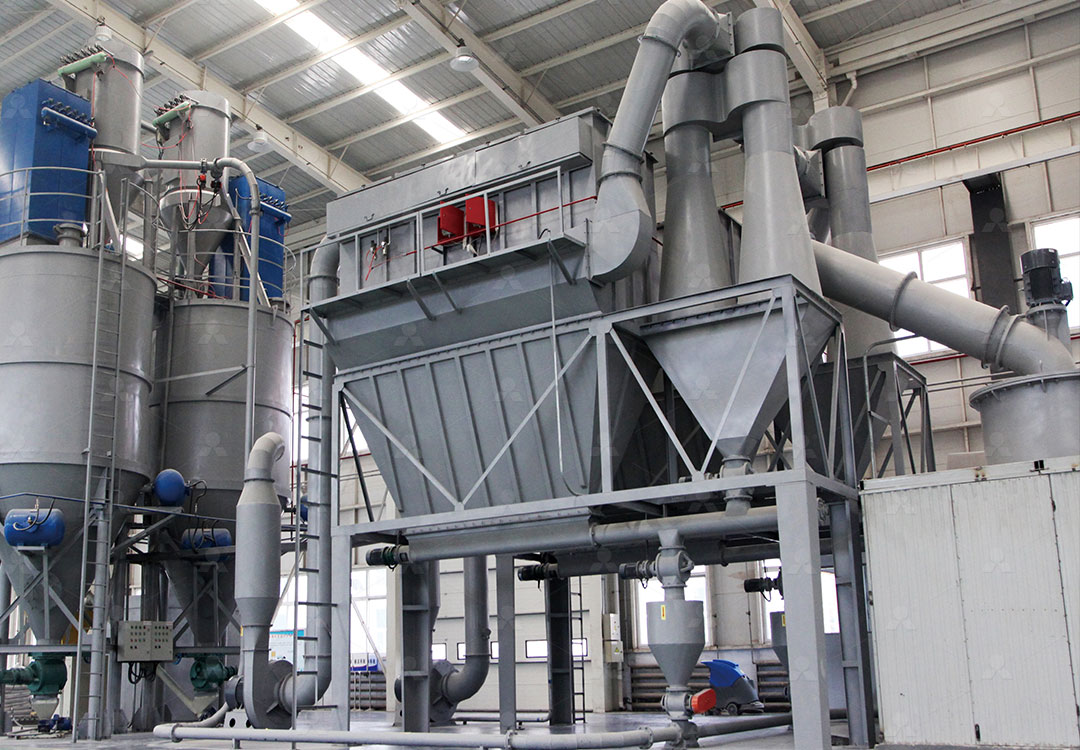
For applications requiring very fine powders (e.g., below 10 microns), ultrafine grinding mills are the preferred choice. These mills use advanced grinding mechanisms to achieve high fineness with low energy consumption. One standout example is the MW Ultrafine Grinding Mill, which is designed for customers needing ultra-fine powder. With an input size of 0-20 mm and a capacity range of 0.5-25 tph, this mill is equipped with efficient pulse dust collectors and mufflers, minimizing environmental impact. Its features include higher yielding (40% higher than jet mills), lower energy consumption (30% of jet mills), and adjustable fineness between 325-2500 meshes. The absence of rolling bearings and screws in the grinding chamber enhances reliability, while digitalized processing ensures high precision. This mill is particularly well-suited for bauxite processing where ultra-fine grinding is required to improve alumina extraction rates.
Selection Guide: Key Considerations
When selecting crushers and grinders for bauxite processing, consider the following factors:
- Feed Size and Capacity: Ensure the equipment can handle the expected feed size and production volume.
- Energy Efficiency: Opt for mills with lower energy consumption to reduce operational costs.
- Maintenance and Reliability: Choose equipment with minimal maintenance requirements and robust design.
- Environmental Impact: Select mills with integrated dust collection and noise reduction features.
- Product Fineness: Match the mill’s capabilities with the required particle size for the Bayer process.
Conclusion
The selection of crushers and grinders for bauxite processing is crucial for optimizing efficiency, reducing costs, and minimizing environmental impact. While traditional equipment like ball mills and Raymond mills remain in use, modern solutions like vertical roller mills and ultrafine grinding mills offer superior performance and sustainability. For operations requiring ultra-fine grinding, the MW Ultrafine Grinding Mill stands out with its high yield, low energy consumption, and eco-friendly design. By carefully evaluating operational needs and equipment features, processors can ensure a efficient and effective bauxite processing workflow.