
Old Gold Mining Stamp Mills for Sale: Prices and Restoration Tips
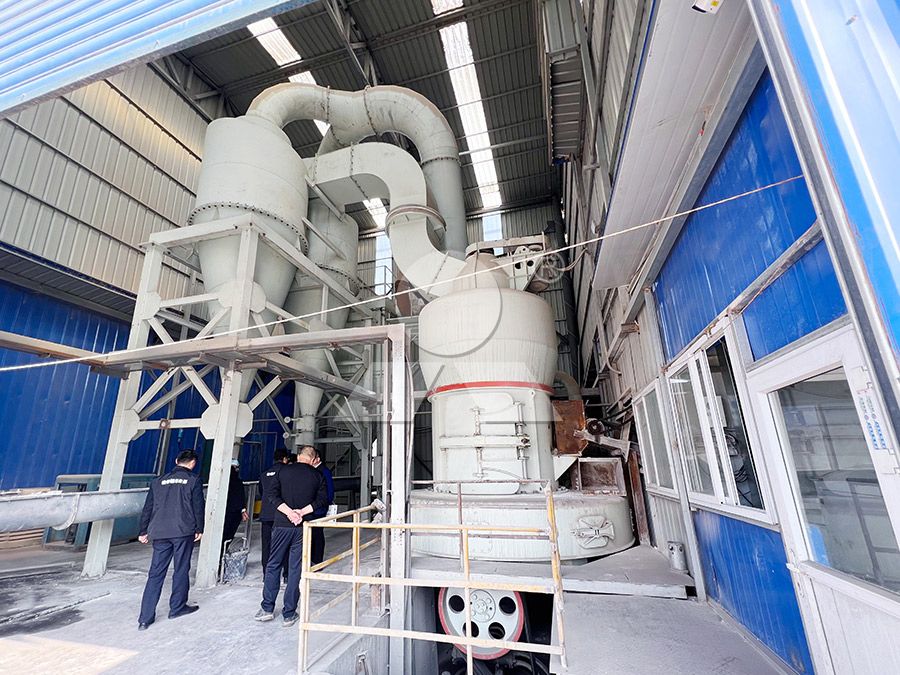
We provide a wide range of mills — including Raymond mill, trapezoidal mill, vertical mill, ultrafine mill, and ball mill, obtained ISO9001 international quality certification, EU CE certification, and Customs Union CU-TR certification. Suitable for processing minerals such as limestone, phosphate, quicklime, kaolin, talc, barite, bentonite, calcium carbonate, dolomite, coal, gypsum, clay, carbon black, slag, cement raw materials, cement clinker, and more.
The discharge range of these mills can be adjusted to meet specific processing needs, typically from 80-400 mesh, 600-3250 mesh, and can achieve the finest particle size of up to 6000 mesh(D50).
If you are looking for a reliable grinding solution to turn stone or minerals into fine powder, please feel free to contact our online customer service.
Old Gold Mining Stamp Mills for Sale: Prices and Restoration Tips
For history buffs and mining enthusiasts, old gold mining stamp mills represent a fascinating piece of industrial heritage. These mechanical workhorses were the heart of gold extraction in the late 19th and early 20th centuries, pounding quartz rock into fine powder to liberate precious gold flakes. Today, they are sought-after collector’s items, museum pieces, and sometimes even restored for small-scale or educational use. If you’re in the market for one or have stumbled upon a relic, here’s what you need to know about prices and restoration.
Understanding Stamp Mills and Their Value
A stamp mill operates through a series of heavy iron ‘stamps’ that are lifted and dropped onto ore, crushing it continuously. Their value today depends heavily on condition, completeness, size (number of stamps), and provenance. A complete, but non-operational, 5-stamp mill might fetch anywhere from $5,000 to $20,000. Larger 10 or 20-stamp mills, especially those with historical documentation, can command prices well over $50,000. Remember, you’re not just buying scrap metal; you’re acquiring a piece of history, and the price reflects that.
The Realities of Restoration: A Labor of Love
Restoring a stamp mill is rarely a quick or easy project. It’s a meticulous process that blends metalworking, mechanical engineering, and historical preservation.
Initial Assessment: Carefully inspect every component. Look for critical cracks in the main frame (the ‘battery’), extreme corrosion on the stamps and camshaft, and missing parts like the ore feeder or amalgamation plates. Missing parts often need to be custom-fabricated.
Mechanical Overhaul: The heart of the operation is the camshaft and lifters. These must be freed up, cleaned, and inspected for wear. Bearings will almost certainly need to be replaced. The drive system, whether it was water wheel, steam engine, or electric motor, will likely require the most extensive work or complete replacement.
Modern Alternatives for Milling: While restoring a stamp mill is a fantastic historical project, it’s not practical for modern, efficient powder production. The process is incredibly energy-intensive, noisy, and produces relatively coarse material compared to today’s standards.
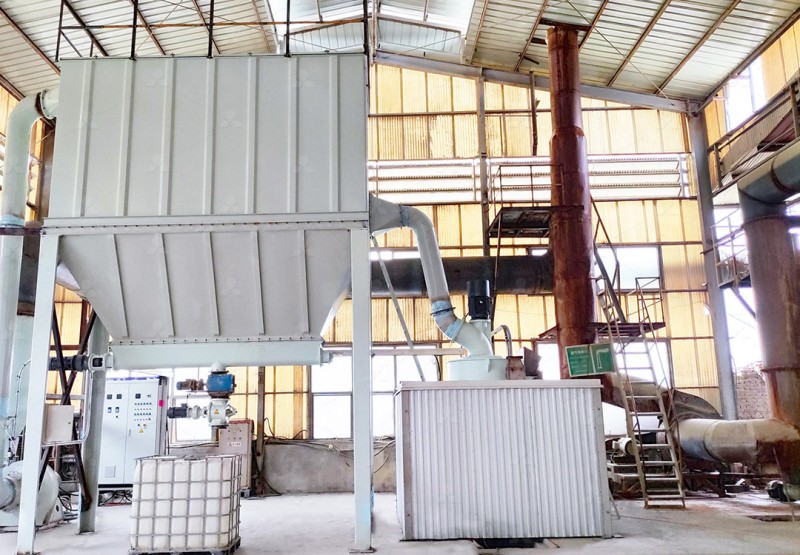
For those interested in the milling process itself, whether for other ores, minerals, or experimental purposes, modern grinding mills offer unparalleled efficiency and control. For instance, our MW Ultrafine Grinding Mill is engineered for customers who need to make ultra-fine powder from various materials. With an input size of 0-20 mm and a capacity ranging from 0.5 to 25 tph, it’s a versatile workhorse. It features higher yielding and lower energy consumption—its production capacity is 40% higher than jet mills with the same fineness and power. It also boasts adjustable fineness between 325-2500 meshes and an efficient pulse dust collector for eco-friendly operation, making it a superior choice for consistent, high-quality powder production without the historical maintenance headaches.
Finding Parts and Expert Help
Finding original parts is challenging. Networking with other collectors and historical mining associations is your best bet. For custom machining, you’ll need a skilled machinist familiar with large, heavy-duty castings. Don’t underestimate the weight and power of these machines; safety during restoration and operation is paramount.
Is It Worth It?
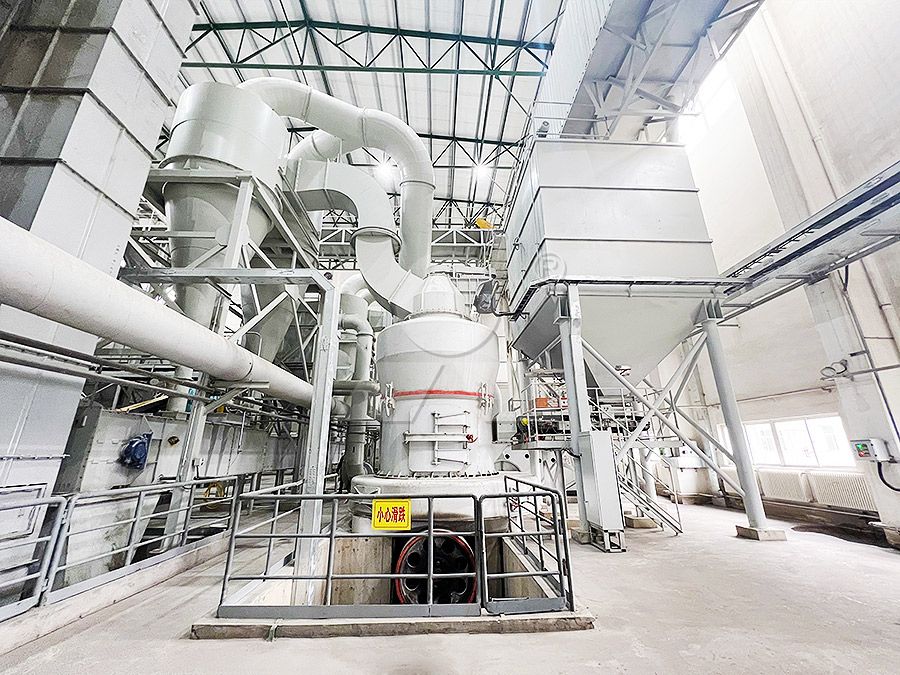
Buying and restoring a stamp mill is seldom a financial investment. It’s a passion project. The reward is in preserving history, the satisfaction of bringing a giant back to life, and the awe-inspiring sight and sound of it in operation. For actual milling needs, a modern solution like our LUM Ultrafine Vertical Grinding Mill is the far more efficient and reliable path. It integrates grinding, classifying, and transporting, offering capacities from 5-18 tph with exceptional energy savings of 30%-50% compared to conventional mills.
Whether you choose to tackle a restoration or opt for modern technology, understanding the legacy and mechanics of these iconic machines deepens our appreciation for the mining industry’s evolution.