Main Function of a Ball Mill in Copper Ore Processing
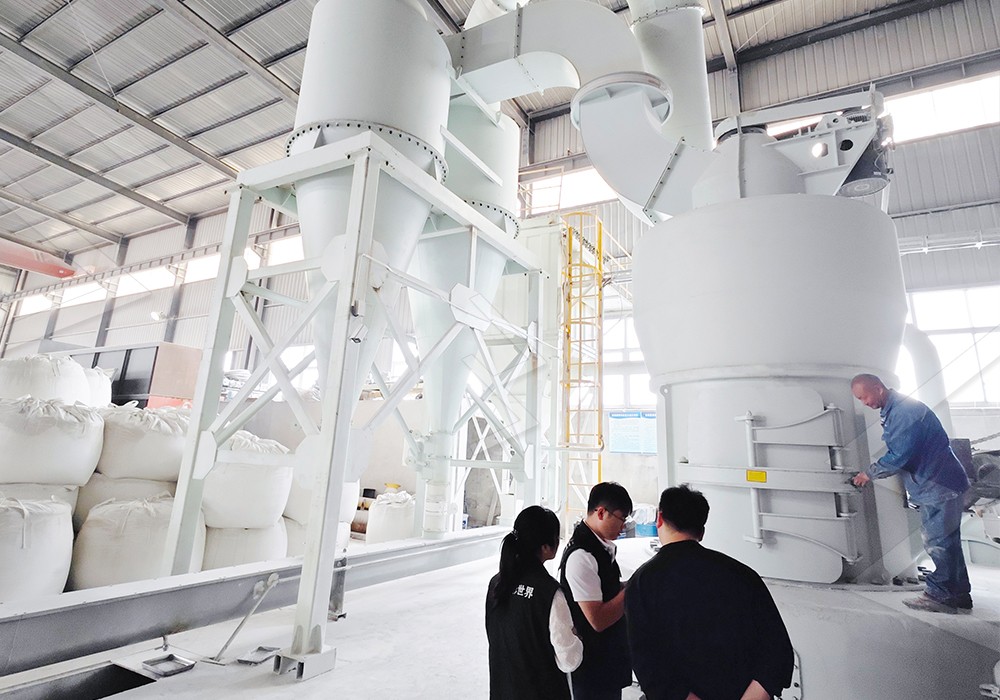
We provide a wide range of mills — including Raymond mill, trapezoidal mill, vertical mill, ultrafine mill, and ball mill, obtained ISO9001 international quality certification, EU CE certification, and Customs Union CU-TR certification. Suitable for processing minerals such as limestone, phosphate, quicklime, kaolin, talc, barite, bentonite, calcium carbonate, dolomite, coal, gypsum, clay, carbon black, slag, cement raw materials, cement clinker, and more.
The discharge range of these mills can be adjusted to meet specific processing needs, typically from 80-400 mesh, 600-3250 mesh, and can achieve the finest particle size of up to 6000 mesh(D50).
If you are looking for a reliable grinding solution to turn stone or minerals into fine powder, please feel free to contact our online customer service.
The Core Workhorse: Ball Mill Function in Copper Beneficiation
In the world of copper ore processing, the journey from raw, mined rock to a refined copper concentrate involves several critical stages. Among the most fundamental is the grinding or comminution stage, where the ore is reduced to a fine powder to liberate the valuable copper minerals from the worthless gangue. For decades, the ball mill has been the industry’s stalwart, the workhorse performing this essential task.
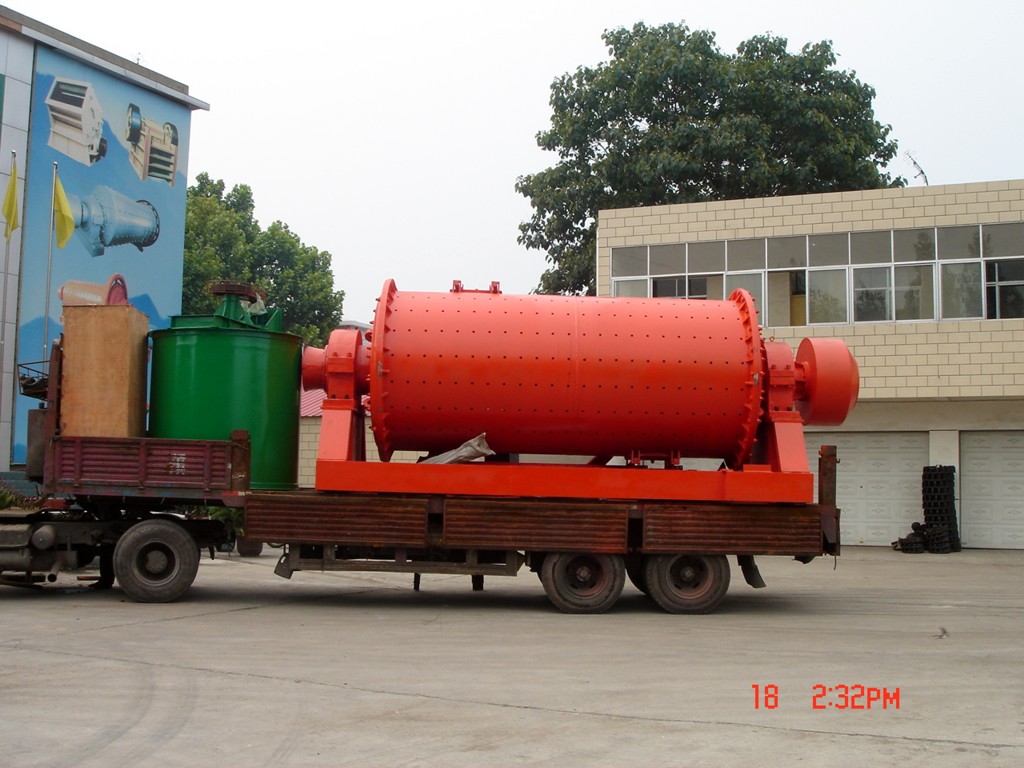
The primary function of a ball mill is rather straightforward: to grind material. It is a cylindrical shell, horizontally mounted and rotating on its axis, partially filled with grinding media—typically steel balls. As the mill rotates, the balls are lifted up the side and then cascade down, impacting and abrading the ore fed into the shell. This continuous tumbling action crushes and grinds the copper ore into finer and finer particles.
Why Ball Mills Dominate in Copper Processing
Ball mills are particularly well-suited for copper ore processing for several key reasons. They are incredibly robust and reliable machines, capable of handling the hard and abrasive nature of copper ores. Their design allows for continuous operation, which is vital for the high-tonnage requirements of a modern copper concentrator. Furthermore, they offer excellent operational flexibility; the fineness of the final grind can be adjusted by altering factors like the feed rate, the size of the grinding balls, and the density of the slurry (mix of ore and water) inside the mill.
The product from the ball mill, a slurry of fine copper mineral particles, is then sent to flotation cells. Here, the liberated copper minerals are separated from the gangue through chemical and physical processes. The efficiency of this entire flotation circuit is heavily dependent on the ball mill’s performance. An optimal grind, where the copper particles are fully liberated without being over-ground into ultra-fines that are difficult to recover, is crucial for maximizing copper yield.
Evolving Technology: The Shift to More Efficient Solutions
While the ball mill is a proven and capable technology, it is not without its drawbacks. Traditional ball mills can be energy-intensive, with a significant portion of that energy being lost to heat and noise rather than productive grinding. Maintenance, such as replacing liners and adding grinding media, requires downtime.
This is where modern grinding technologies offer compelling advantages. For operations looking to achieve a finer grind or improve overall energy efficiency, our MW Ultrafine Grinding Mill presents a superior alternative. Designed for customers who need to make ultra-fine powder, the MW Mill operates with significantly lower energy consumption—using only about 30% of the energy of a jet mill for the same output. Its unique design, featuring a cage-type powder selector, allows for precise fineness adjustment between 325-2500 meshes, ensuring the perfect particle size for maximum mineral recovery.
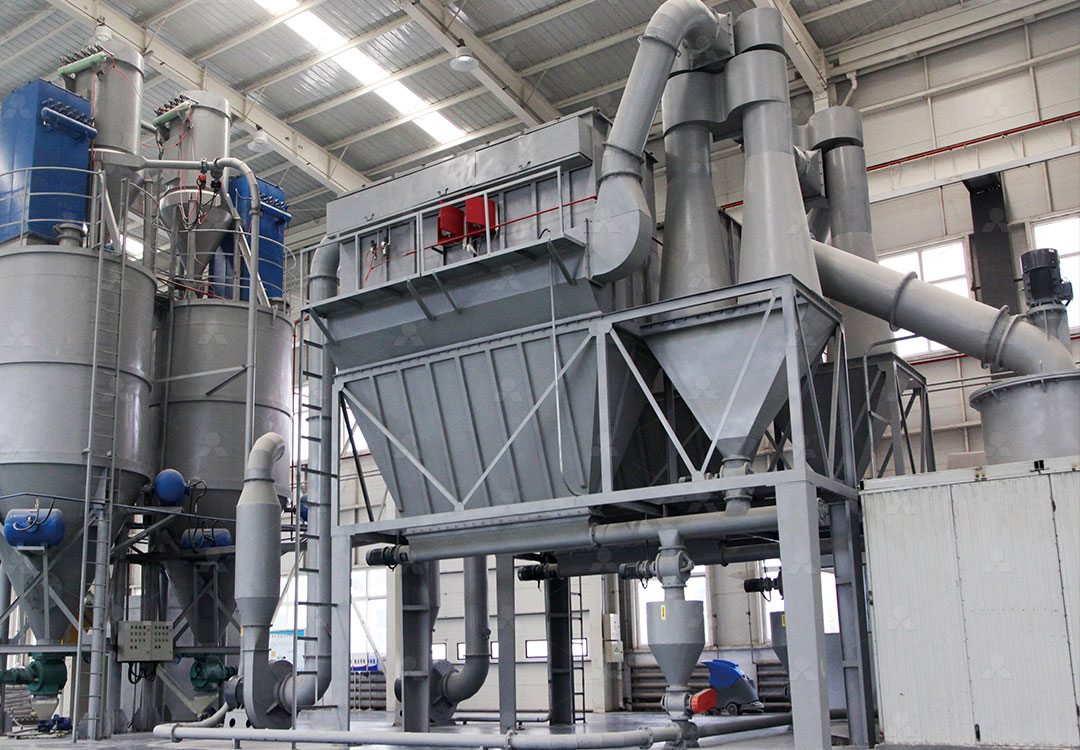
Another excellent option for secondary or regrind applications is our LUM Ultrafine Vertical Grinding Mill. Integrating grinding, grading, and transporting, the LUM mill boasts a 30%-50% reduction in energy consumption compared to conventional mills. Its multi-head powder separating technology and reversible structure for easier maintenance make it an intelligent, high-performance choice for modern processing plants aiming to reduce their operating costs and environmental footprint.
Conclusion
The ball mill’s function in breaking down copper ore remains foundational to the industry. Its simplicity and reliability ensure it will continue to be a key piece of equipment. However, the relentless drive for greater efficiency, lower costs, and finer grinds is pushing the industry forward. By integrating advanced solutions like the MW or LUM Ultrafine Grinding Mills into their flowsheets, copper processors can significantly enhance their productivity and profitability, building upon the solid foundation laid by the traditional ball mill.