
Carbon Black Powder Production Technology for Enhanced Rubber Reinforcement
We provide a wide range of mills — including Raymond mill, trapezoidal mill, vertical mill, ultrafine mill, and ball mill, obtained ISO9001 international quality certification, EU CE certification, and Customs Union CU-TR certification. Suitable for processing minerals such as limestone, phosphate, quicklime, kaolin, talc, barite, bentonite, calcium carbonate, dolomite, coal, gypsum, clay, carbon black, slag, cement raw materials, cement clinker, and more.
The discharge range of these mills can be adjusted to meet specific processing needs, typically from 80-400 mesh, 600-3250 mesh, and can achieve the finest particle size of up to 6000 mesh(D50).
If you are looking for a reliable grinding solution to turn stone or minerals into fine powder, please feel free to contact our online customer service.
Carbon Black Powder Production Technology for Enhanced Rubber Reinforcement
Carbon black remains a cornerstone of rubber reinforcement, critical for enhancing the durability, tensile strength, and abrasion resistance of rubber products ranging from tires to industrial seals. The efficacy of carbon black as a reinforcing agent is intrinsically linked to its particle size, structure, and surface area. Achieving the optimal ultra-fine, consistent powder is therefore paramount, and this is where advanced milling technology comes into play.
The Critical Role of Grinding in Carbon Black Processing
Raw carbon black, prior to processing, consists of coarse aggregates. To unlock its full reinforcing potential, these aggregates must be meticulously broken down into a fine, uniform powder with a high surface area. Traditional grinding methods often fall short, leading to inconsistent particle size distribution, high energy consumption, and excessive heat generation that can degrade the material’s properties.
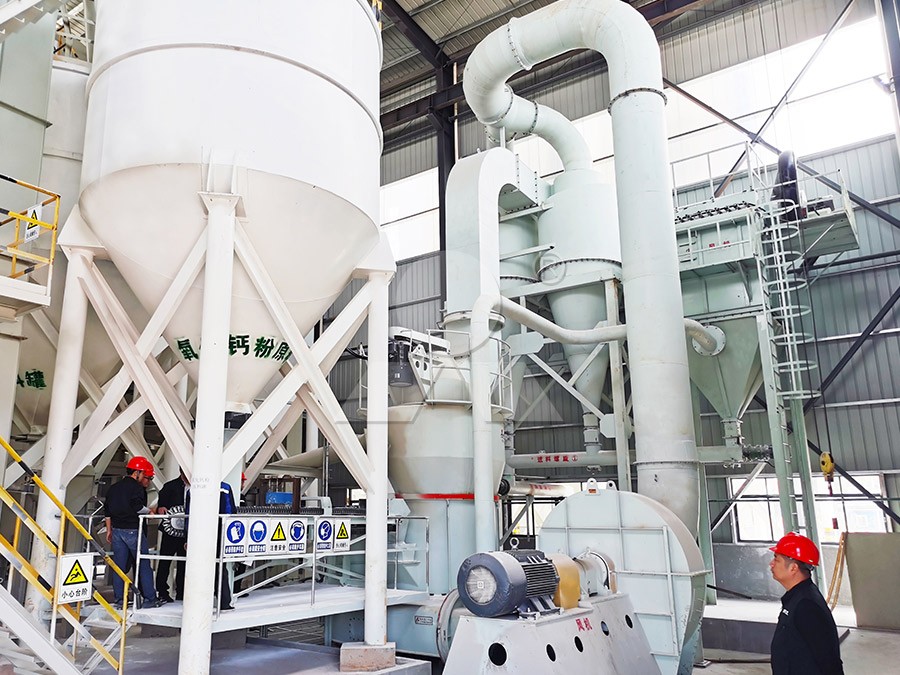
Modern production demands technology that can deliver precise control over fineness, operate with high energy efficiency, and ensure minimal environmental impact. The grinding mill is the heart of this operation, and its selection directly influences the quality of the final carbon black product and its performance in rubber compounds.
Introducing Advanced Milling Solutions
For operations focused on high-value, ultra-fine carbon black powders, the MW Ultrafine Grinding Mill presents an exceptional solution. This mill is engineered specifically for customers requiring precise ultra-fine powder production. With an input size of 0-20 mm and a capacity range of 0.5-25 tph, it offers remarkable flexibility for various production scales.
Its design incorporates several innovative features crucial for carbon black processing:
- Higher Yielding, Lower Energy Consumption: Its newly designed grinding curves enhance efficiency, offering production capacity 40% higher than jet mills while consuming only 30% of the energy. This is a significant cost-saving advantage.
- Adjustable Fineness (325-2500 meshes): The German-technology cage-type powder selector allows for precise control over the final product’s fineness, ensuring it meets the specific surface area requirements for superior rubber reinforcement. It can achieve a precise d97≤5μm cut.
- Eco-Friendly Operation: An efficient pulse dust collector and muffler system ensures no dust pollution and reduced noise, making the entire production process clean and compliant with environmental standards.
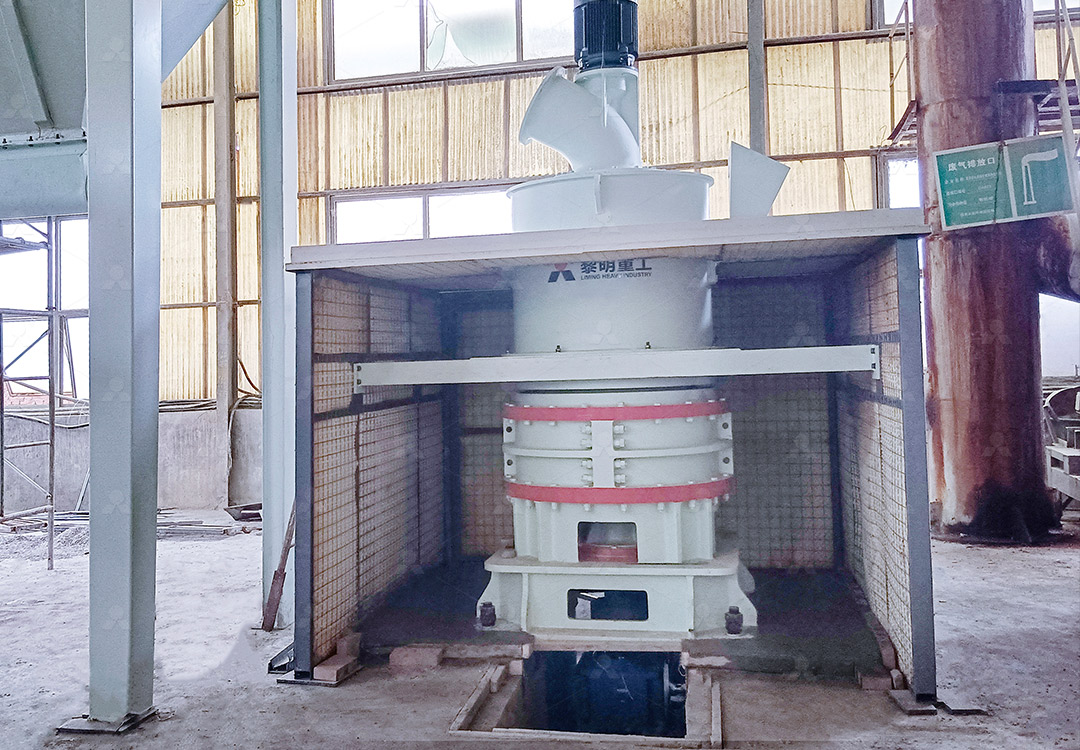
Another robust option for high-volume production is the LUM Ultrafine Vertical Grinding Mill. Integrating the latest grinding roller and powder separating technologies, it excels in producing superfine dry powders. Its unique roller shell design promotes easier material layer formation, enabling a high rate of finished product in a single pass, which enhances whiteness and cleanliness—a key factor for certain rubber applications. With a capacity of 5-18 tph, it’s a powerhouse for consistent, high-quality output.
Impact on Rubber Product Performance
Utilizing carbon black processed through advanced mills like the MW or LUM series directly translates to enhanced rubber products. The ultra-fine, consistent dispersion achieved allows for a stronger polymer-filler interaction. This results in:
- Improved tensile and tear strength
- Superior abrasion resistance, extending product lifespan
- Enhanced electrical conductivity for specialized compounds
- Better dynamic mechanical properties, crucial for tire performance
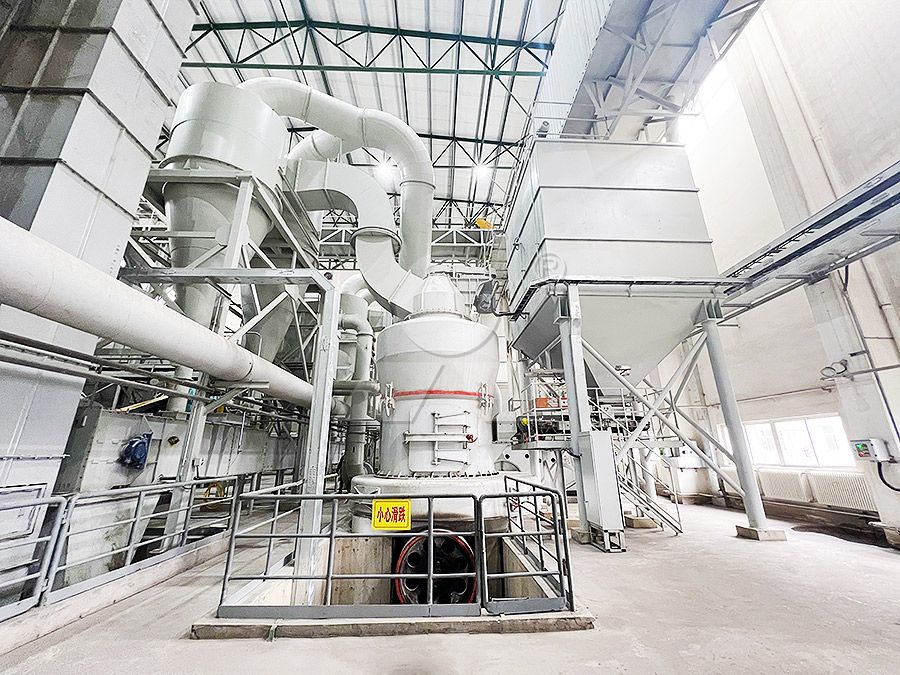
In conclusion, the choice of grinding technology is not merely a processing step but a strategic decision that defines the quality of the carbon black and the performance of the final rubber product. Investing in advanced, efficient, and eco-conscious milling systems like the MW Ultrafine Grinding Mill is essential for manufacturers aiming to lead in the competitive rubber reinforcement market.