
Limestone Grinding Equipment Price: Factors and Cost Analysis
We provide a wide range of mills — including Raymond mill, trapezoidal mill, vertical mill, ultrafine mill, and ball mill, obtained ISO9001 international quality certification, EU CE certification, and Customs Union CU-TR certification. Suitable for processing minerals such as limestone, phosphate, quicklime, kaolin, talc, barite, bentonite, calcium carbonate, dolomite, coal, gypsum, clay, carbon black, slag, cement raw materials, cement clinker, and more.
The discharge range of these mills can be adjusted to meet specific processing needs, typically from 80-400 mesh, 600-3250 mesh, and can achieve the finest particle size of up to 6000 mesh(D50).
If you are looking for a reliable grinding solution to turn stone or minerals into fine powder, please feel free to contact our online customer service.
Limestone Grinding Equipment Price: Factors and Cost Analysis
When it comes to selecting limestone grinding equipment, the initial purchase price is just one piece of the puzzle. A truly cost-effective investment requires a deep dive into the factors that influence both the upfront cost and the long-term operational expenses. Understanding these variables is crucial for making an informed decision that maximizes your return on investment.
Key Factors Influencing Equipment Price
The price of limestone grinding machinery is not a fixed number; it fluctuates based on a combination of technical specifications, market conditions, and manufacturer value-adds.
Production Capacity and Output Fineness
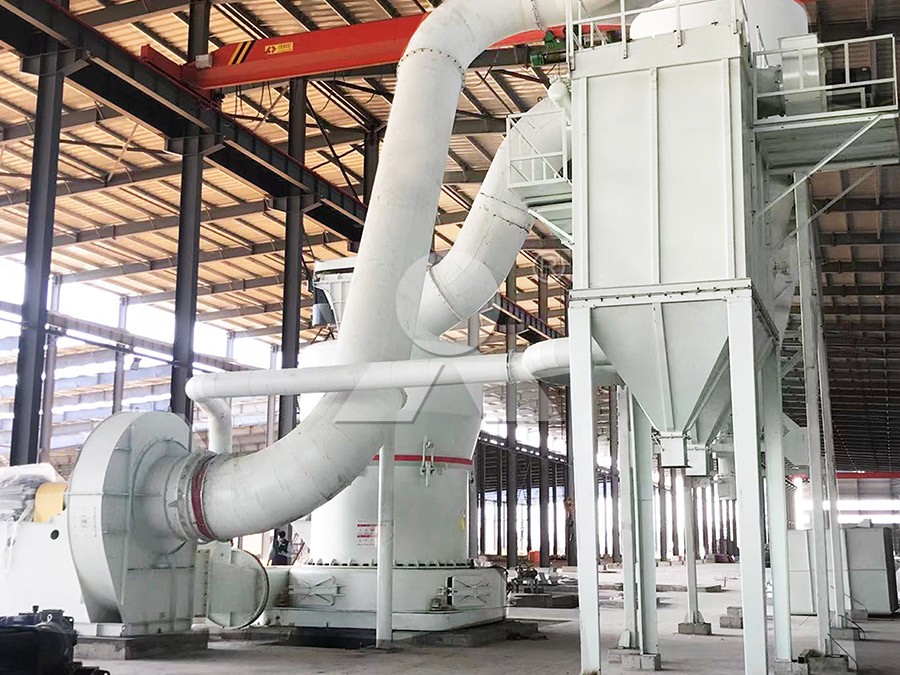
Arguably the most significant cost driver is the required production capacity, measured in tons per hour (tph). A machine designed for 3 tph will naturally carry a different price tag than an industrial-grade mill handling 50 tph. Similarly, the desired product fineness plays a major role. Achieving a superfine powder of 2500 meshes demands more advanced engineering, precision components, and sophisticated classification systems compared to producing a coarse 100-mesh powder. This higher technological barrier directly impacts the equipment’s cost.
Technology and Features
The level of technology integrated into the mill is a major price differentiator. Basic Raymond mills offer a lower entry point but may lack efficiency for high-volume, fine-grinding applications. Modern mills incorporate features like:
- Advanced Powder Classifiers: For precise particle size control.
- Efficient Dust Collection Systems: To meet environmental standards and protect workers.
- Automated Control Systems (PLC): For consistent quality and reduced labor.
- Energy-Saving Designs: Such as optimized grinding curves and low-resistance air ducts.
Each of these features adds to the initial cost but can lead to substantial savings in operational costs over the machine’s lifespan.
Operational and Maintenance Costs
The true cost of ownership extends far beyond the invoice. You must consider:
- Energy Consumption: This is often the largest ongoing expense. Mills that grind more efficiently with lower kWh per ton can save a fortune on electricity bills.
- Wear Part Consumption: The frequency and cost of replacing grinding rollers, rings, and liners vary greatly between models. Equipment designed for easy maintenance and long-lasting wear parts reduces downtime and spare part inventory costs.
- Labor Costs: Highly automated mills require less manual intervention, reducing the needed operational staff.
- Environmental Compliance: Mills with integrated, high-efficiency dust collectors and noise reduction systems prevent costly fines and retrofitting later.
Cost Analysis: Finding the Right Fit
A cheap machine that is inefficient, breaks down often, and consumes excessive power can quickly become the most expensive option. A holistic cost analysis weighs the higher initial investment of a premium machine against its potential for lower operating expenses, higher availability, and better final product quality.
Recommended Solution: MW Ultrafine Grinding Mill
For operations focused on producing high-value, ultra-fine limestone powder, the MW Ultrafine Grinding Mill presents a compelling balance of performance and cost-efficiency. This machine is engineered for customers who need to make ultra-fine powder between 325-2500 meshes. Its cage-type powder selector, based on German technology, ensures precise classification and a high sieving rate.
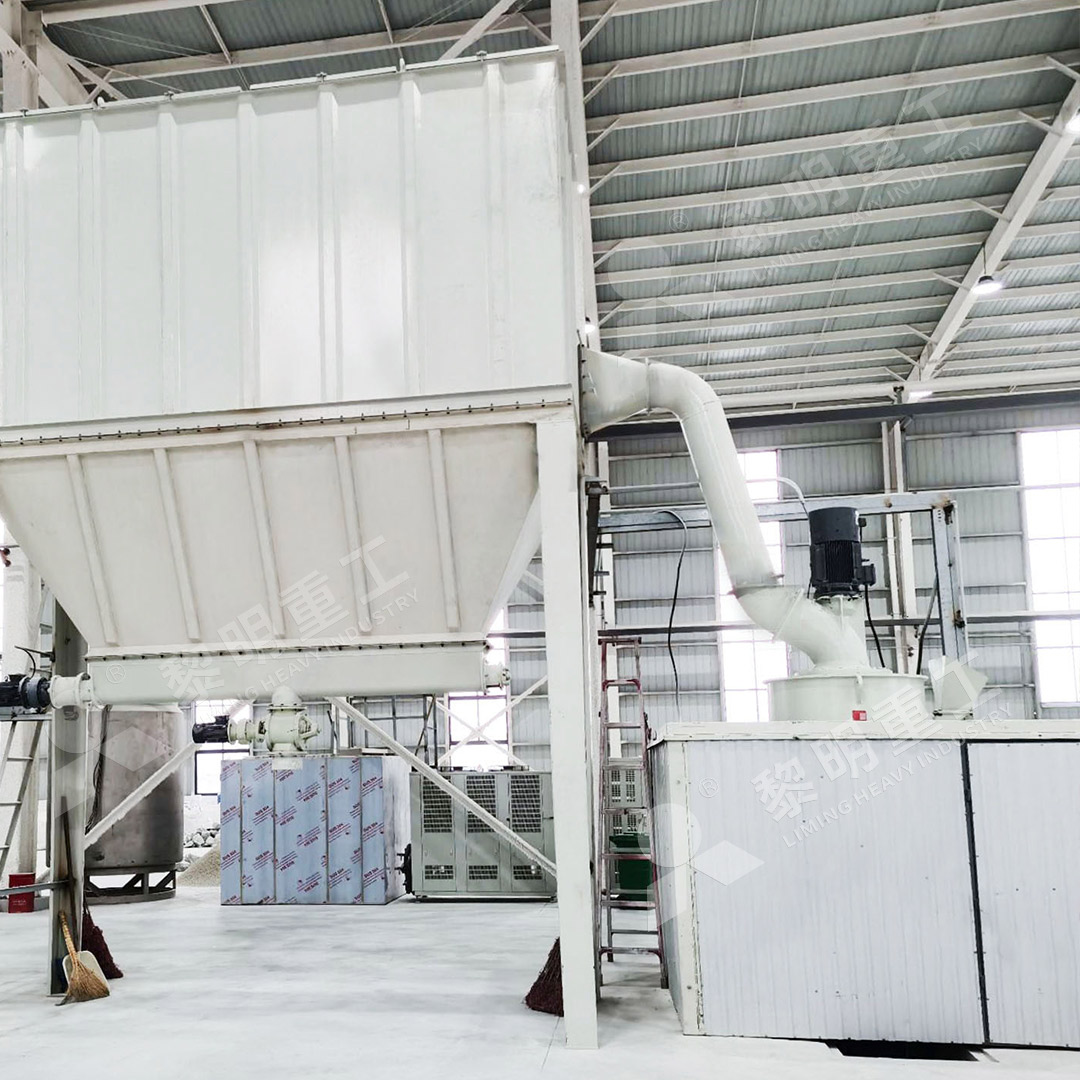
Key economic advantages include its 40% higher production capacity compared to jet mills and 30% lower system energy consumption. A standout feature for minimizing maintenance downtime and cost is the absence of rolling bearings and screws in the grinding chamber, eliminating common failure points. Furthermore, its integrated pulse dust collector and muffler ensure eco-friendly operation right out of the gate, avoiding future compliance costs.
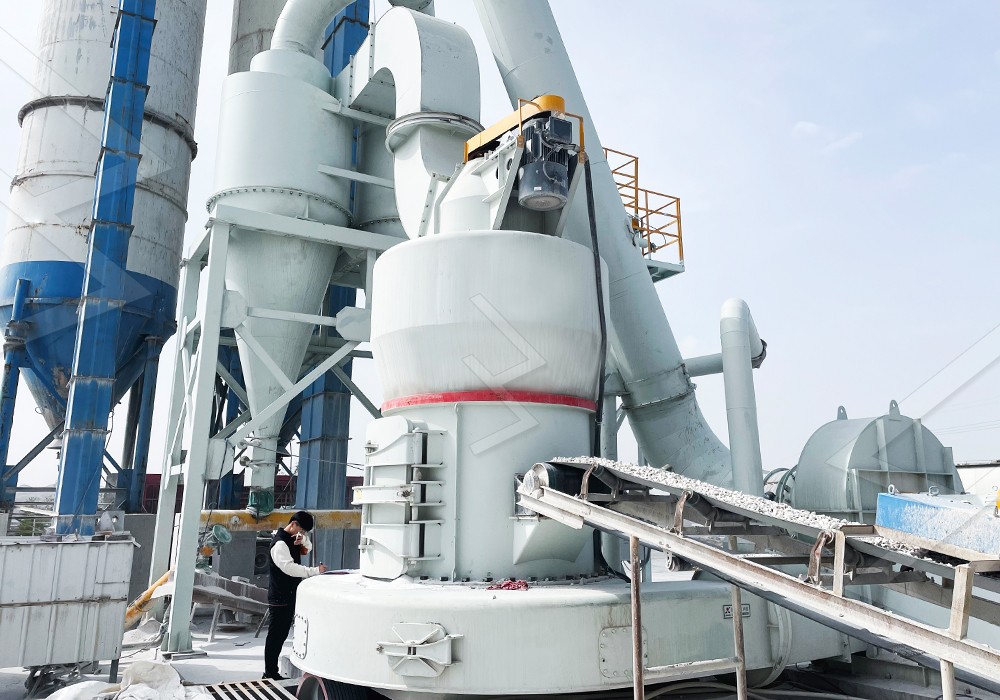
For larger scale projects requiring robust vertical grinding, our LUM Ultrafine Vertical Grinding Mill is another excellent option. It integrates the latest grinding roller and powder separating technology for higher yield rates and better product quality, all while being more energy-saving.
Conclusion
Ultimately, the “price” of limestone grinding equipment is a multifaceted calculation. Prioritizing a machine’s total lifecycle cost—factoring in energy use, maintenance, durability, and output quality—over its sticker price is the key to a profitable investment. Partnering with a reputable manufacturer that offers robust technical support and genuine spare parts is equally critical for ensuring worry-free, cost-effective operation for years to come.