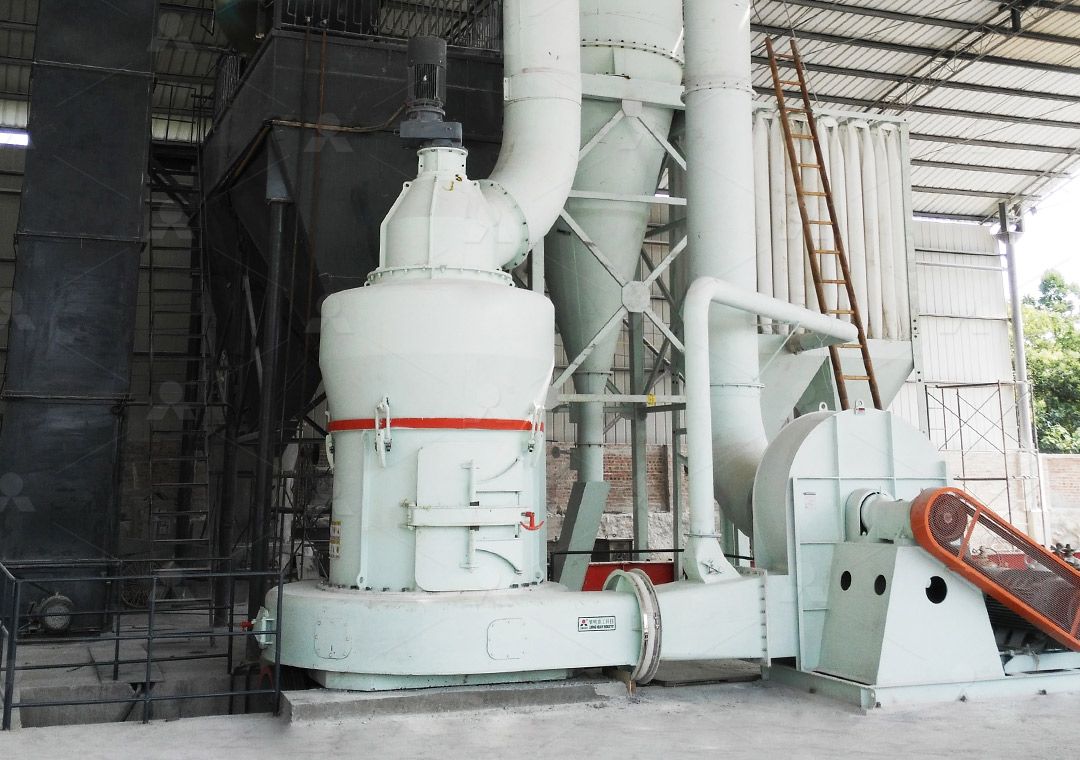
Energy-Saving Gangue Grinding Mill: 30% Reduction in Power Consumption
We provide a wide range of mills — including Raymond mill, trapezoidal mill, vertical mill, ultrafine mill, and ball mill, obtained ISO9001 international quality certification, EU CE certification, and Customs Union CU-TR certification. Suitable for processing minerals such as limestone, phosphate, quicklime, kaolin, talc, barite, bentonite, calcium carbonate, dolomite, coal, gypsum, clay, carbon black, slag, cement raw materials, cement clinker, and more.
The discharge range of these mills can be adjusted to meet specific processing needs, typically from 80-400 mesh, 600-3250 mesh, and can achieve the finest particle size of up to 6000 mesh(D50).
If you are looking for a reliable grinding solution to turn stone or minerals into fine powder, please feel free to contact our online customer service.
Energy-Saving Gangue Grinding Mill: 30% Reduction in Power Consumption
In today’s competitive industrial landscape, operational efficiency isn’t just a goal—it’s a necessity. For operations processing industrial by-products like coal gangue, the grinding mill is often the heart of the process and its biggest energy consumer. Traditionally, gangue grinding has been synonymous with high power bills and significant maintenance downtime. However, a new generation of grinding technology is changing this narrative, delivering unprecedented energy savings without compromising on output or product quality.
The High Cost of Traditional Grinding
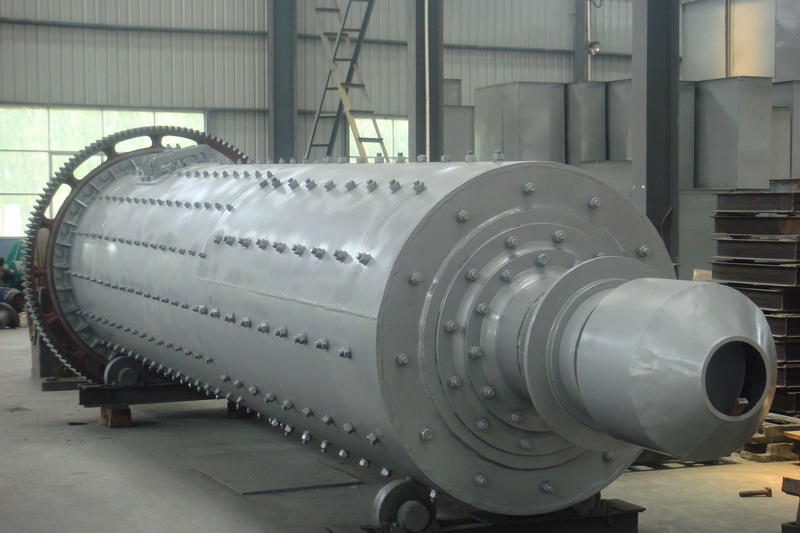
Conventional ball mills and Raymond mills, while reliable, are notorious energy hogs. Their mechanical design often leads to inefficient power transmission, excessive heat generation, and a significant portion of energy being wasted as noise and vibration rather than being directed toward size reduction. For continuous operations, these inefficiencies translate into staggering electricity costs, often making the grinding circuit the most expensive part of the entire processing plant.
A Leap Forward in Grinding Efficiency
The key to unlocking these savings lies in innovative engineering focused on optimizing every aspect of the grinding process. This includes advanced grinding curves for rollers and rings, intelligent powder separation systems, and designs that eliminate energy-wasting components like internal screws and rolling bearings within the grinding chamber.
For operators seeking a robust solution for gangue and other industrial minerals, we highly recommend our MW Ultrafine Grinding Mill. This machine is a game-changer, engineered specifically for customers who need to make ultra-fine powder from materials like petroleum coal and gangue. It’s equipped with an efficient pulse dust collector and muffler, significantly reducing environmental impact. Most impressively, its newly designed grinding curves enhance efficiency so much that with the same fineness and power, its production capacity is 40% higher than jet mills and its system energy consumption is just 30% of them. It handles input sizes up to 20 mm with a capacity range of 0.5-25 tph, making it ideal for a variety of scales.
Beyond Energy Savings: Operational Stability and Low Maintenance
True efficiency isn’t just about lower kilowatt-hours; it’s also about maximizing uptime and minimizing maintenance. Designs that feature external lubrication systems allow for maintenance without shutdowns, enabling continuous 24/7 production. Furthermore, the absence of rolling bearings and screws in the grinding chamber eliminates common failure points and the machine damage caused by loose components.
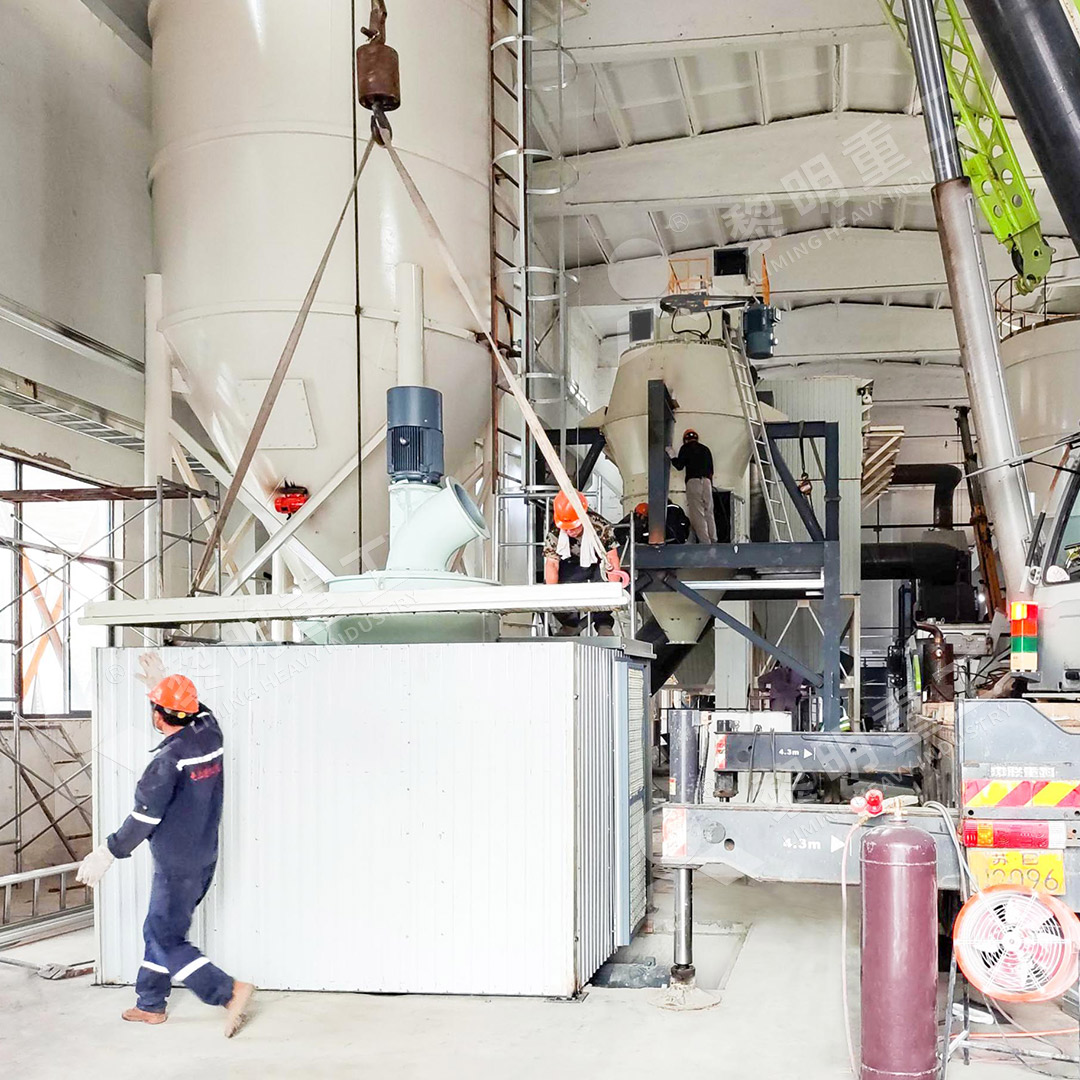
Another standout performer is our LUM Ultrafine Vertical Grinding Mill. It incorporates the latest grinding roller technology and German powder separating technology, integrating grinding, grading, and transporting into a single, highly efficient unit. A key feature is its more energy-saving multi-head powder separating technology, which, combined with a PLC control system, allows users to accurately control grinding pressure and speed. The result is a remarkable 30%-50% reduction in energy consumption compared to common grinding mills, perfectly aligning with the goal of slashing power costs. It accepts a feed size of 0-10 mm and offers a capacity of 5-18 tph.
Conclusion: Investing in a Sustainable Future
Adopting an energy-efficient grinding mill is one of the most impactful decisions a plant manager can make. It’s a direct investment that pays dividends through lower operating costs, a reduced carbon footprint, and enhanced operational reliability. By moving away from outdated, energy-intensive technology and embracing modern solutions like the MW and LUM series mills, operations can achieve that coveted 30% reduction in power consumption, transforming their grinding circuit from a cost center into a model of efficiency.