
Limestone Grinding Mill: Operation, Maintenance, and Troubleshooting Guide
We provide a wide range of mills — including Raymond mill, trapezoidal mill, vertical mill, ultrafine mill, and ball mill, obtained ISO9001 international quality certification, EU CE certification, and Customs Union CU-TR certification. Suitable for processing minerals such as limestone, phosphate, quicklime, kaolin, talc, barite, bentonite, calcium carbonate, dolomite, coal, gypsum, clay, carbon black, slag, cement raw materials, cement clinker, and more.
The discharge range of these mills can be adjusted to meet specific processing needs, typically from 80-400 mesh, 600-3250 mesh, and can achieve the finest particle size of up to 6000 mesh(D50).
If you are looking for a reliable grinding solution to turn stone or minerals into fine powder, please feel free to contact our online customer service.
Limestone Grinding Mill: Operation, Maintenance, and Troubleshooting Guide
Grinding limestone into fine powder is a critical process in numerous industries, from construction materials to agriculture and chemical production. Proper operation, regular maintenance, and effective troubleshooting are essential for maximizing mill efficiency, product quality, and equipment longevity. This guide provides a comprehensive overview based on industry best practices.
Key Operational Procedures
Starting up a grinding mill requires a meticulous sequence to prevent damage. Always begin by checking all mechanical components, lubrication levels, and ensuring the grinding chamber is clear of obstructions. Initiate the main motor first, allowing it to reach operating speed before starting the feeder. Gradually introduce the limestone feedstock to avoid overloading the system. Monitor the amperage draw on the main motor closely; a stable current indicates optimal loading.
During operation, consistently track key parameters: vibration levels, bearing temperatures, and product fineness. Modern mills often feature automated control systems that adjust feeder speed and classifier settings to maintain a consistent product. Shutdown should be the reverse of startup: stop the feeder first, allow the mill to run for several minutes to clear most of the material, and then shut down the main motor. Perform a final inspection after the system has completely stopped.
Essential Maintenance Schedule
A proactive maintenance schedule is non-negotiable for reliable performance. Daily tasks include visual inspections for leaks, unusual noises, and checking lubrication points. Weekly, inspect wear parts like grinding rollers and rings for signs of abrasion. For mills processing abrasive materials like limestone, these components are consumables and must be replaced periodically.
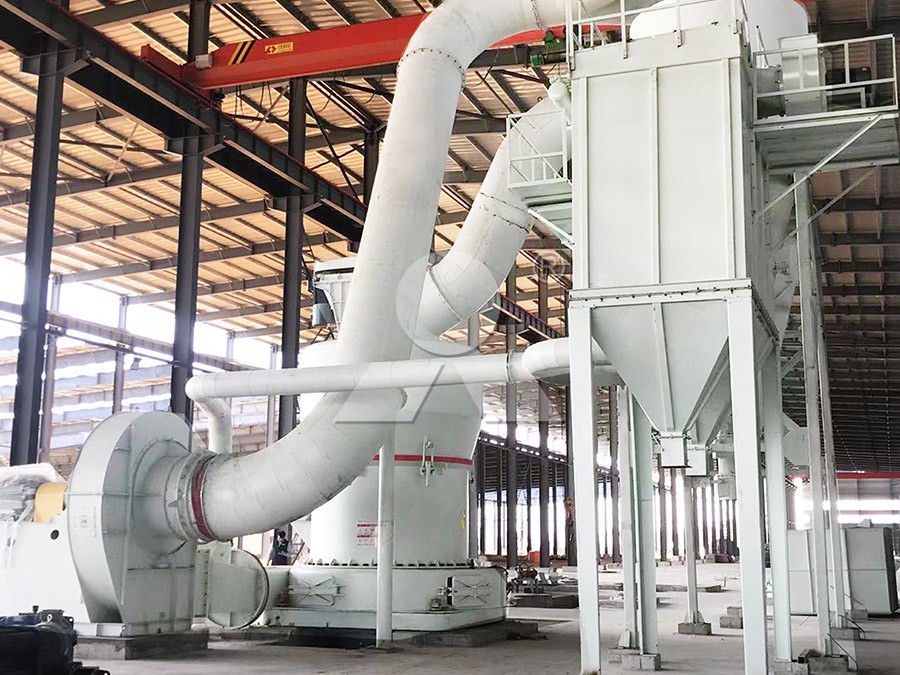
We highly recommend our MW Ultrafine Grinding Mill for operations requiring superior fineness and efficiency. With an input size of 0-20 mm and a capacity range of 0.5-25 tph, it’s engineered for customers needing to make ultra-fine powder. A key maintenance advantage is its design: there are no rolling bearings or screws inside the grinding chamber. This eliminates worries about bearing failures or machine damage from loose screws. Its external lubricating device allows for lubrication without shutdown, supporting continuous 24/7 production. Don’t forget the pulse dust collector; its filters require regular cleaning or replacement to maintain peak eco-friendly performance and prevent pressure drops.
Common Troubleshooting Issues
Even well-maintained mills encounter problems. Here are common issues and their likely solutions:
- Low Output or Capacity: Often caused by worn grinding rollers/rings, blocked air passages, or a clogged classifier. Check and replace wear parts, and inspect for blockages.
- Excessive Vibration or Noise: Usually indicates unbalanced grinding rollers, loose foundation bolts, or foreign material in the grinding chamber. Immediately stop the mill to investigate the source.
- Poor Product Fineness: If the powder is too coarse, the classifier speed may be too low, the fan airflow incorrect, or the grinding elements excessively worn. Adjust classifier settings and inspect wear parts.
- Overheating Bearings: Check lubrication levels first. Overheating can also be caused by overloading the mill or contaminated grease.
Choosing the Right Mill for Your Limestone
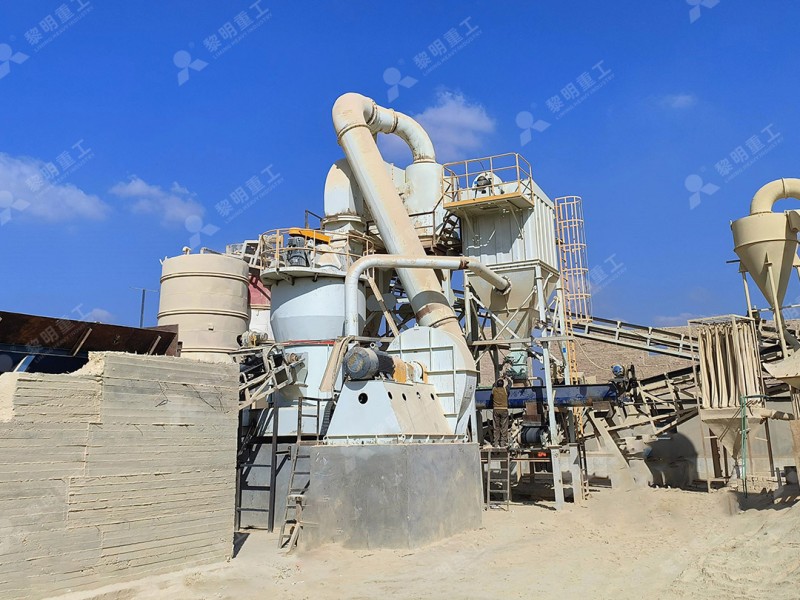
Selecting the appropriate mill is paramount. For high-capacity, coarse to medium-fine grinding of limestone, our LM Vertical Grinding Mill is an industry workhorse. It integrates crushing, drying, grinding, classifying, and conveying, covering area 50% smaller than a ball mill while saving 30%-40% in energy consumption. Its short grinding time minimizes repeated grinding, resulting in lower iron content—a critical factor for high-whiteness applications.
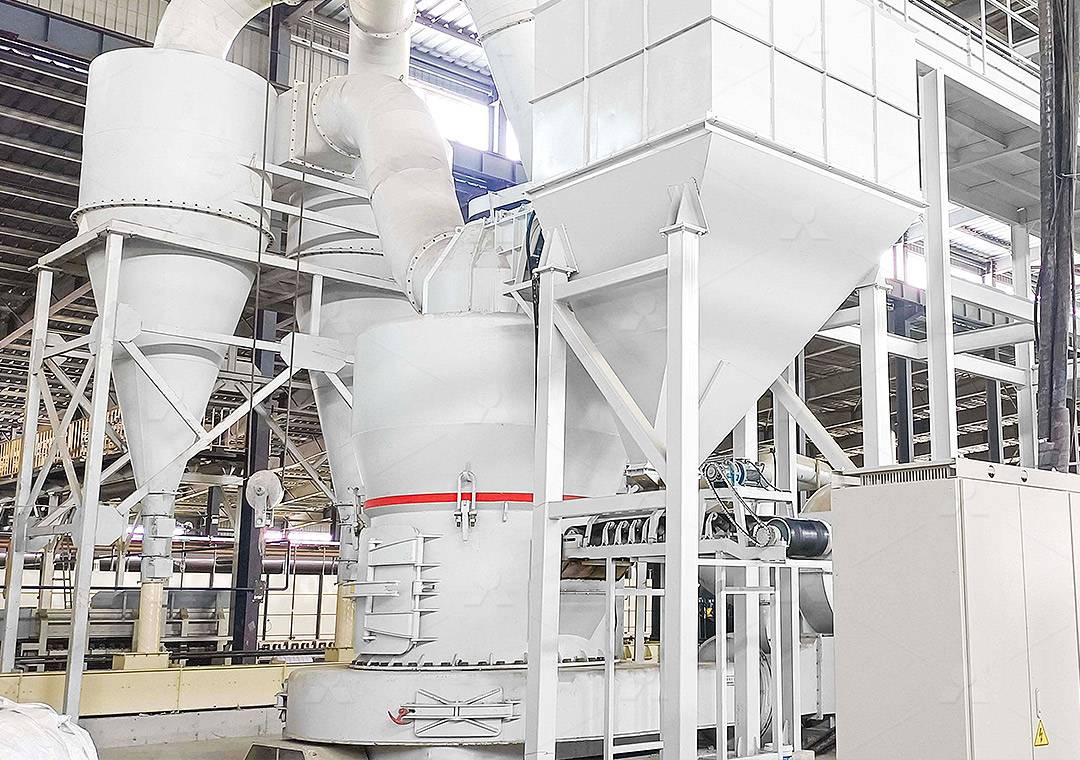
For applications demanding ultra-fine powders (325-2500 meshes), the aforementioned MW Ultrafine Grinding Mill is unparalleled. Its cage-type powder selector, based on German technology, ensures precise separation, achieving d97≤5μm in a single pass. Its efficient pulse dust collector and muffler make the entire milling system environmentally friendly, operating well within national standards.
Conclusion
Mastering the operation, committing to a rigorous maintenance routine, and understanding how to troubleshoot common problems are the keys to unlocking the full potential of your limestone grinding mill. Investing in the right technology, like our MW or LM series mills, provides a foundation for higher yields, lower energy consumption, and worry-free operation, ensuring your operation remains productive and profitable for years to come.