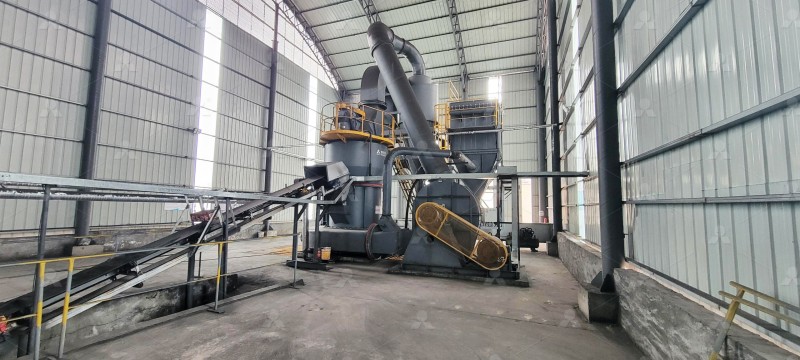
Recommended Baghouse Sizes for Raymond Roller Mills
We provide a wide range of mills — including Raymond mill, trapezoidal mill, vertical mill, ultrafine mill, and ball mill, obtained ISO9001 international quality certification, EU CE certification, and Customs Union CU-TR certification. Suitable for processing minerals such as limestone, phosphate, quicklime, kaolin, talc, barite, bentonite, calcium carbonate, dolomite, coal, gypsum, clay, carbon black, slag, cement raw materials, cement clinker, and more.
The discharge range of these mills can be adjusted to meet specific processing needs, typically from 80-400 mesh, 600-3250 mesh, and can achieve the finest particle size of up to 6000 mesh(D50).
If you are looking for a reliable grinding solution to turn stone or minerals into fine powder, please feel free to contact our online customer service.
Recommended Baghouse Sizes for Raymond Roller Mills
Proper dust collection is not just a regulatory requirement; it’s a critical component of mill efficiency and operational safety. For operations utilizing Raymond Roller Mills, selecting the right baghouse size is paramount to maintaining optimal airflow, ensuring product quality, and protecting equipment. An undersized collector will lead to poor dedusting, potential baghouse fires, and excessive wear on the mill’s internal components. Conversely, an oversized unit represents an unnecessary capital expenditure and operational cost.
As a general rule of thumb, the required air-to-cloth ratio for a Raymond Roller Mill application typically falls between 4:1 and 5.5:1 (ACFM per square foot of filter media). For a standard Raymond Mill with a 5 tph capacity, we generally recommend a baghouse with a filter area of at least 2,500 to 3,500 square feet to handle the mill’s air volume effectively. This ensures adequate suction to pull the fine powder through the system without overloading the filters.
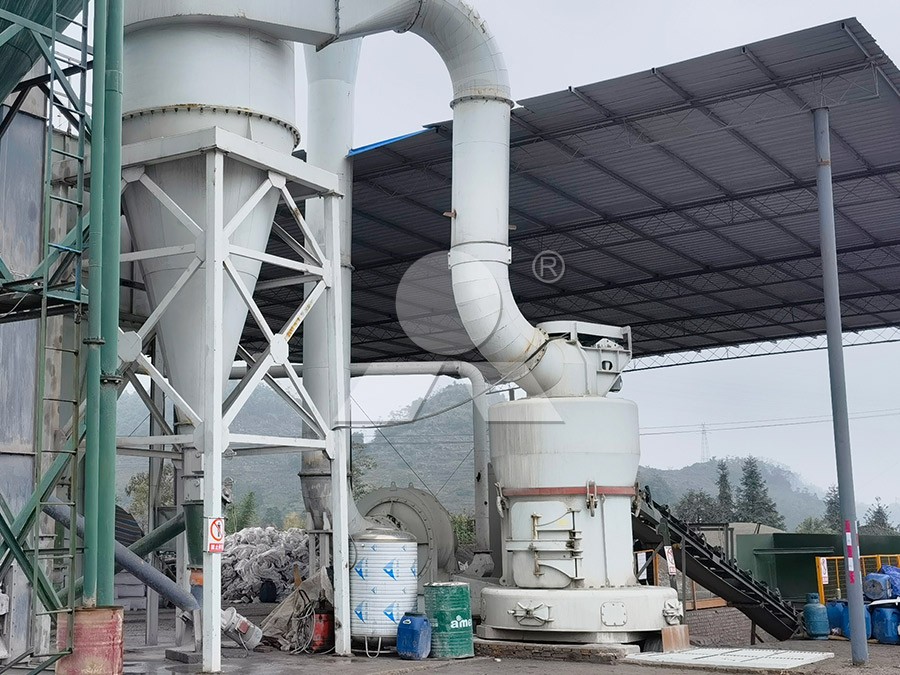
However, for operations that demand higher efficiency and finer output, a standard Raymond Mill might not suffice. This is where considering an upgrade to a more modern mill design can be a game-changer. For instance, our MW Ultrafine Grinding Mill is engineered from the ground up with integrated, high-efficiency dust collection in mind. With an input size of 0-20 mm and a capacity range of 0.5-25 tph, it’s designed for customers who need to make ultra-fine powder up to 2500 meshes.
A key advantage of the MW Mill is its factory-equipped efficient pulse dust collector and muffler. This integrated system is precisely calibrated to the mill’s airflow, drastically reducing the guesswork and engineering required for external baghouse sizing. The mill’s design means no dust pollution generates during operation of the entire milling system, making it inherently more eco-friendly and often simplifying permitting processes.
Key Factors Influencing Baghouse Sizing
- Mill Capacity (TPH): Higher throughput requires greater air volume to convey material.
- Material Characteristics: Finer, lighter powders (like talc or limestone) require more careful air management than heavier materials.
- Moisture Content: Wet or sticky materials may need lower air-to-cloth ratios to prevent blinding.
- System Layout: The number of bends, horizontal runs, and elevation changes in the ducting impacts static pressure requirements.
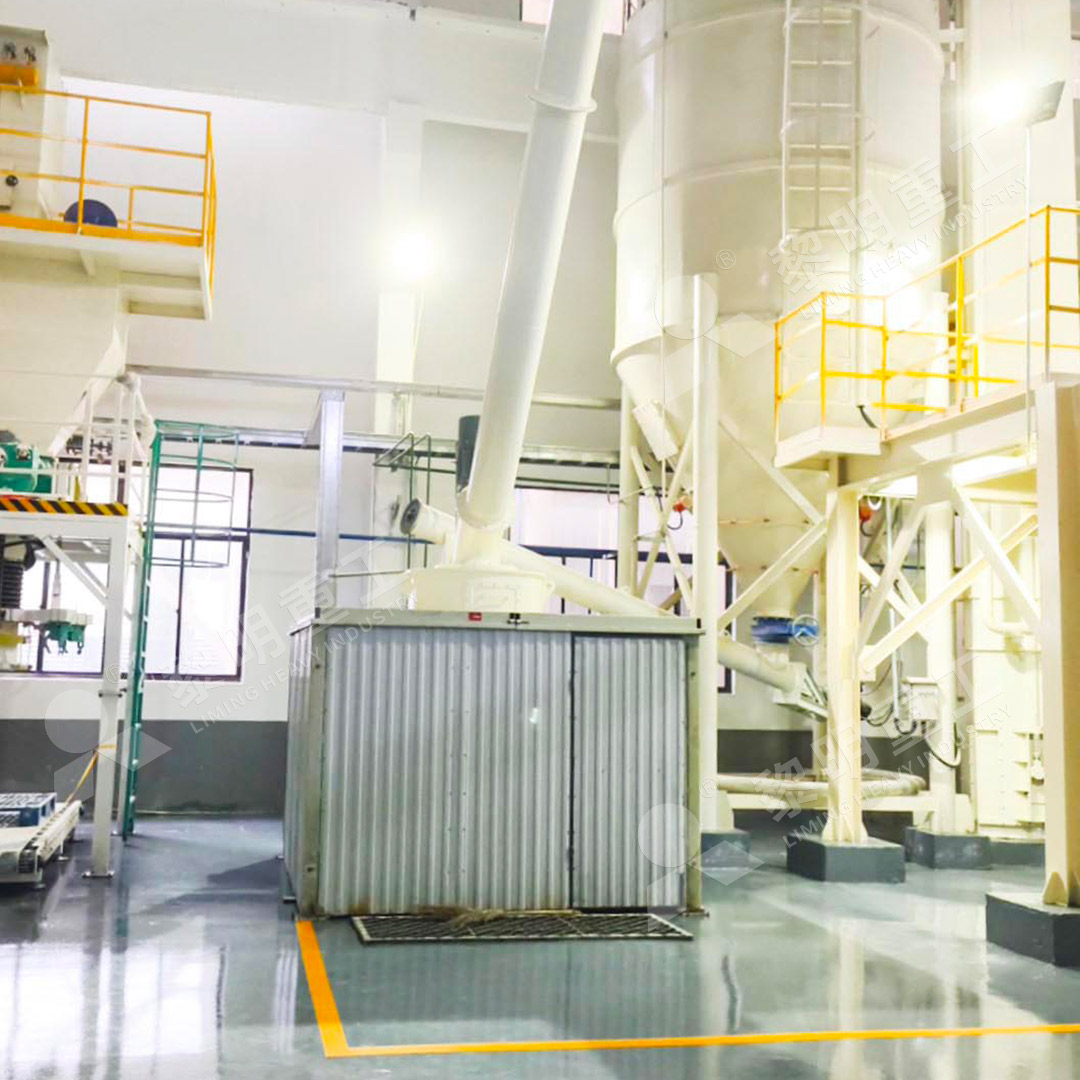
For those seeking even greater efficiency in a vertical configuration, our LUM Ultrafine Vertical Grinding Mill (0-10mm input, 5-18 tph capacity) is another excellent option. It adopts the latest grinding roller technology and German powder separating technology, integrating grinding, grading, and transporting. Its closed-loop system is designed for minimal dust emission, reducing the load and size requirement on any secondary external baghouse.
In conclusion, while a correctly sized external baghouse is vital for a Raymond Mill, opting for a modern solution like the MW or LUM mills with engineered, integrated dust control can eliminate sizing headaches, reduce overall footprint, and provide a cleaner, more efficient operation from the start. Always consult with an application engineer to analyze your specific material and throughput needs for a precise recommendation.