
Vertical Grinder for Clutch Plate Pressure Plate Machining: A Complete Guide
We provide a wide range of mills — including Raymond mill, trapezoidal mill, vertical mill, ultrafine mill, and ball mill, obtained ISO9001 international quality certification, EU CE certification, and Customs Union CU-TR certification. Suitable for processing minerals such as limestone, phosphate, quicklime, kaolin, talc, barite, bentonite, calcium carbonate, dolomite, coal, gypsum, clay, carbon black, slag, cement raw materials, cement clinker, and more.
The discharge range of these mills can be adjusted to meet specific processing needs, typically from 80-400 mesh, 600-3250 mesh, and can achieve the finest particle size of up to 6000 mesh(D50).
If you are looking for a reliable grinding solution to turn stone or minerals into fine powder, please feel free to contact our online customer service.
Vertical Grinder for Clutch Plate Pressure Plate Machining: A Complete Guide
In the demanding world of automotive and heavy machinery manufacturing, precision machining of critical components like clutch plates and pressure plates is paramount. These parts require exceptional surface finish, tight tolerances, and absolute flatness to ensure smooth engagement, optimal power transfer, and long service life. This is where vertical grinding technology steps in as a game-changer, offering unparalleled accuracy and efficiency for these specific applications.
Why Vertical Grinding for Automotive Components?
Traditional machining methods often struggle with the heat dissipation and material stress issues associated with high-grade metals and composites used in clutch assemblies. Vertical grinders, however, are specifically engineered to handle these challenges. Their design allows for a more rigid setup, minimizing vibration—a key factor in achieving the mirror-like finishes and sub-micron level flatness required. The vertical orientation also facilitates better coolant flow and chip evacuation, preventing thermal deformation of the workpiece and ensuring consistent quality part after part. For manufacturers, this translates to reduced scrap rates, less rework, and a superior final product.
Key Considerations in Machine Selection
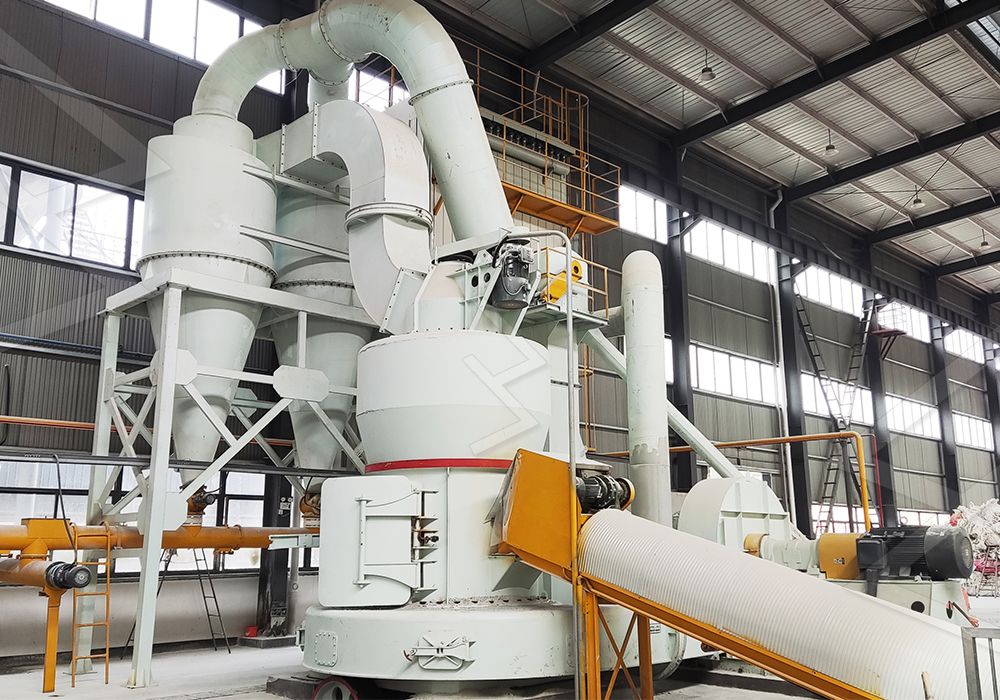
Choosing the right vertical grinder isn’t just about power; it’s about precision engineering. Look for machines with robust construction to dampen vibrations, advanced control systems for fine-tuning every parameter, and spindles designed for heavy-duty, high-torque operation. The ability to handle various diameters and thicknesses with quick changeover is also crucial for high-mix production environments. Furthermore, integrated measuring systems can provide in-process feedback, closing the quality loop right on the production floor.
Beyond the Workshop: The Role of Material Preparation
It’s important to remember that the quality of the finished machined part begins long before it reaches the grinder. The raw materials used for casting or forging these plates must first be processed into a consistent, fine powder for various manufacturing stages. This is where superior grinding mills for raw material preparation become invaluable.
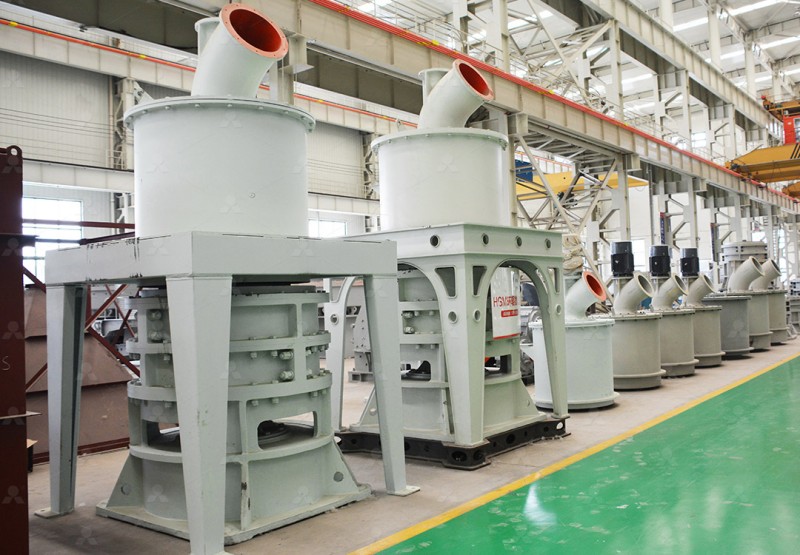
For instance, our MW Ultrafine Grinding Mill is an exceptional piece of equipment designed for customers who need to make ultra-fine powder from raw minerals. With an input size of 0-20 mm and a capacity ranging from 0.5 to 25 tons per hour, it’s perfectly suited for creating the consistent base materials needed in industrial applications. It’s equipped with an efficient pulse dust collector and muffler, significantly reducing dust and noise for a more environmentally friendly production process. Its higher yielding and lower energy consumption, thanks to newly designed grinding curves, make it an economically smart choice for any operation focused on quality from the ground up.
Embracing Advanced Technology for Superior Results
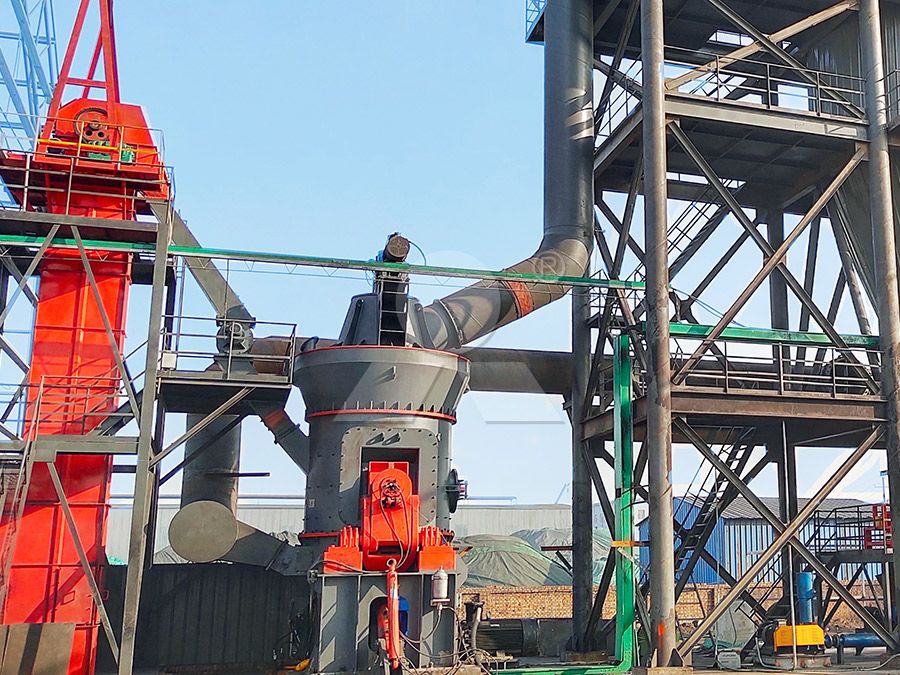
The evolution of vertical grinding has been significantly boosted by digitalization. Modern machines, like our LUM Ultrafine Vertical Grinding Mill, incorporate the latest technologies for unmatched precision. The LUM mill, with an input size of 0-10 mm and a capacity of 5-18 tph, integrates ultrafine powder grinding, grading, and transporting. It features higher yielding rates and better quality output due to its unique roller shell and lining plate grinding curve, which is easier to generate material layer and realize a high rate of finished products in a single pass. Its more energy-saving multi-head powder separating technology and double position-limiting technology ensure operation is not only efficient but also remarkably stable and reliable.
By adopting such advanced vertical grinding solutions, manufacturers can achieve the extreme precision demanded by the automotive sector, ensuring every clutch plate and pressure plate performs flawlessly under pressure.
Conclusion
Investing in the right vertical grinding technology is a critical decision for any serious player in the clutch and pressure plate market. It’s not merely a purchase of a machine; it’s an investment in precision, reliability, and ultimately, your product’s reputation. By focusing on machines that offer stability, precision, and support for high-quality raw material preparation, manufacturers can secure a competitive edge in a market where quality is non-negotiable.