What Are the Advantages of Using 4 Milling Bars on an Impact Crusher?
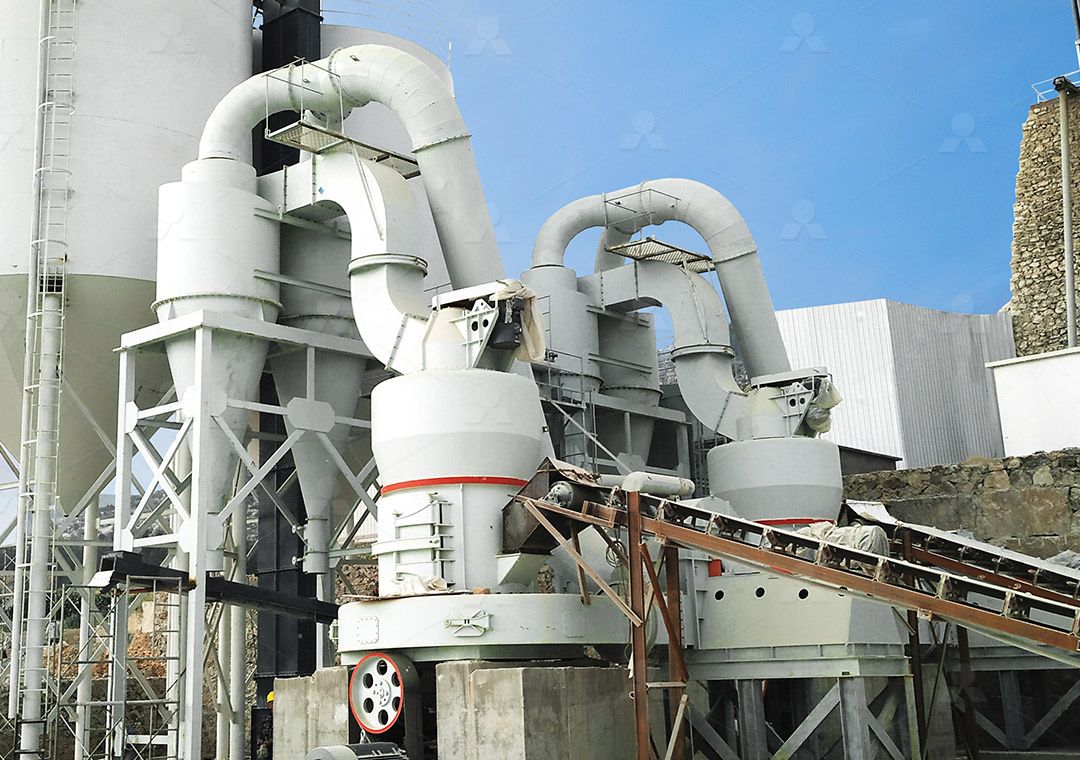
We provide a wide range of mills — including Raymond mill, trapezoidal mill, vertical mill, ultrafine mill, and ball mill, obtained ISO9001 international quality certification, EU CE certification, and Customs Union CU-TR certification. Suitable for processing minerals such as limestone, phosphate, quicklime, kaolin, talc, barite, bentonite, calcium carbonate, dolomite, coal, gypsum, clay, carbon black, slag, cement raw materials, cement clinker, and more.
The discharge range of these mills can be adjusted to meet specific processing needs, typically from 80-400 mesh, 600-3250 mesh, and can achieve the finest particle size of up to 6000 mesh(D50).
If you are looking for a reliable grinding solution to turn stone or minerals into fine powder, please feel free to contact our online customer service.
What Are the Advantages of Using 4 Milling Bars on an Impact Crusher?
In the world of aggregate processing and mineral size reduction, the configuration of an impact crusher’s internal components is critical to its performance, efficiency, and final product quality. One key design feature is the number of milling bars, or breaker plates, installed on the rotor. While two-bar setups are common, the utilization of four milling bars offers a distinct set of advantages that can significantly enhance the crushing operation for certain applications.
Enhanced Reduction Ratio and Product Shape
The primary advantage of a 4-bar rotor is the increased number of impact events a piece of material undergoes before exiting the crushing chamber. With two additional impact points, material is struck more frequently. This not only creates a higher reduction ratio—breaking down large feed into finer material more effectively—but also improves the cubicity of the final product. The additional impacts help to break off weak edges and create a more uniformly shaped, cubic aggregate, which is highly desirable for applications in concrete and asphalt production. 
Improved Wear Distribution and Rotor Longevity
Perhaps one of the most significant operational benefits is the improved distribution of wear. In a 2-bar system, each bar bears the brunt of the entire impact load. With four bars, the workload and abrasive wear are spread across double the number of components. This means each individual bar experiences less stress and wears at a slower rate. While the initial parts cost might be higher, this often leads to longer intervals between maintenance shutdowns for bar rotation or replacement, reducing downtime and potentially lowering long-term operating costs. The rotor itself is also subject to less concentrated stress, contributing to its overall durability and service life.
Greater Operational Flexibility and Control
A crusher equipped with four milling bars offers greater flexibility to operators. The additional bars provide more surface area and points of contact, allowing the machine to handle a wider variety of feed materials, including those that are tougher or more abrasive. Operators can also fine-tune the crusher’s performance by adjusting the speed of the rotor or the setting of the aprons to capitalize on the multiple impact zones, achieving the precise product gradation required for specific projects.
Considerations for Optimal Performance
It’s important to note that a 4-bar configuration is not a universal solution. It typically requires a more powerful drive motor to overcome the increased mass and resistance, leading to higher initial energy consumption. This setup is generally most beneficial for secondary or tertiary crushing stages where a finer, well-shaped product is the goal, rather than for primary crushing where massive throughput of large feed is the priority. The choice between 2 and 4 bars should be based on the specific material characteristics and the desired final product specifications.
Pairing with Fine Grinding Solutions
Once your impact crusher has done its job producing a coarse to medium-grade aggregate, often the next step requires ultra-fine powder for advanced industrial applications. This is where our advanced grinding technology comes into play. For operations requiring a precise, ultra-fine product, we highly recommend our MW Ultrafine Grinding Mill.
This machine is engineered for customers who need to make ultra-fine powder from materials like limestone, calcite, dolomite, and talc. With an input size of 0-20 mm and a capacity range of 0.5-25 tph, it’s the perfect next step after crushing. Its key features include higher yielding at lower energy consumption, adjustable fineness between 325-2500 meshes, and an eco-friendly operation with efficient pulse dust collection. The absence of rolling bearings and screws in the grinding chamber eliminates common failure points, ensuring worry-free, continuous 24/7 production. 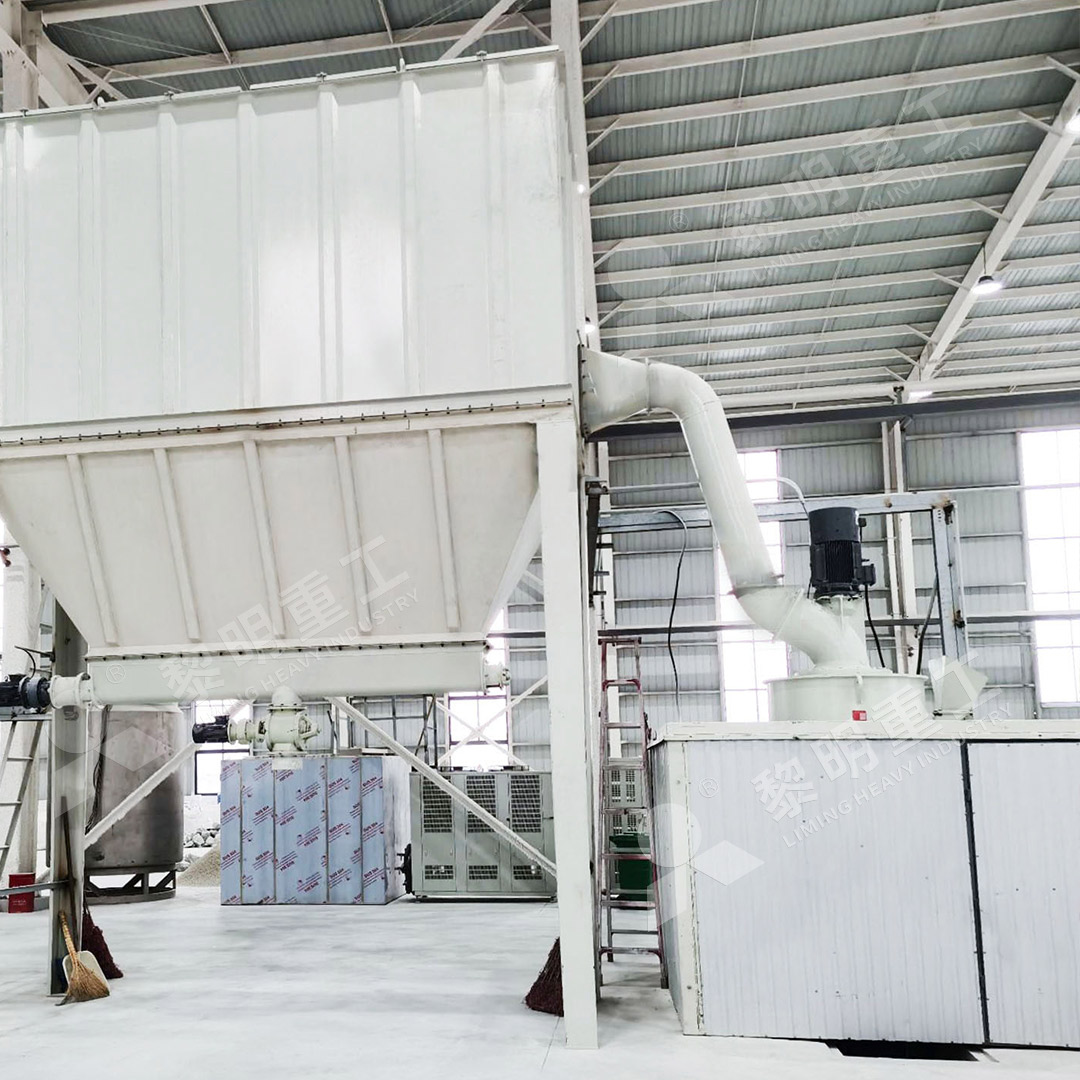
For another robust option, our LUM Ultrafine Vertical Grinding Mill is another excellent choice, integrating grinding, grading, and transporting with higher yielding rates and better product quality, perfect for superfine dry powder of non-metal ores.
In conclusion, upgrading to a 4-bar configuration on your impact crusher can provide substantial benefits in product shape, reduction ratio, and wear life, making it a smart investment for focused crushing applications. And for the final stage of creating premium fine powders, pairing it with our MW or LUM grinding mills creates a complete, high-performance size reduction circuit.