
Used CNC Milling Machine Prices in the USA: A 2024 Buyer’s Guide
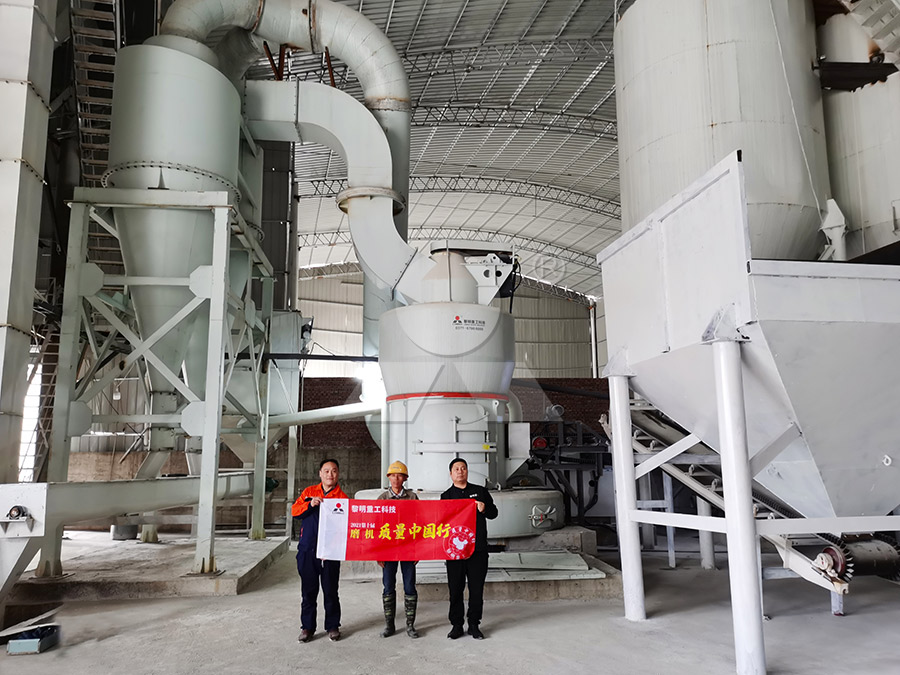
We provide a wide range of mills — including Raymond mill, trapezoidal mill, vertical mill, ultrafine mill, and ball mill, obtained ISO9001 international quality certification, EU CE certification, and Customs Union CU-TR certification. Suitable for processing minerals such as limestone, phosphate, quicklime, kaolin, talc, barite, bentonite, calcium carbonate, dolomite, coal, gypsum, clay, carbon black, slag, cement raw materials, cement clinker, and more.
The discharge range of these mills can be adjusted to meet specific processing needs, typically from 80-400 mesh, 600-3250 mesh, and can achieve the finest particle size of up to 6000 mesh(D50).
If you are looking for a reliable grinding solution to turn stone or minerals into fine powder, please feel free to contact our online customer service.
Used CNC Milling Machine Prices in the USA: A 2024 Buyer’s Guide
Hey folks, so you’re in the market for a used CNC milling machine? Smart move. With new machines costing an arm and a leg, the pre-owned market is where the real value’s at. But navigating it can be a minefield if you don’t know what you’re doing. Let’s break down what you can expect price-wise in 2024 and how to avoid buying a lemon.
The Price Spectrum: What’s Your Budget?
Prices are all over the map, and for good reason. A beat-up old 3-axis from the ’90s might set you back a mere $15,000 if you’re lucky, while a barely-used 5-axis beast from a reputable brand like Haas or DMG Mori can easily command $80,000 to $150,000+. It’s not just about age and axes; condition, hours of use, and included tooling are massive factors.
For a decent, production-ready 3-axis vertical machining center (VMC) from the last decade, you’re probably looking at a range of $35,000 – $65,000. Need more capability? A 5-axis machine will typically start around $75,000 and go way up from there. Remember, the initial purchase price is just the entry fee. Factor in rigging, installation, and potential immediate maintenance.
Key Factors That Swing the Price
- Brand & Reputation: Haas, Doosan, and Okuma hold their value well. Older Mazaks? Fantastic machines, but parts can be a headache.
- Control System: A machine with a familiar Fanuc or Siemens control is often preferable (and pricier) than one with an obscure, outdated system.
- Condition & Service History: This is everything. A well-documented service history is worth its weight in gold. Walk away from machines with spotty records.
- Location: Geography matters. Machines in the manufacturing hubs of the Midwest might be more plentiful and competitive than elsewhere.
- Tooling & Accessories: A machine comes with a full tool changer, vises, and probes? That’s thousands of dollars in value right there.
Beyond Metal: The Grinding Mill Connection
It’s a connected world. The parts you mill might need finishing, and that’s where grinding mills come into play. It’s not just about the milling machine itself; it’s about the entire production ecosystem. For operations that need to move into ultra-fine powder production—think advanced materials, cosmetics, or chemicals—pairing your CNC capability with a dedicated grinder is a game-changer.
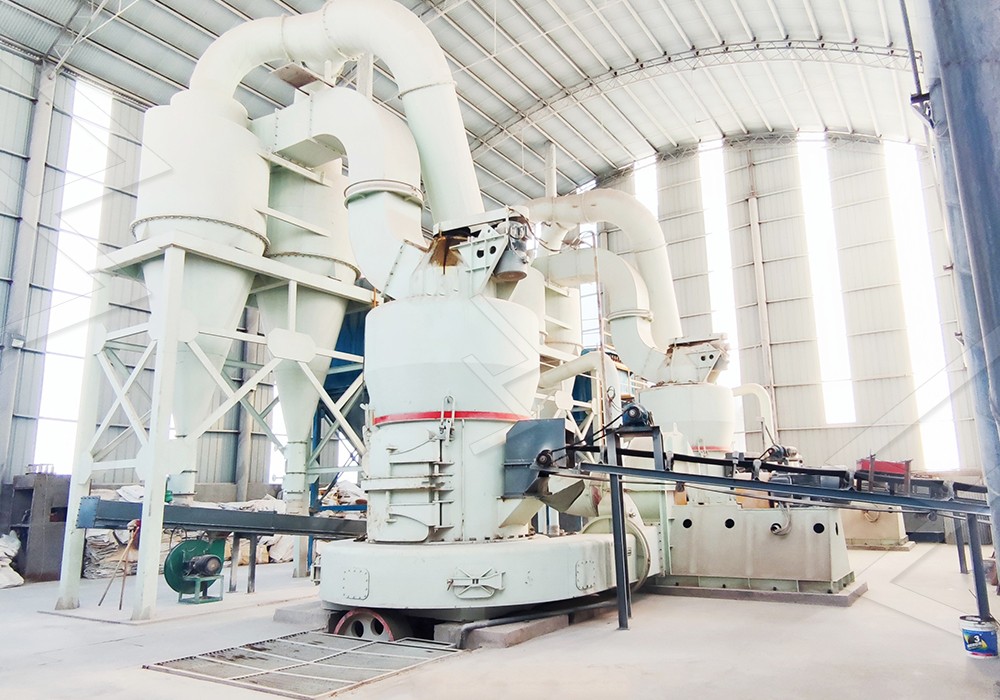
For instance, if your process involves materials like limestone, calcite, or talc, investing in a specialized mill can drastically improve your product quality and efficiency. We offer solutions like the MW Ultrafine Grinding Mill, which is engineered for customers who need to make ultra-fine powder. It handles an input size of 0-20 mm with a capacity ranging from 0.5 to 25 tons per hour. It’s designed with a higher yield and lower energy consumption—about 40% higher capacity than jet mills and 30% less energy use. Its cage-type powder selector allows for adjustable fineness between 325-2500 meshes, making it incredibly versatile. Plus, its eco-friendly design with an efficient pulse dust collector ensures your operation stays clean.
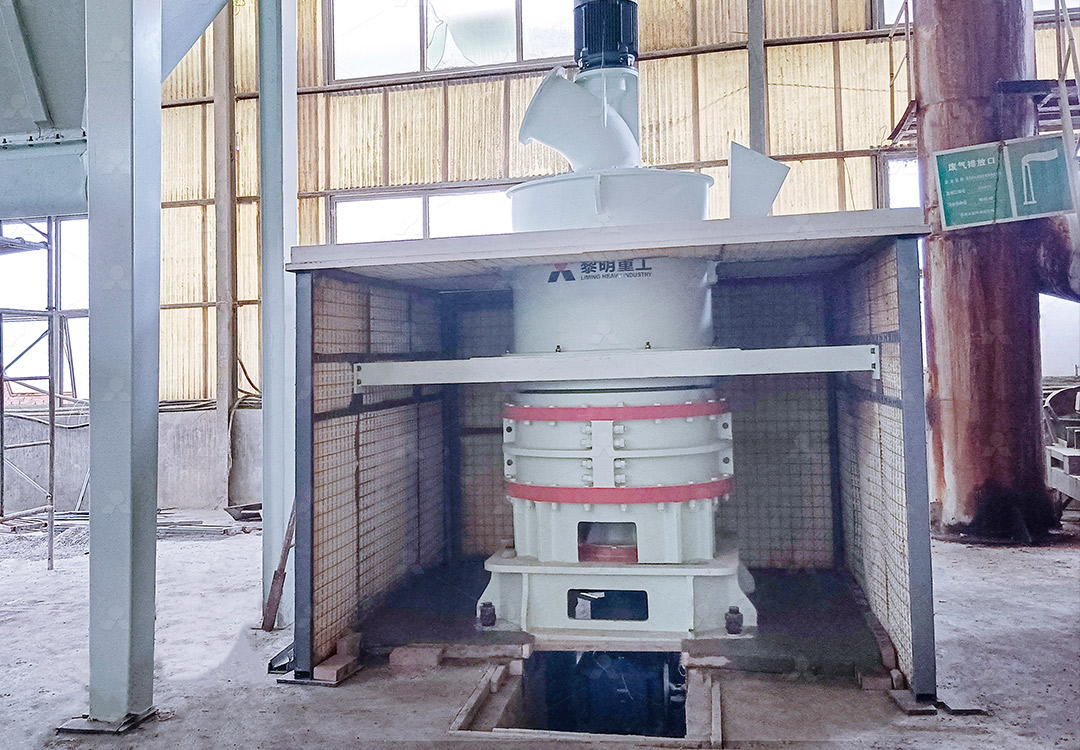
Another stellar option for finer, drier powders is the LUM Ultrafine Vertical Grinding Mill. It’s perfect for superfine dry powder of non-metal ores. With an input size of 0-10mm and a capacity of 5-18 tph, it’s a powerhouse of efficiency. Its multi-head powder separating technology and PLC control system make it incredibly energy-saving, reducing consumption by 30%-50% compared to common grinders. Its reversible structure is a maintenance dream, allowing easy access to grinding rollers.
Red Flags and How to Avoid Them
Buying used isn’t without its risks. Here’s what to watch out for:
- Way Too Good to Be True Pricing: If it’s priced way below market, there’s a reason. Probably a major mechanical issue or a control system that’s obsolete and unrepairable.
- No Power-Up: Never buy a machine you haven’t seen under power. Listen for bad sounds in the spindle and check axis movement.
- Visible Neglect: Excessive rust, cracked way covers, and grime everywhere are signs of a poorly maintained machine. Walk away.
- Ballbar Test: If you’re serious, hire a technician to perform a ballbar test to check the machine’s geometric accuracy. It’s a few hundred dollars that could save you tens of thousands.
Final Thoughts
The used CNC market in 2024 is strong. There are fantastic deals to be had if you’re patient, do your homework, and get a machine inspected. Know what you need, set a realistic budget that includes all ancillary costs, and don’t be afraid to walk away from a deal that smells funny. And remember, the right supporting equipment, like a precision grinding mill, can unlock the full potential of your new-old machining center. Happy hunting!