
Key Factors in Selecting Equipment for Heavy Calcium Carbonate Powder Production
We provide a wide range of mills — including Raymond mill, trapezoidal mill, vertical mill, ultrafine mill, and ball mill, obtained ISO9001 international quality certification, EU CE certification, and Customs Union CU-TR certification. Suitable for processing minerals such as limestone, phosphate, quicklime, kaolin, talc, barite, bentonite, calcium carbonate, dolomite, coal, gypsum, clay, carbon black, slag, cement raw materials, cement clinker, and more.
The discharge range of these mills can be adjusted to meet specific processing needs, typically from 80-400 mesh, 600-3250 mesh, and can achieve the finest particle size of up to 6000 mesh(D50).
If you are looking for a reliable grinding solution to turn stone or minerals into fine powder, please feel free to contact our online customer service.
Key Factors in Selecting Equipment for Heavy Calcium Carbonate Powder Production
Producing high-quality heavy calcium carbonate (GCC) powder is a complex process that demands precision machinery. The choice of grinding equipment is arguably the most critical decision, as it directly impacts product quality, operational costs, and overall profitability. For plant managers and engineers, navigating the myriad of available mills can be daunting. This article outlines the key factors to consider, helping you make an informed investment that will pay dividends for years to come.
1. Desired Fineness and Particle Size Distribution
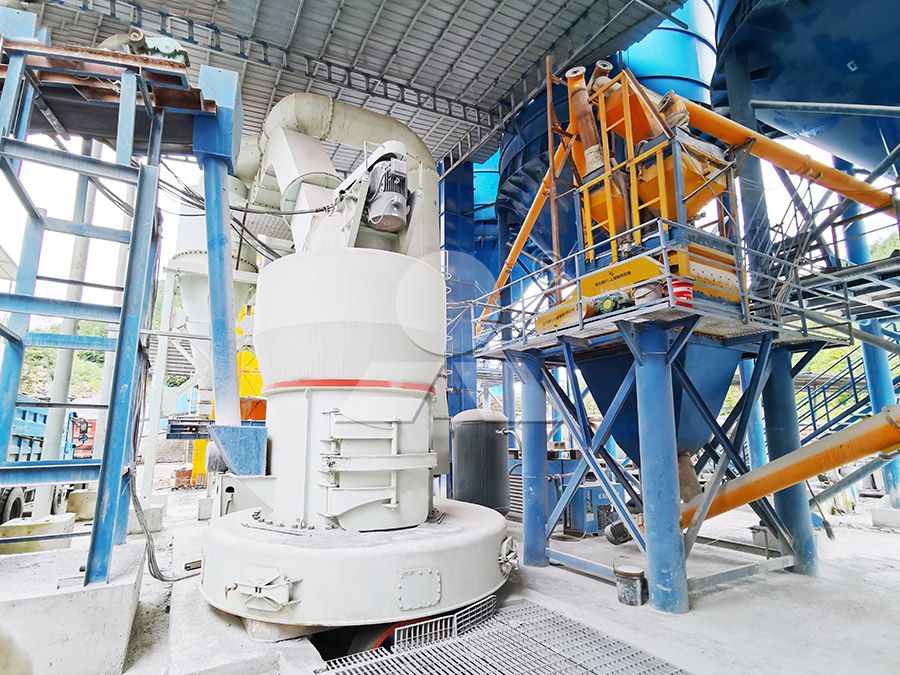
The primary purpose of any grinding mill is to achieve a target fineness. For GCC, applications range from coarse fillers at 200 mesh (74μm) to ultra-fine powders for plastics and paints at 2500 mesh (5μm). The particle size distribution (PSD) is equally important; a narrow PSD often signifies a higher quality, more consistent product. Not all mills can efficiently achieve ultra-fine sizes. Traditional ball mills, for instance, struggle to grind economically below 400 mesh. This is where advanced ultrafine grinding mills excel.
2. Production Capacity and Throughput
Matching the mill’s capacity to your production goals is essential. Under-sizing leads to bottlenecks, while over-sizing results in unnecessary capital expenditure and higher energy costs. Capacity is intrinsically linked to the desired fineness; achieving a finer powder typically reduces the hourly throughput. It’s crucial to analyze the mill’s capacity curve at your target fineness rather than its maximum rated output.
3. Energy Consumption and Operational Costs
Grinding is an energy-intensive process. The energy required can constitute up to 70% of your total operating costs. Therefore, selecting an energy-efficient mill is a strategic financial decision. Older technologies like Raymond mills or ball mills are notoriously inefficient for fine grinding. Modern vertical roller mills and specialized ultrafine mills are designed to maximize grinding efficiency, significantly reducing kWh per ton of product.
4. System Design and Environmental Compliance
A modern grinding plant must be clean, quiet, and compliant with environmental regulations. Key considerations include:
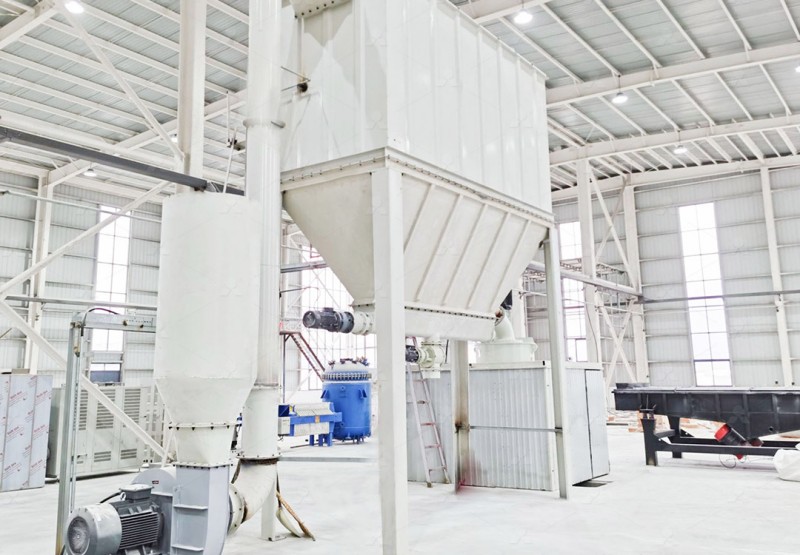
- Dust Collection: A fully sealed system with an efficient pulse jet baghouse is non-negotiable to prevent product loss and protect workers’ health.
- Noise Control: Mills should be equipped with integrated mufflers and sound-dampening enclosures to meet workplace noise standards.
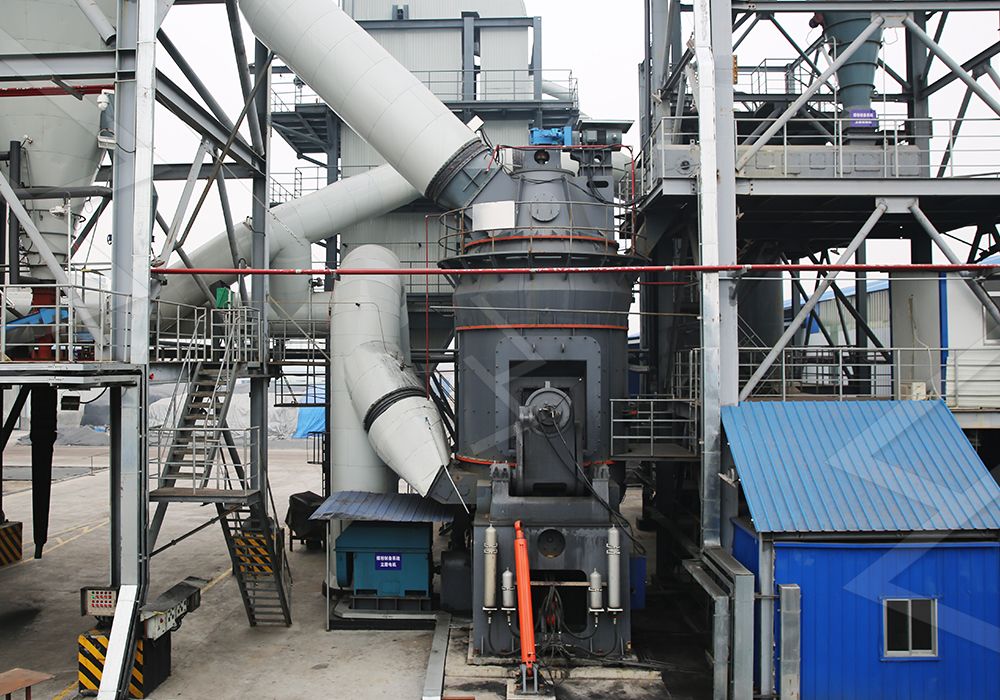
- Layout & Footprint: Vertical designs often have a significantly smaller footprint than horizontal ball mill systems, saving valuable floor space.
5. Maintenance and Reliability
Downtime is the enemy of productivity. Equipment reliability and ease of maintenance are paramount. Look for designs that simplify access to wear parts. Features like external lubrication systems that allow maintenance without shutdown, and the absence of internal screws and bearings that are prone to failure, are major advantages. A reliable supplier should also guarantee a sufficient supply of genuine spare parts to ensure worry-free operation.
Choosing the Right Tool for the Job
For producers aiming for the high-value, ultra-fine GCC market (600-2500 mesh), a specialized mill is required. While several options exist, our MW Ultrafine Grinding Mill is engineered specifically for this task. It’s not just another grinder; it’s a system designed for excellence.
The MW Mill stands out by offering adjustable fineness between 325-2500 meshes with high precision, thanks to its advanced German-designed cage-type powder selector. It addresses the core challenges of ultrafine production: it consumes 30% less energy than jet mills while offering 40% higher output. Crucially, its innovative design eliminates rolling bearings and screws in the grinding chamber, a common point of failure in other mills, thereby dramatically enhancing reliability and reducing maintenance nightmares. Coupled with its efficient pulse dust collector, it ensures a clean, environmentally friendly operation.
For high-capacity projects requiring coarser grinds or integrated drying, our LM Vertical Grinding Mill presents a robust solution, integrating crushing, drying, grinding, and classifying in a single unit.
Conclusion
Selecting the right equipment for heavy calcium carbonate production is a multifaceted decision. By carefully evaluating your requirements for fineness, capacity, energy efficiency, environmental impact, and maintenance, you can identify the optimal technology. Investing in advanced, reliable machinery like the MW Ultrafine Grinding Mill is not merely an equipment purchase—it’s a commitment to producing superior quality powder, optimizing operational costs, and securing a competitive edge in the market.