How to Choose the Right Material for Hammer Mill Hammer Design
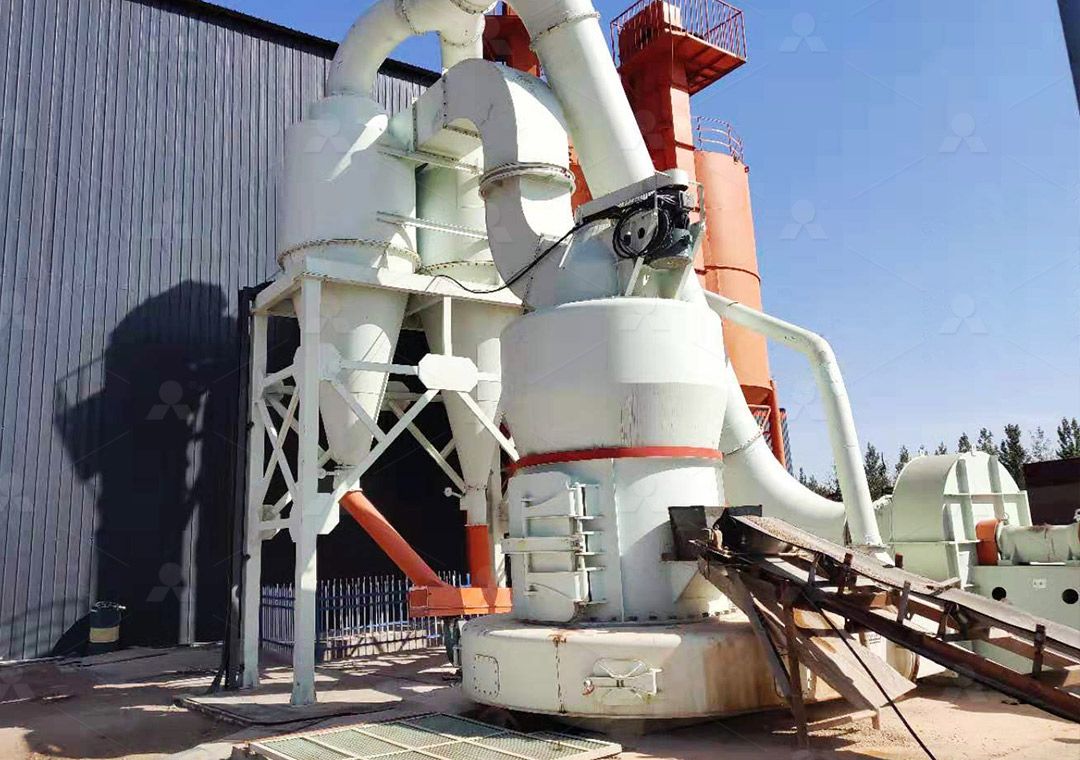
We provide a wide range of mills — including Raymond mill, trapezoidal mill, vertical mill, ultrafine mill, and ball mill, obtained ISO9001 international quality certification, EU CE certification, and Customs Union CU-TR certification. Suitable for processing minerals such as limestone, phosphate, quicklime, kaolin, talc, barite, bentonite, calcium carbonate, dolomite, coal, gypsum, clay, carbon black, slag, cement raw materials, cement clinker, and more.
The discharge range of these mills can be adjusted to meet specific processing needs, typically from 80-400 mesh, 600-3250 mesh, and can achieve the finest particle size of up to 6000 mesh(D50).
If you are looking for a reliable grinding solution to turn stone or minerals into fine powder, please feel free to contact our online customer service.
How to Choose the Right Material for Hammer Mill Hammer Design
Selecting the correct material for your hammer mill hammers is a critical decision that directly impacts your operation’s efficiency, maintenance costs, and final product quality. It’s not a one-size-fits-all scenario; the optimal choice depends on the material you’re processing, its abrasiveness, and your desired production goals. Let’s break down the key considerations.
Key Factors in Material Selection
The primary enemy of any hammer is wear. You’re essentially trading hammer material for the size reduction of your feed stock. The goal is to maximize this trade-off. The main factors to consider are:
- Abrasion Resistance: This is the material’s ability to resist being worn away by friction. It’s paramount for processing highly abrasive materials like silica, gravel, or recycled concrete. High-carbon steels and alloys with chromium are common choices.
- Impact Resistance: Can the hammer withstand repeated blows without cracking or shattering? This is crucial for processing tough, dense materials or when tramp metal might enter the mill. Manganese steel is famous for its work-hardening ability and excellent impact resistance.
- Hardness: A harder material will generally resist abrasion better but can be more brittle. Finding the right balance between hardness and toughness is the art of hammer selection.
- Cost & Lifespan: A cheaper hammer that needs replacing twice as often is a false economy. Calculate the cost per ton of material processed for a true comparison.
Common Hammer Materials and Their Best Uses
- High Carbon Steel: A good, general-purpose choice. Offers a solid balance of hardness, toughness, and cost. Suitable for grinding grains, wood, and less abrasive minerals.
- Manganese Steel: The go-to for extreme impact applications. It work-hardens under impact, meaning its surface gets harder the more it’s struck. Ideal for crushing ore, aggregates, and recycling materials like cars and appliances.
- Chrome Steel & White Iron: These alloys provide superior abrasion resistance. They are excellent for processing highly abrasive materials but can be more susceptible to breakage under severe impact if not designed correctly.
- Bimetal & Cladded Hammers: These are the high-performance option. They combine a tough core (for impact resistance) with a hard, wear-resistant outer layer (for abrasion resistance). This offers the best of both worlds for the most demanding applications, though at a higher initial cost.
Beyond the Hammer: The Importance of the Entire Milling System
While hammer material is vital, it’s just one part of the equation. The efficiency of your entire grinding circuit is what ultimately determines your profitability. For operations requiring ultra-fine powders after initial crushing, pairing your hammer mill with a dedicated fine grinding mill is a strategic move.
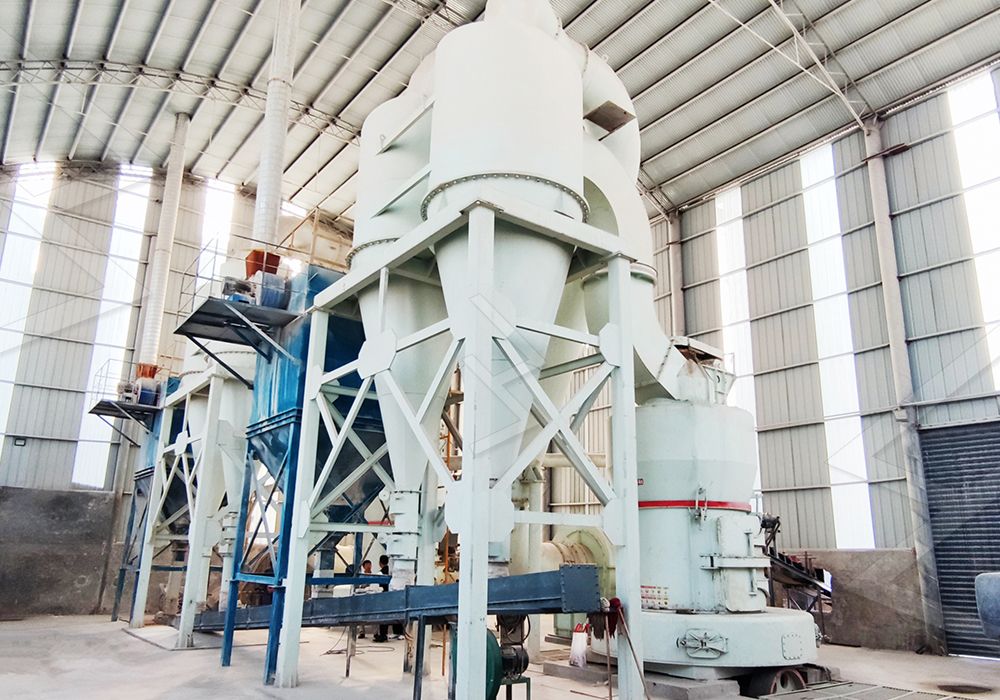
For instance, our MW Ultrafine Grinding Mill is an excellent downstream solution. With an input size of 0-20 mm and a capacity ranging from 0.5 to 25 tph, it’s perfectly suited to take the product from your hammer mill and refine it into high-value ultra-fine powder. Its innovative design features higher yielding and lower energy consumption—up to 40% higher capacity than jet mills. The adjustable fineness between 325-2500 meshes allows for precise product control, making it ideal for industries like cosmetics, paints, and advanced chemicals.
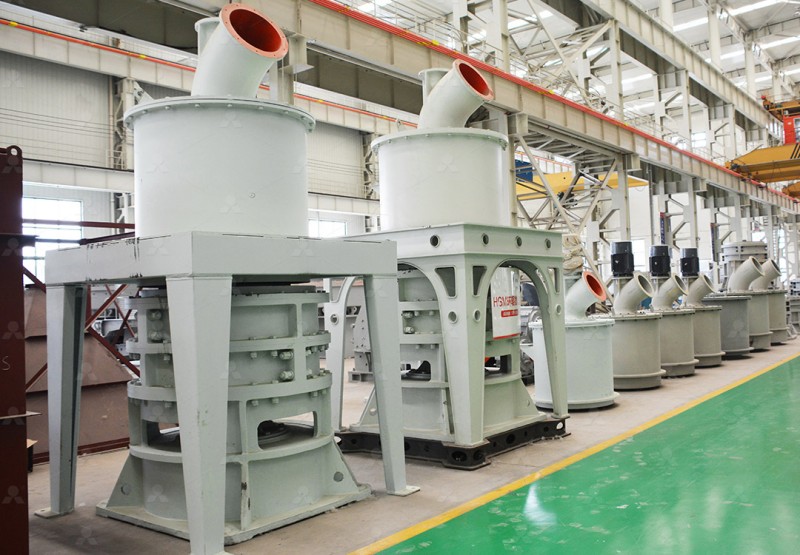
Another robust option for finer grinding needs is the LUM Ultrafine Vertical Grinding Mill. It handles input sizes up to 10 mm with a capacity of 5-18 tph. Its higher yielding rate and better quality output, thanks to a unique roller shell design, make it a powerhouse for producing superfine dry powders from non-metal ores. Its energy-saving multi-head powder separating technology can reduce energy consumption by 30%-50% compared to common grinding mills.
Conclusion: A Balanced Approach
There’s no single “best” material for hammer mill hammers. The right choice is a calculated balance between the abrasiveness and size of your feed material, your production volume, and your total operational budget. Start by analyzing your feedstock, then consult with a knowledgeable supplier to test different materials. Remember, investing in the right hammer material and complementing it with an efficient fine grinding system like the MW or LUM series can dramatically reduce your cost per ton and increase your overall productivity.