
Selecting the Right Mill for Calcium Carbonate Powder Production: A Guide to Equipment Types
We provide a wide range of mills — including Raymond mill, trapezoidal mill, vertical mill, ultrafine mill, and ball mill, obtained ISO9001 international quality certification, EU CE certification, and Customs Union CU-TR certification. Suitable for processing minerals such as limestone, phosphate, quicklime, kaolin, talc, barite, bentonite, calcium carbonate, dolomite, coal, gypsum, clay, carbon black, slag, cement raw materials, cement clinker, and more.
The discharge range of these mills can be adjusted to meet specific processing needs, typically from 80-400 mesh, 600-3250 mesh, and can achieve the finest particle size of up to 6000 mesh(D50).
If you are looking for a reliable grinding solution to turn stone or minerals into fine powder, please feel free to contact our online customer service.
Selecting the Right Mill for Calcium Carbonate Powder Production: A Guide to Equipment Types
Producing high-quality calcium carbonate powder requires precision, efficiency, and the right equipment. With various grinding mills on the market, choosing the best one for your specific needs can be challenging. This guide will walk you through the key considerations and highlight some top-performing machines, including our own industry-leading models.
Understanding Calcium Carbonate Grinding Requirements
Calcium carbonate (CaCO3) is a versatile material used in plastics, paints, coatings, paper, and many other industries. The required fineness can range from coarse (100 mesh) to ultra-fine (2500 mesh or higher). Different applications demand different particle size distributions, purity levels, and production capacities. Key factors to consider include:
- Desired fineness (mesh size)
- Required production capacity (tph)
- Energy consumption and operational costs
- Environmental regulations (dust and noise)
- Maintenance requirements and downtime
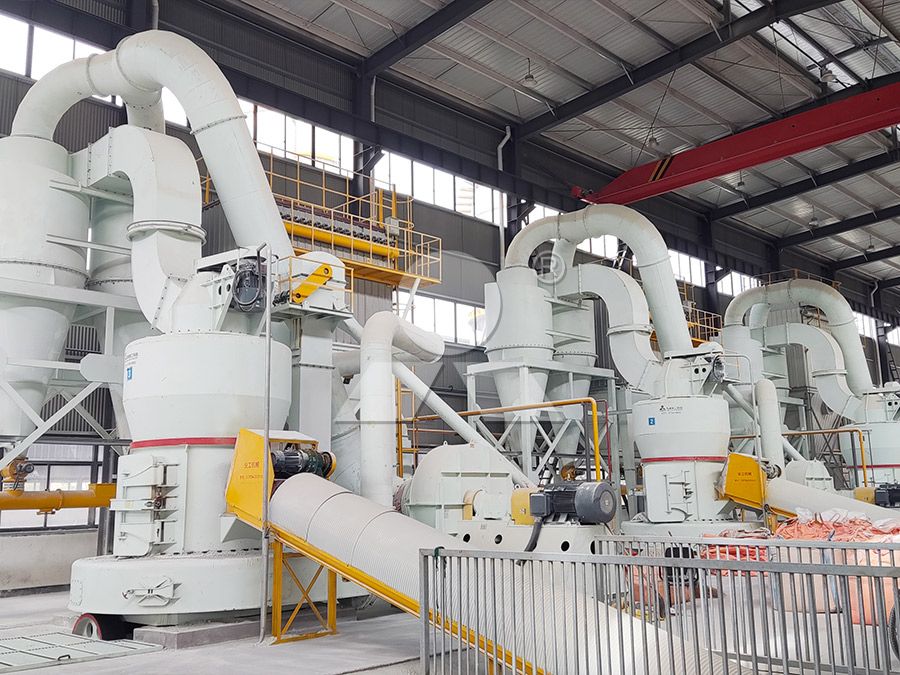
Types of Grinding Mills for Calcium Carbonate
Several mill types can process calcium carbonate, each with its advantages and limitations:
Ball Mills
Traditional ball mills are common but often inefficient for fine grinding. They consume more energy and have higher wear rates compared to newer technologies. However, they remain a low-cost option for coarse grinding.
Raymond Mills
Raymond mills are suitable for producing powders in the range of 80-400 mesh. They are reliable and have low investment costs but struggle with ultra-fine grinding requirements.
Vertical Roller Mills
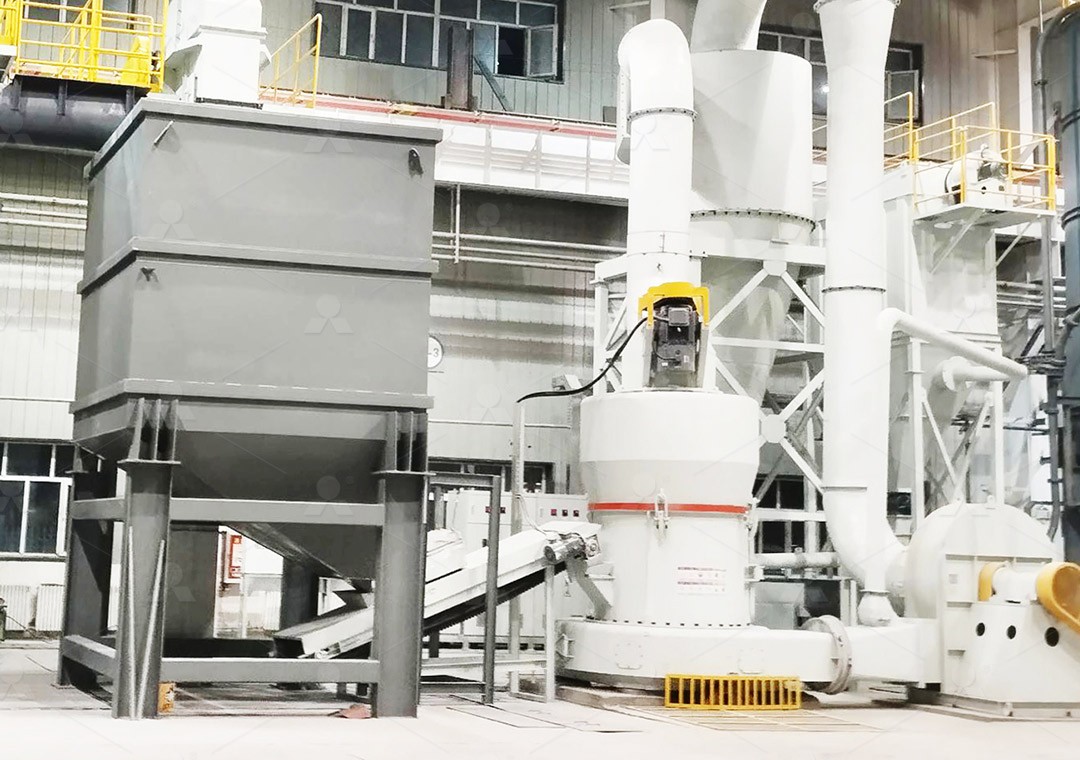
Vertical roller mills, like our LUM Ultrafine Vertical Grinding Mill, offer excellent efficiency for medium to fine grinding. They integrate drying, grinding, and classifying in a single unit, reducing footprint and energy use. The LUM model, with input size of 0-10 mm and capacity of 5-18 tph, is perfect for producing high-purity calcium carbonate with narrow particle size distribution.
Ultrafine Grinding Mills
For ultra-fine powders (325-2500 mesh), specialized mills are necessary. Our MW Ultrafine Grinding Mill is specifically designed for this purpose. With an input size of 0-20 mm and capacity ranging from 0.5-25 tph, it outperforms many competitors. Its innovative design features higher yielding and lower energy consumption—40% higher capacity than jet mills and half the energy use of ball mills. The adjustable fineness between 325-2500 meshes meets even the most stringent requirements.
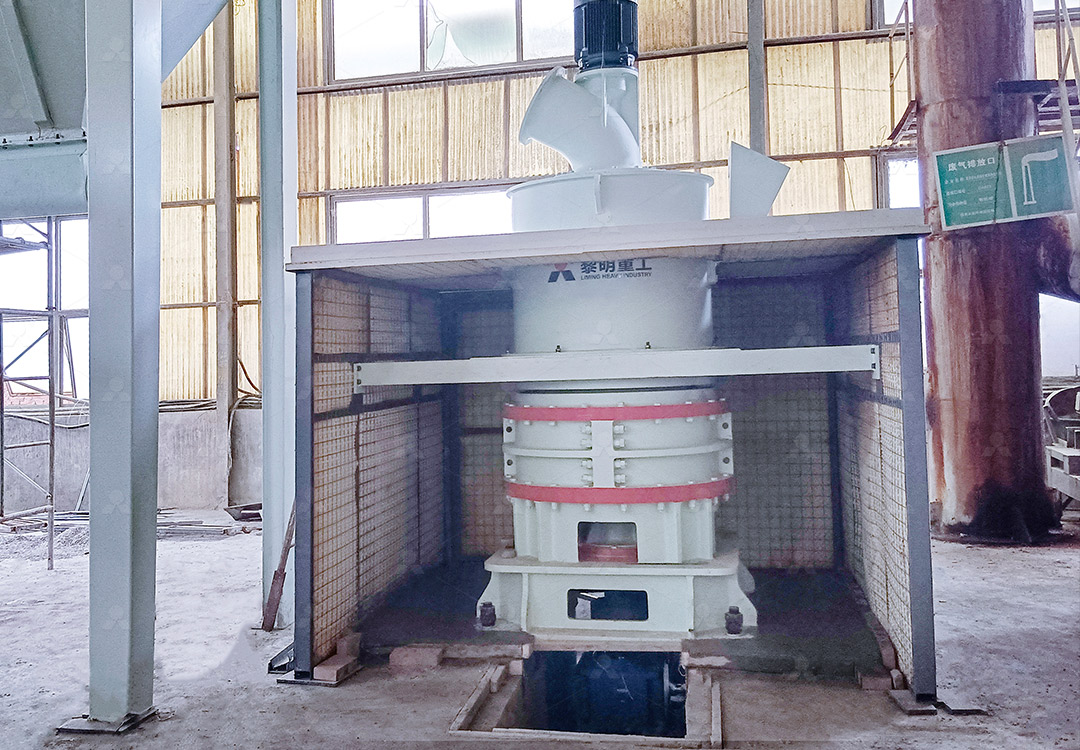
Why Choose MW Ultrafine Grinding Mill for Calcium Carbonate?
The MW Ultrafine Grinding Mill stands out for several reasons:
- Eco-Friendly Operation: Equipped with efficient pulse dust collectors and mufflers, it minimizes environmental impact.
- No Rolling Bearings in Grinding Chamber: This unique design eliminates concerns about bearing failures or loose screws causing downtime.
- High Precision and Efficiency: German-designed cage-type powder selectors ensure accurate particle separation and consistent quality.
- 24/7 Operation Capability: External lubrication allows continuous production without shutdowns for maintenance.
Conclusion
Selecting the right mill for calcium carbonate production depends on your specific needs for fineness, capacity, and operational efficiency. For ultra-fine applications, the MW Ultrafine Grinding Mill offers unparalleled performance, energy savings, and reliability. For integrated grinding and classifying with excellent product quality, the LUM Ultrafine Vertical Grinding Mill is an ideal choice. Both models are backed by our commitment to quality and customer support, ensuring worry-free operation and long-term success.
Investing in the right equipment not only improves product quality but also reduces operational costs and environmental impact. Contact us today to find the perfect solution for your calcium carbonate grinding needs.