
Optimizing Cement Production: The Role of Grinding Aids in Vertical Roller Mills
We provide a wide range of mills — including Raymond mill, trapezoidal mill, vertical mill, ultrafine mill, and ball mill, obtained ISO9001 international quality certification, EU CE certification, and Customs Union CU-TR certification. Suitable for processing minerals such as limestone, phosphate, quicklime, kaolin, talc, barite, bentonite, calcium carbonate, dolomite, coal, gypsum, clay, carbon black, slag, cement raw materials, cement clinker, and more.
The discharge range of these mills can be adjusted to meet specific processing needs, typically from 80-400 mesh, 600-3250 mesh, and can achieve the finest particle size of up to 6000 mesh(D50).
If you are looking for a reliable grinding solution to turn stone or minerals into fine powder, please feel free to contact our online customer service.
Optimizing Cement Production: The Role of Grinding Aids in Vertical Roller Mills
In the relentless pursuit of efficiency and sustainability within the cement industry, the optimization of grinding processes stands as a critical frontier. Vertical Roller Mills (VRMs) have become the workhorse of modern cement plants, lauded for their lower energy consumption and compact footprint compared to traditional ball mills. However, even the most advanced milling technology can be further enhanced. This is where the strategic use of specialized grinding aids becomes paramount, transforming raw material processing into a finely tuned, highly efficient operation.
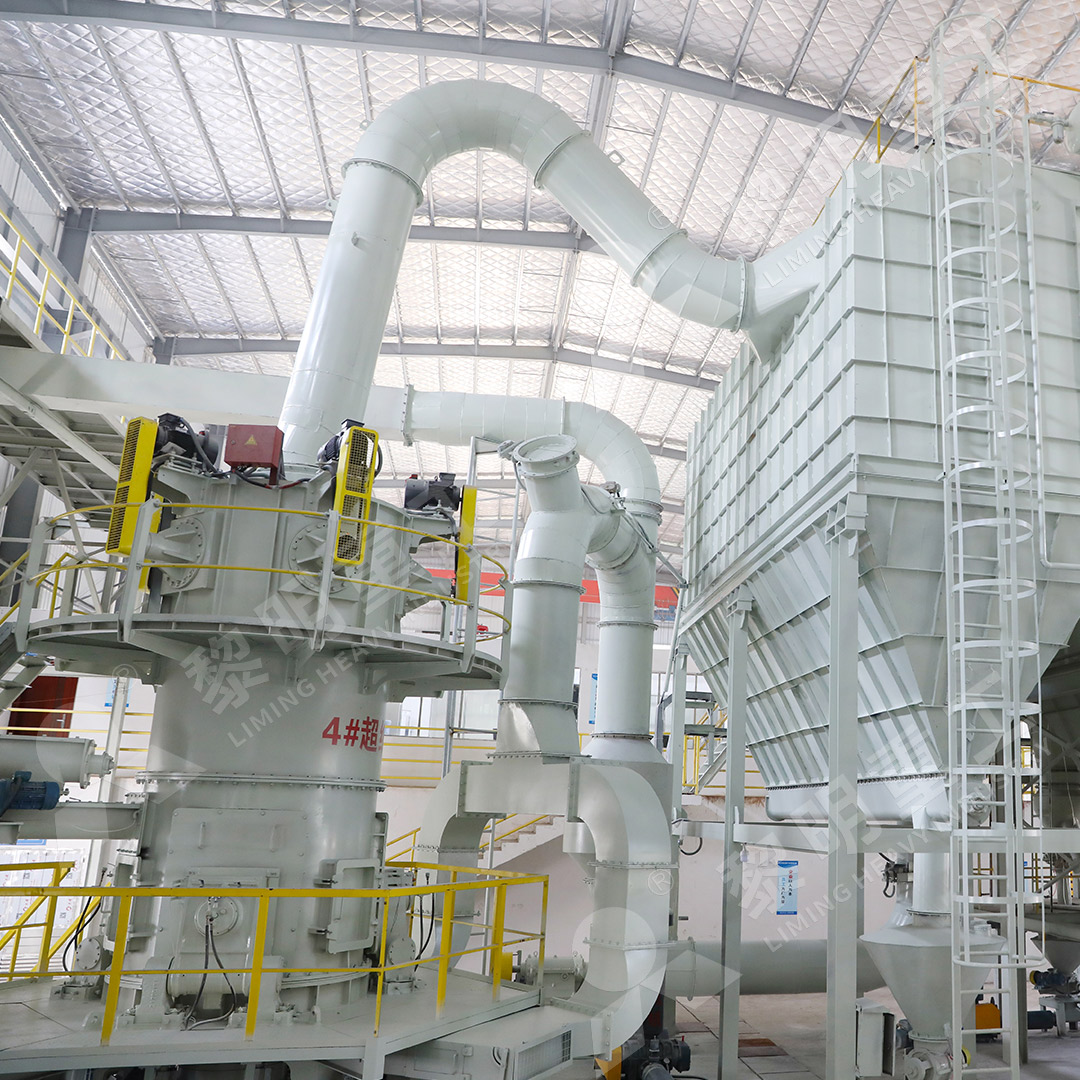
The core challenge in any grinding operation is overcoming the agglomeration of fine particles and the coating of the mill’s internals, phenomena that drastically reduce milling efficiency and increase power draw. Grinding aids are chemical additives, often injected in minute quantities (typically 0.01% – 0.03% of the feed weight), that address these very issues. They function primarily by reducing the surface energy of newly created particles, preventing them from re-agglomerating. This results in a more free-flowing powder, reduced mill vibration, and a significant boost in throughput capacity—often by 10-25%. Furthermore, by minimizing ball coating and improving material flow, they contribute to a notable reduction in specific energy consumption, a key metric for any cost-conscious operation.
Selecting the Right Tool for the Job
While grinding aids provide the chemical key to unlock a VRM’s potential, the mechanical foundation is just as crucial. The mill itself must be engineered for precision, reliability, and high performance. For operations requiring ultra-fine powders, a specialized solution is often necessary.
For instance, our MW Ultrafine Grinding Mill is engineered specifically for customers who need to produce superior ultra-fine powder. With an input size of 0-20 mm and a capacity range of 0.5-25 tph, it is remarkably versatile. Its design incorporates several innovative features that synergize perfectly with grinding aid technology. The higher yielding and lower energy consumption are achieved through newly designed grinding curves, offering a 40% higher capacity than jet mills at the same power. Crucially, its cage-type powder selector allows for precise fineness adjustment between 325-2500 meshes, ensuring the product meets exact specifications. The absence of rolling bearings and screws in the grinding chamber eliminates common failure points, ensuring worry-free, continuous 24/7 operation that grinding aids can further stabilize and enhance.
A Synergistic Relationship for Peak Performance
The true magic happens when robust mill engineering meets sophisticated chemistry. Introducing a grinding aid into a system like the MW Ultrafine Grinding Mill creates a powerful synergy. The chemical agent reduces inter-particle cohesion, allowing the mill’s mechanically efficient grinding curves and precision separator to work on a more receptive material. This leads to:
- Maximized Output: Higher production rates without increasing mill load or energy.
- Enhanced Product Quality: A narrower, more consistent particle size distribution.
- Reduced Maintenance Downtime: Less coating and wear on grinding components.
- Improved Sustainability: Lower kWh per ton of product translates to a reduced carbon footprint.
Another exceptional option for fine and ultra-fine grinding is our LUM Ultrafine Vertical Grinding Mill. It integrates the latest grinding roller and powder separating technology, offering exceptional energy savings of 30%-50% and featuring a unique reversible structure that makes maintenance quicker and easier, further minimizing operational downtime.
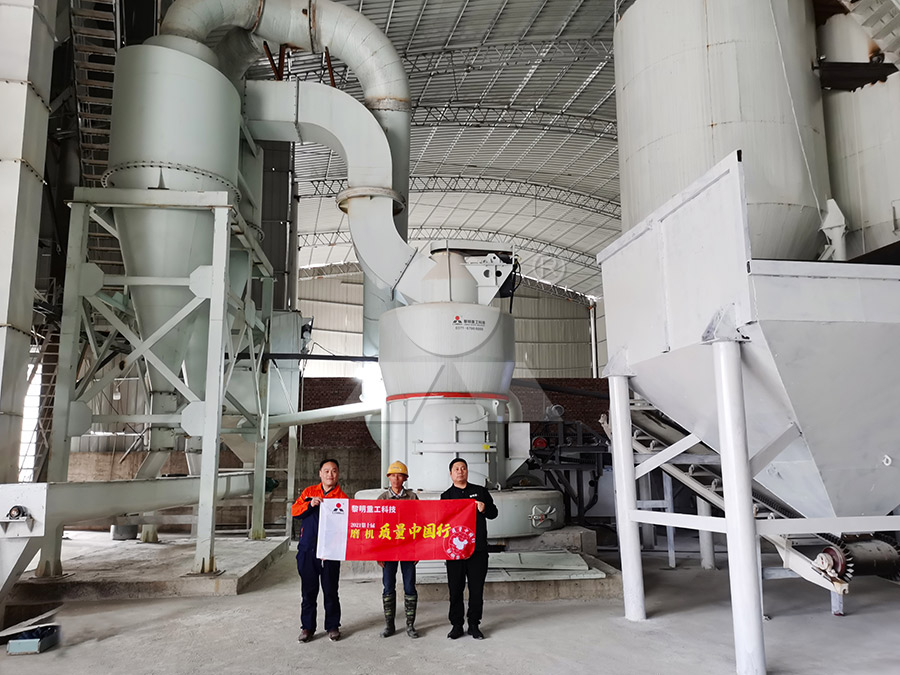
In conclusion, the path to optimized cement production is not a choice between advanced machinery and process chemistry; it is the integration of both. Investing in a high-performance Vertical Roller Mill, such as our MW or LUM series, and pairing it with a tailored grinding aid program is the most effective strategy to achieve unparalleled efficiency, product quality, and operational cost savings in today’s competitive market.