
Function of Classifier in Coal Mill: How It Works and Why It Matters
We provide a wide range of mills — including Raymond mill, trapezoidal mill, vertical mill, ultrafine mill, and ball mill, obtained ISO9001 international quality certification, EU CE certification, and Customs Union CU-TR certification. Suitable for processing minerals such as limestone, phosphate, quicklime, kaolin, talc, barite, bentonite, calcium carbonate, dolomite, coal, gypsum, clay, carbon black, slag, cement raw materials, cement clinker, and more.
The discharge range of these mills can be adjusted to meet specific processing needs, typically from 80-400 mesh, 600-3250 mesh, and can achieve the finest particle size of up to 6000 mesh(D50).
If you are looking for a reliable grinding solution to turn stone or minerals into fine powder, please feel free to contact our online customer service.
Function of Classifier in Coal Mill: How It Works and Why It Matters
In the intricate world of coal pulverization, the grinding mill often steals the spotlight. However, seasoned engineers know that the true maestro of product quality and system efficiency is often the classifier. This critical component, though less glamorous, is the gatekeeper that determines the final particle size distribution of your coal powder, directly impacting combustion efficiency, emissions, and overall operational cost.
The Critical Role: More Than Just a Sieve
A classifier in a coal mill isn’t just a simple screen. It’s a dynamic, air-mechanical system responsible for separating fine, properly ground particles from coarse ones that need further reduction. As ground coal is carried upwards by the mill’s air stream, it enters the classifier. Here, rotating blades or vanes generate a centrifugal force. Coarse particles are thrown outward against the classifier walls and fall back into the grinding zone for further processing. Meanwhile, fine particles, succumbing to the drag force of the air, pass through the selector and are transported out of the mill as the final product.
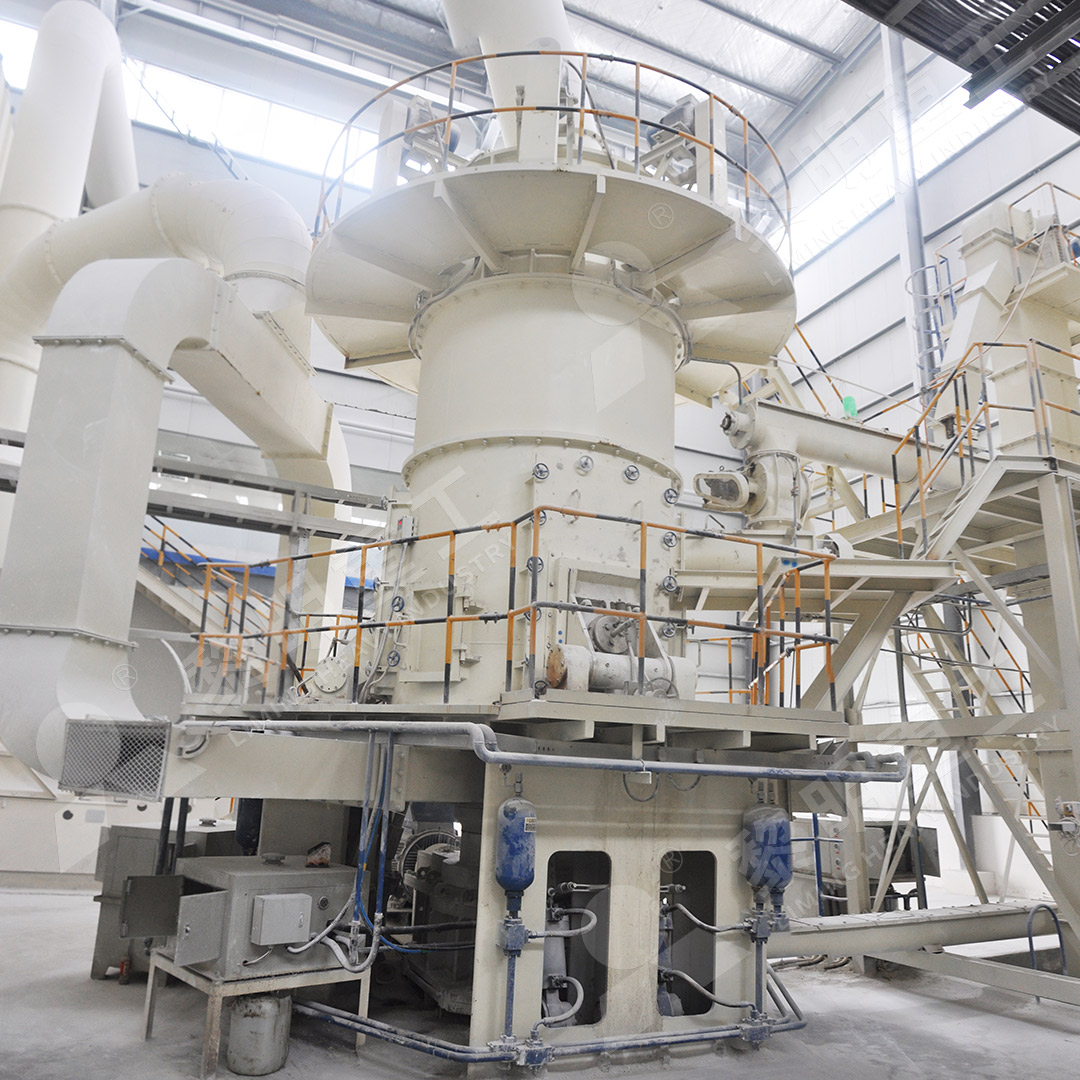
Why does this matter so much? An inefficient classifier allows coarse particles to escape. This leads to incomplete combustion in the boiler, higher carbon-in-ash loss, and potential slagging. Conversely, an overly restrictive classifier forces fine particles to recirculate, wasting energy on over-grinding and increasing mill power consumption and wear. The precision of classification is paramount.
Elevating Performance with Advanced Mill Technology
This is where the design of the entire grinding system, especially the classifier, becomes crucial. Modern mills integrate highly efficient, multi-head cage-type powder selectors that offer unparalleled control over fineness. For operations requiring superior ultra-fine coal powder for specialized applications like injection or advanced combustion systems, selecting the right mill is everything.
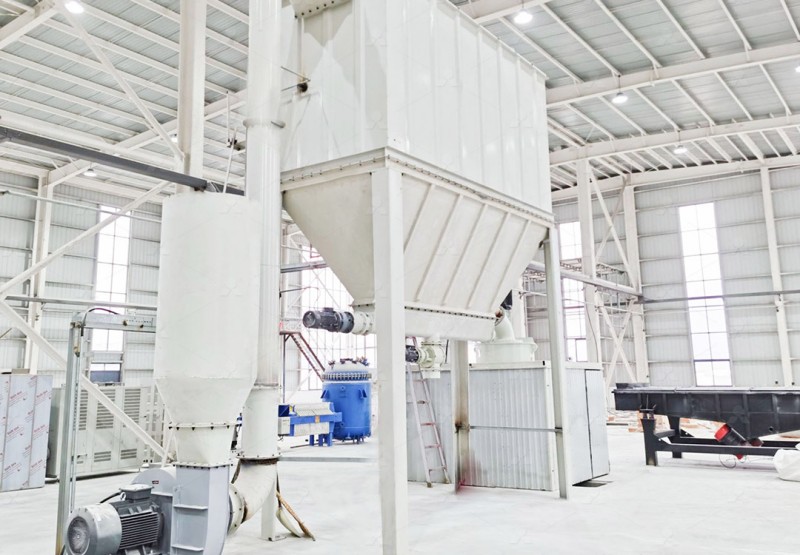
Our MW Ultrafine Grinding Mill is engineered to excel in this regard. It’s equipped with an advanced cage-type powder selector incorporating German technology, which dramatically increases the precision of powder separation. This allows operators to accurately adjust the product fineness between 325-2500 meshes, achieving a remarkable screening rate of d97≤5μm in a single pass. For coal applications, this means you can consistently produce the exact particle size distribution needed for maximum thermal efficiency and minimal unburned carbon.
Beyond Classification: The Holistic System Approach
A great classifier is let down by a poor grinding mechanism, and vice versa. The entire system must work in harmony. The MW Mill’s design eliminates rolling bearings and screws from the grinding chamber, removing common failure points and concerns about loose parts contaminating the product or causing downtime. Furthermore, its efficient pulse dust collector ensures the entire milling process is environmentally sound, containing dust and facilitating a cleaner, safer operation—a non-negotiable aspect in modern coal processing.
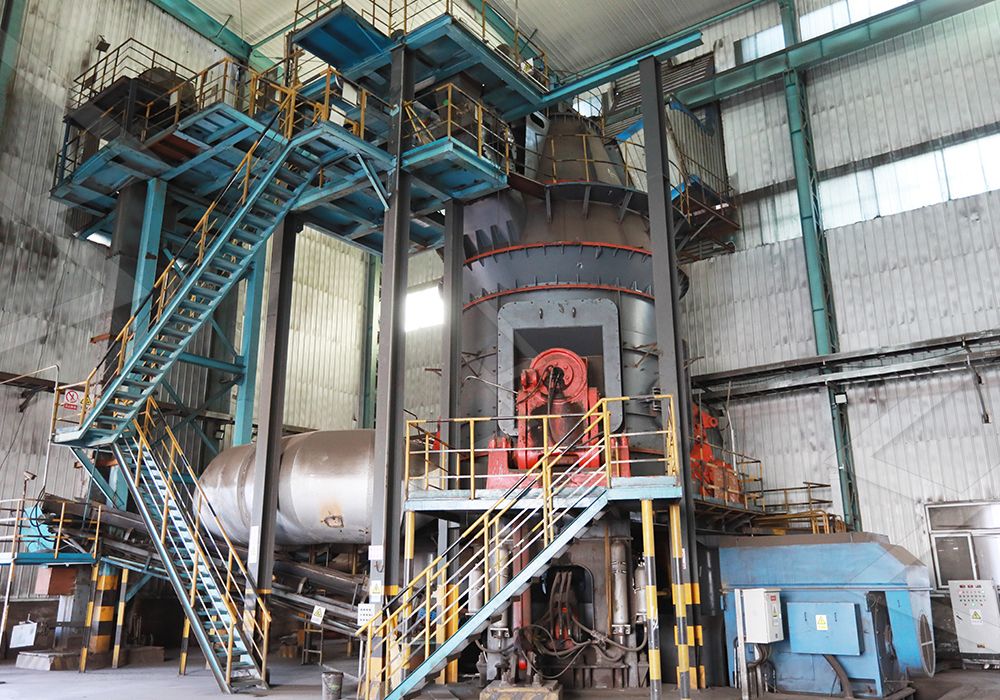
For larger-scale coal preparation needs, such as in power plant boilers, our LM Vertical Coal Mill presents another robust solution. It integrates drying, grinding, classifying, and conveying into a single, compact unit. Its design includes limit devices to prevent roller-to-table contact, ensuring stability and reliability. The classification system within the LM Vertical Mill works synergistically with its high-efficiency grinding rollers to produce a stable, high-quality product with a narrow particle size distribution, optimal for combustion.
The Bottom Line: Why It All Matters
Ignoring the classifier is like tuning an engine but leaving the fuel injectors clogged. The classifier is the final and most critical check point for product quality. Its precise operation directly translates to:
- Higher Combustion Efficiency: Optimal particle size ensures complete burning.
- Lower Energy Consumption: No wasted power on over-grinding.
- Reduced Wear & Tear: Minimized recirculation of fines reduces abrasive load.
- Operational Consistency: Delivers a uniform product, batch after batch.
In conclusion, while the grinder does the brute work, the classifier provides the finesse. Investing in a milling system with a sophisticated, reliable classifier isn’t an option; it’s a necessity for anyone serious about efficiency, cost-savings, and environmental compliance in coal processing. Our MW and LM series mills are designed with this fundamental truth at their core.