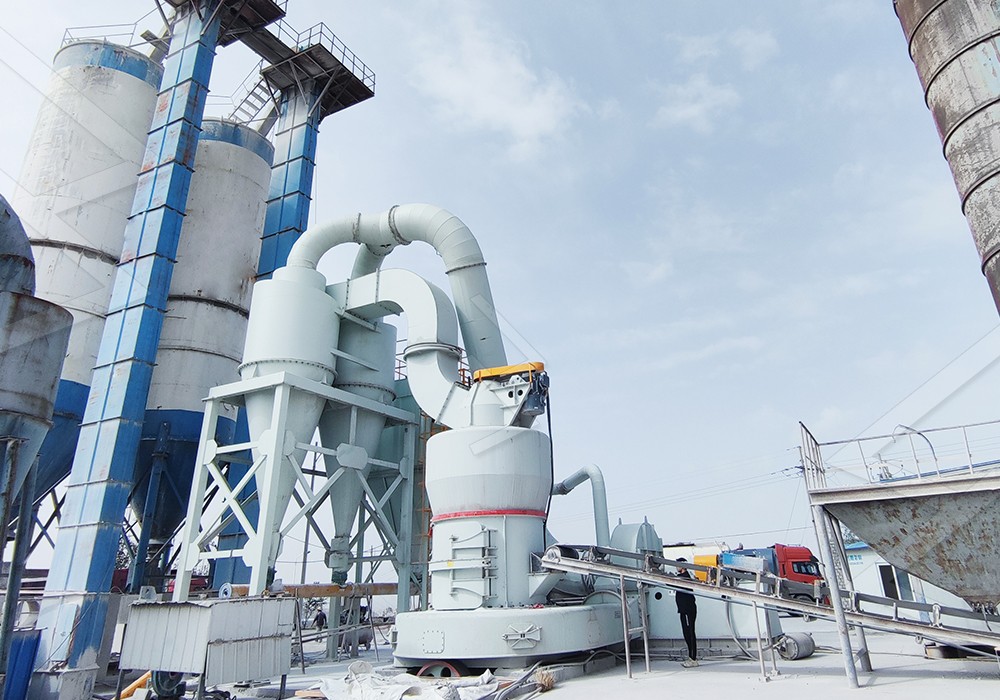
How Is Grinding Mill Used in White Cement Manufacturing?
We provide a wide range of mills — including Raymond mill, trapezoidal mill, vertical mill, ultrafine mill, and ball mill, obtained ISO9001 international quality certification, EU CE certification, and Customs Union CU-TR certification. Suitable for processing minerals such as limestone, phosphate, quicklime, kaolin, talc, barite, bentonite, calcium carbonate, dolomite, coal, gypsum, clay, carbon black, slag, cement raw materials, cement clinker, and more.
The discharge range of these mills can be adjusted to meet specific processing needs, typically from 80-400 mesh, 600-3250 mesh, and can achieve the finest particle size of up to 6000 mesh(D50).
If you are looking for a reliable grinding solution to turn stone or minerals into fine powder, please feel free to contact our online customer service.
How Is Grinding Mill Used in White Cement Manufacturing?
White cement manufacturing is a highly specialized process that demands exceptional purity, fine particle size, and consistent quality. The grinding stage is arguably the most critical step in achieving the desired properties of the final product. Unlike ordinary grey cement, white cement requires raw materials with very low iron and manganese oxide content to maintain its characteristic whiteness. The grinding equipment used must not only achieve ultra-fine fineness but also prevent any metallic contamination during the process.
The primary raw materials for white cement—typically high-purity limestone and kaolin or china clay—are first crushed and then precisely proportioned before entering the grinding mill. Here, they are ground into a fine, homogeneous raw meal. This raw meal is then fed into a kiln for clinkerization. The resulting white clinker, along with a small amount of gypsum, is then fed into a cement mill for the final grinding step to produce the finished white cement powder.
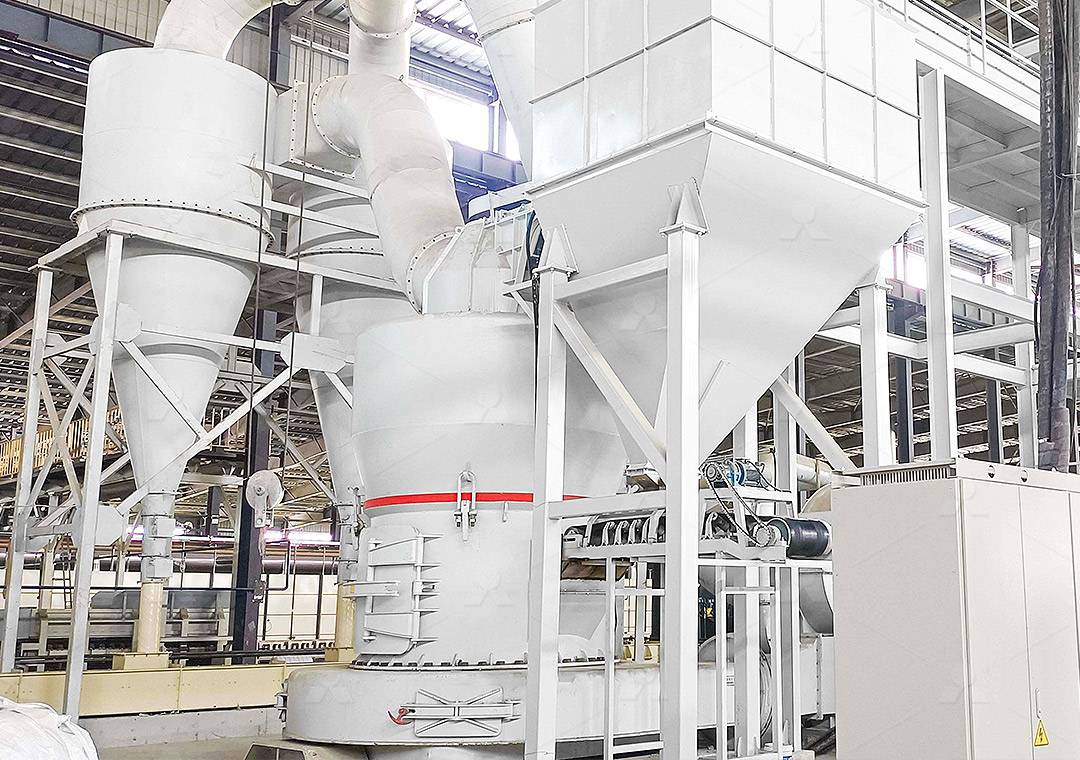
This is where the choice of grinding mill becomes paramount. Traditional ball mills, while effective, can introduce iron contamination from grinding media wear, which adversely affects the whiteness. This is why advanced, specialized grinding technologies are preferred. For instance, our MW Ultrafine Grinding Mill is an excellent choice for this application. Designed for customers who need to make ultra-fine powder, its key advantage in white cement production is the absence of rolling bearings and screws in the grinding chamber. This design eliminates a major source of metallic wear and contamination, ensuring the final product’s pristine whiteness is not compromised. Furthermore, its adjustable fineness between 325-2500 meshes allows for precise control over the cement’s particle size distribution, which directly impacts its strength development and setting time.
The grinding principle is also crucial. Our MW mill operates on a grinding roller and ring system. The motor drives the main shaft and turnplate, which in turn drives dozens of rollers to rotate against the raceway of the ring. Material is fed to the center and is ground as it moves under centrifugal force. The ground powder is then carried by an air current into a high-efficiency powder separator, where coarse particles are rejected for further grinding and the fine product is collected. This closed-circuit system, equipped with an efficient pulse dust collector, ensures no dust pollution and operates within strict environmental standards—a must for modern manufacturing facilities.
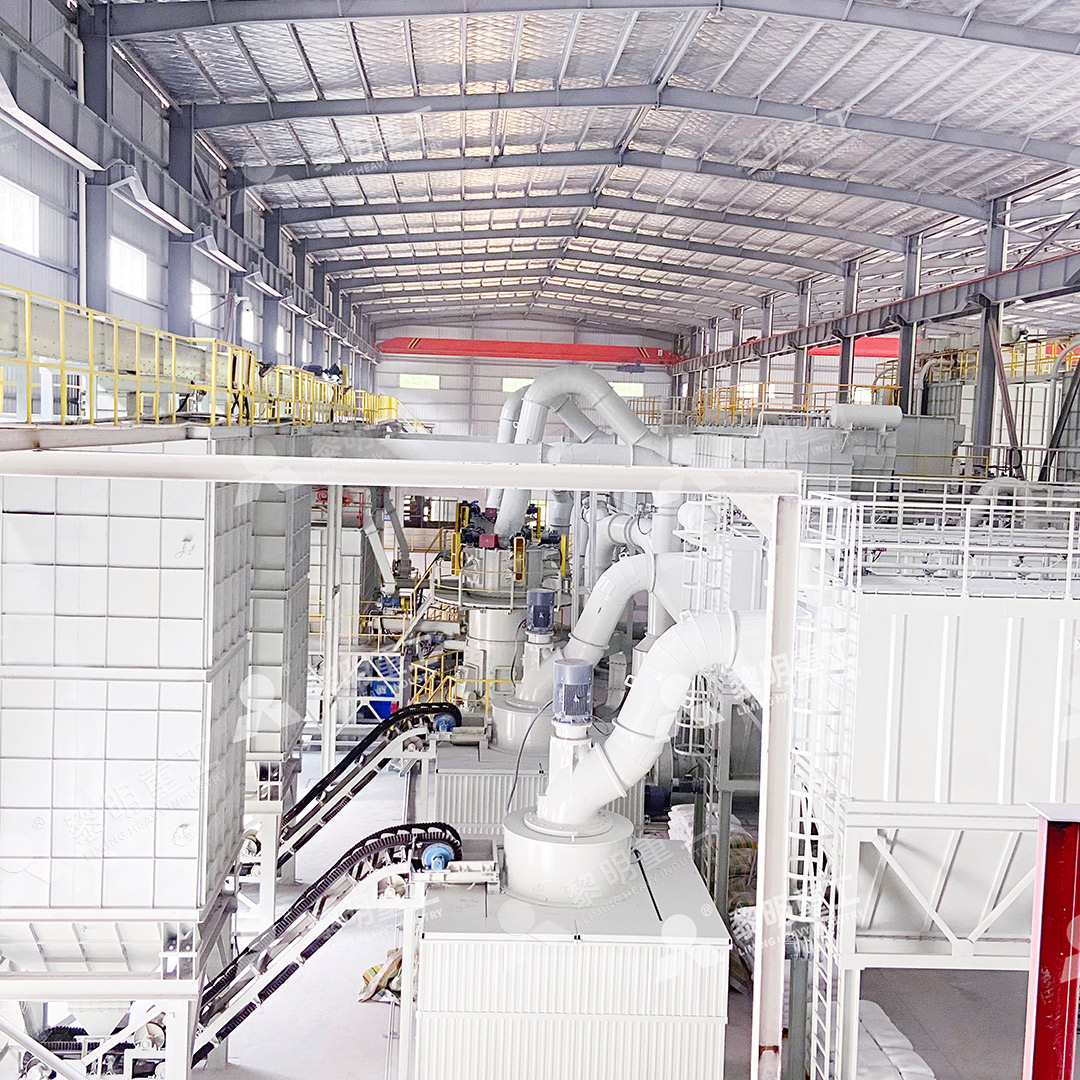
Another superb option for the final grinding stage is the LUM Ultrafine Vertical Grinding Mill. Its vertical design and unique grinding curve for the roller shell and lining plate are easier to generate a stable material layer, enabling a high rate of finished product in a single pass. This efficiency translates to higher yielding rates and better quality product. The LUM mill’s multi-head powder separating technology, controlled by a PLC system, allows for incredibly precise control over fineness, ensuring every batch of white cement meets exact specifications. Its reversible structure is another significant benefit for maintenance; the grinding roller can be easily moved out of the body for checking and replacing parts, minimizing costly downtime.
In conclusion, the role of the grinding mill in white cement manufacturing extends far beyond simple size reduction. It is a precision instrument responsible for defining the product’s key characteristics: whiteness, strength, and consistency. Investing in advanced grinding technology like the MW or LUM mills is not just an operational decision but a strategic one, ensuring product superiority, lower energy consumption, and environmentally sound production.