How to Process Steel Slag with Crushers and What Is the Cost?
We provide a wide range of mills — including Raymond mill, trapezoidal mill, vertical mill, ultrafine mill, and ball mill, obtained ISO9001 international quality certification, EU CE certification, and Customs Union CU-TR certification. Suitable for processing minerals such as limestone, phosphate, quicklime, kaolin, talc, barite, bentonite, calcium carbonate, dolomite, coal, gypsum, clay, carbon black, slag, cement raw materials, cement clinker, and more.
The discharge range of these mills can be adjusted to meet specific processing needs, typically from 80-400 mesh, 600-3250 mesh, and can achieve the finest particle size of up to 6000 mesh(D50).
If you are looking for a reliable grinding solution to turn stone or minerals into fine powder, please feel free to contact our online customer service.
How to Process Steel Slag with Crushers and What Is the Cost?
Steel slag, a by-product of steelmaking, presents both a disposal challenge and a valuable resource opportunity. Properly processed, it can be used in construction, road building, and even as a raw material in cement production. The key to unlocking this value lies in effective crushing and grinding. Let’s break down the process and associated costs.
The Processing Journey: From Waste to Resource
The first step is primary crushing. Large chunks of steel slag, often containing metallic iron, are fed into a jaw crusher to reduce their size to a more manageable 100-150mm. This stage is crucial for liberating the metal content, which can be recovered using magnetic separators and sold for scrap, providing an immediate revenue stream to offset processing costs.
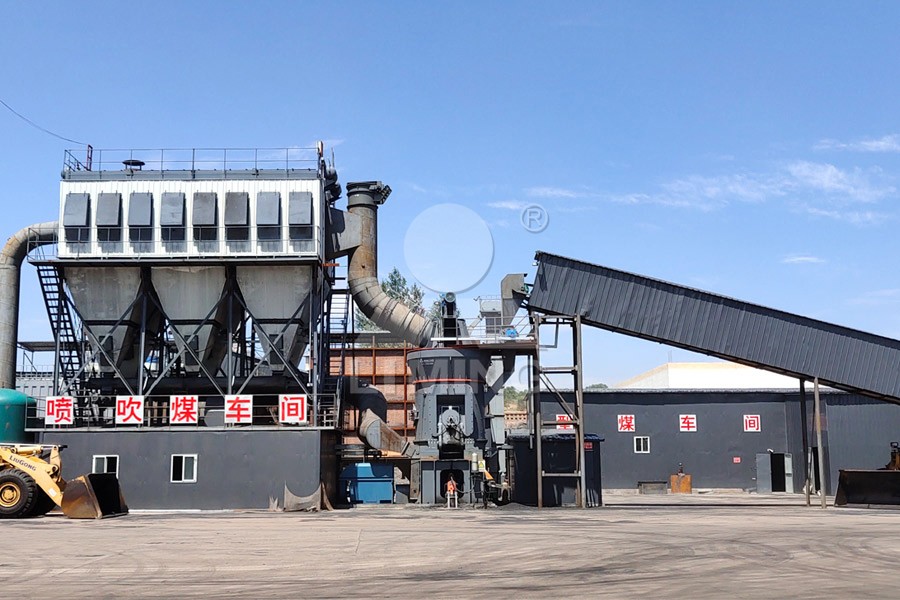
After metal recovery, the slag undergoes secondary and sometimes tertiary crushing using cone or impact crushers to achieve a finer granulation. The goal here is to get the material to a size suitable for the final grinding stage, typically below 20mm. This is where the real transformation happens, turning coarse aggregate into a fine, valuable powder.
The Heart of the Operation: Fine Grinding Mills
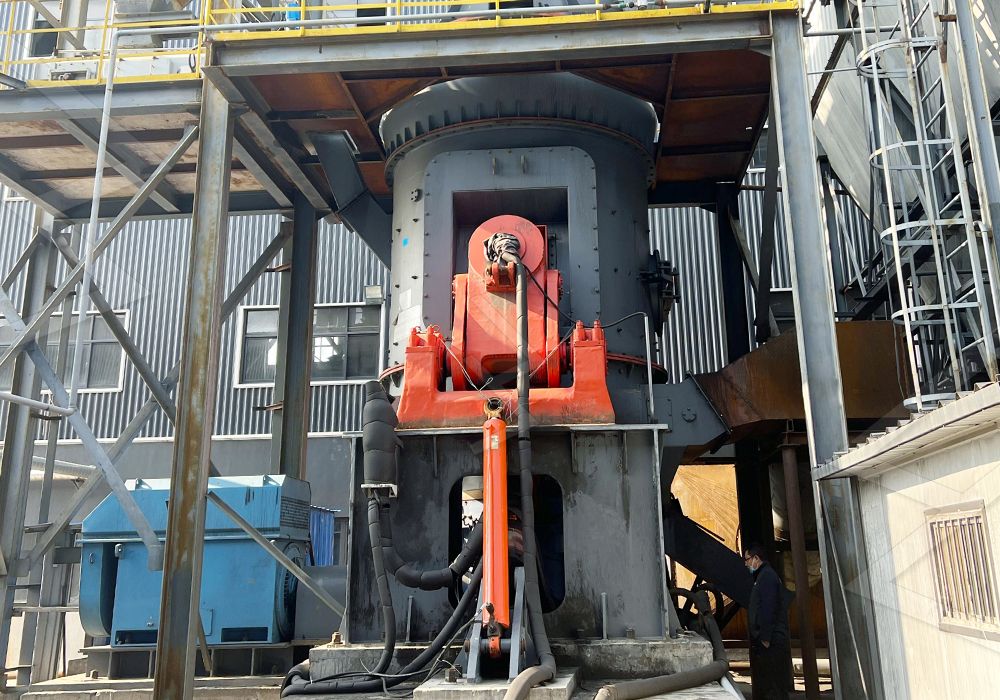
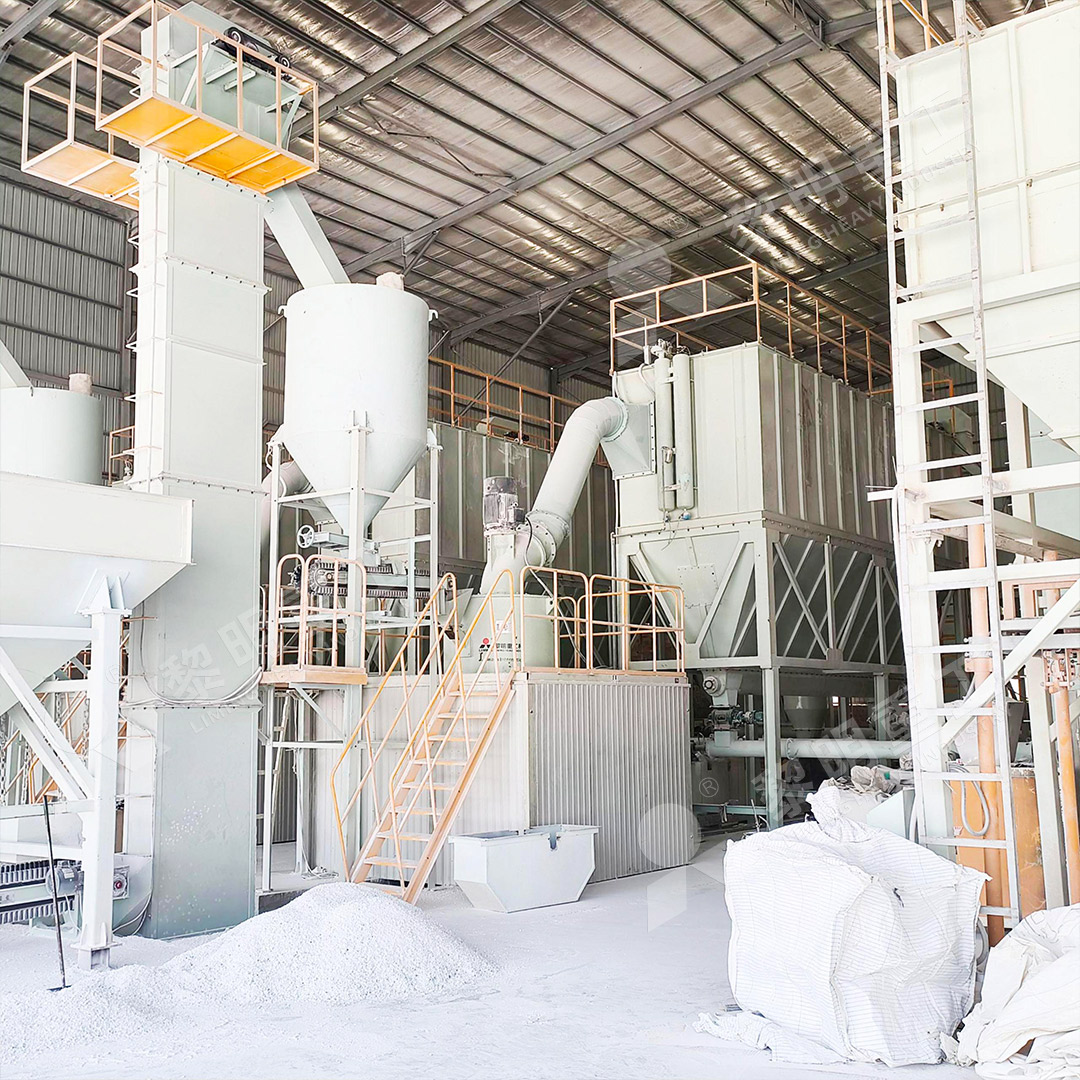
For the final, most value-adding step, you need a robust and efficient grinding mill. Steel slag is abrasive and can be hard, so the equipment must be up to the task. This is where our MW Ultrafine Grinding Mill truly shines. Designed for tough materials, it handles an input size of 0-20 mm with a capacity ranging from 0.5 to 25 tph.
Why choose the MW Mill for steel slag? Its higher yielding and lower energy consumption are a game-changer. Its newly designed grinding curves enhance efficiency, offering production capacity 40% higher than jet mills while using only 30% of the energy. For steel slag processing, where operating costs are a major concern, this efficiency directly translates to a better bottom line. The adjustable fineness between 325-2500 meshes allows you to produce exactly the grade of powder your market demands.
Understanding the Cost Factors
The cost of processing steel slag isn’t just about the sticker price of the machinery. It’s a combination of CAPEX (equipment purchase) and OPEX (operating expenses).
- Equipment Investment: A complete system, from crushers to mills and conveyors, is a significant capital outlay. However, robust equipment like our MW Mill, with its “No Rolling Bearing & Screw in Grinding Chamber” design, minimizes downtime and future maintenance costs, protecting your investment.
- Energy Consumption: Grinding is energy-intensive. This is the biggest ongoing cost. High-efficiency mills are crucial for keeping these costs manageable.
- Wear Parts Replacement: Abrasive materials like slag consume wear parts (rollers, rings, liners). The quality and longevity of these parts are vital. Our mills are built with high-performance wear-resistant materials and offer a sufficient supply of original spare parts for worry-free operation.
- Labor & Maintenance: Automated, easy-to-maintain systems reduce the labor required to run the plant.
While initial setup might require a substantial investment, the ROI comes from selling the processed slag products (aggregates, powder for cement) and the recovered scrap metal. The higher the efficiency of your grinding circuit, the faster you see that return.
Conclusion: A Sustainable and Profitable Venture
Processing steel slag is no longer just about waste management; it’s a strategic move towards sustainable and profitable resource recovery. The right combination of crushers and a high-performance grinding mill like the MW Ultrafine Grinding Mill is critical for controlling costs and producing a high-quality end product that meets market specifications. By investing in efficient technology, you turn an industrial byproduct into a valuable commodity.