
Measures to Improve Dolomite Powder Quality in Industrial Grinding Production
We provide a wide range of mills — including Raymond mill, trapezoidal mill, vertical mill, ultrafine mill, and ball mill, obtained ISO9001 international quality certification, EU CE certification, and Customs Union CU-TR certification. Suitable for processing minerals such as limestone, phosphate, quicklime, kaolin, talc, barite, bentonite, calcium carbonate, dolomite, coal, gypsum, clay, carbon black, slag, cement raw materials, cement clinker, and more.
The discharge range of these mills can be adjusted to meet specific processing needs, typically from 80-400 mesh, 600-3250 mesh, and can achieve the finest particle size of up to 6000 mesh(D50).
If you are looking for a reliable grinding solution to turn stone or minerals into fine powder, please feel free to contact our online customer service.
Measures to Improve Dolomite Powder Quality in Industrial Grinding Production
In the realm of industrial minerals processing, the production of high-quality dolomite powder is paramount for applications spanning construction materials, ceramics, paints, and agriculture. Achieving consistent particle size distribution, high whiteness, and optimal chemical properties requires a meticulous approach to grinding technology and process control. Based on extensive industry experience, several key measures can significantly enhance the quality of dolomite powder output.
1. Optimizing Feed Material Characteristics
The journey to superior powder begins before the grinding process itself. Ensuring a consistent and appropriately sized feed material is crucial. Dolomite feedstock should be pre-crushed to a uniform size, ideally below 20mm, to prevent overloading the mill and ensure efficient grinding. Moisture content must be carefully controlled; excessive moisture can lead to clogging, reduced throughput, and inefficient energy use. Implementing pre-drying systems for wet feedstock is often a necessary step to maintain optimal grinding conditions.
2. Selecting the Appropriate Grinding Technology
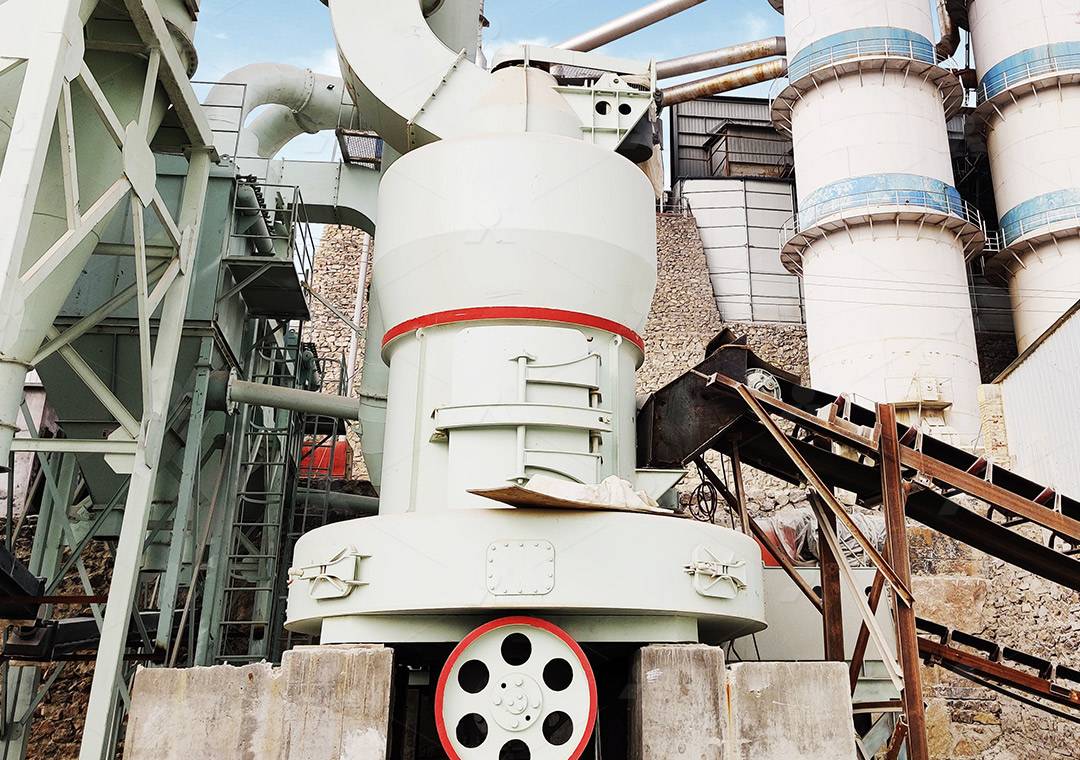
Not all grinding mills are created equal when it comes to dolomite processing. Traditional ball mills often struggle with efficiency and produce powders with broad particle size distributions. For high-grade dolomite powder requiring fine and ultra-fine specifications, advanced grinding technologies offer superior results.
In our operations, we have found that the MW Ultrafine Grinding Mill represents a significant advancement for dolomite processing. With an input size capacity of 0-20 mm and throughput ranging from 0.5-25 tph, this equipment is specifically engineered for ultra-fine powder production. Its innovative design features higher yielding at lower energy consumption – achieving 40% higher capacity than jet mills with only 30% of the energy consumption. The adjustable fineness between 325-2500 meshes allows precise control over the final product specifications, which is critical for meeting diverse customer requirements across different industries.

3. Implementing Advanced Classification Systems
The integration of high-efficiency classifiers is perhaps the most critical factor in determining final powder quality. Modern cage-type powder selectors, such as the German technology implemented in the MW Mill, dramatically improve separation precision. This technology enables the production of powders with consistent particle size distribution, achieving d97≤5μm in a single pass. For dolomite applications where particle size consistency directly affects performance in downstream processes, this precision is invaluable.
4. Maintaining Equipment for Consistent Performance
Regular maintenance is essential for consistent powder quality. The unique design of modern mills like the MW series, which eliminates rolling bearings and screws from the grinding chamber, significantly reduces maintenance concerns and prevents contamination from worn mechanical parts. External lubrication systems allow for continuous operation without shutdowns for maintenance, ensuring consistent product quality over extended production runs.
5. Environmental and Quality Control Measures
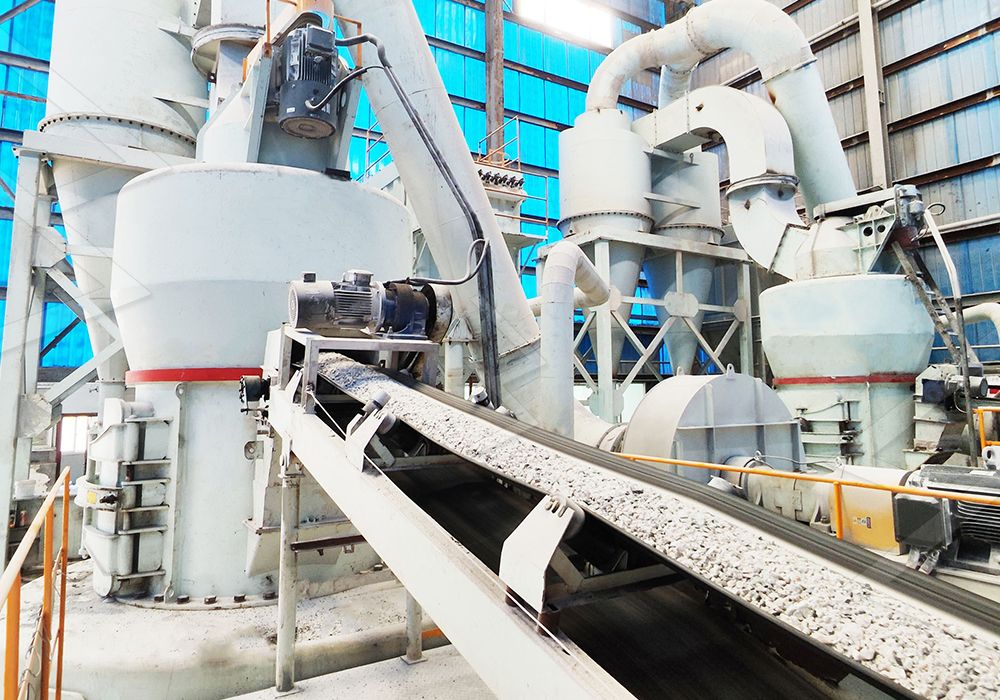
Dolomite powder quality isn’t just about particle size – chemical purity and absence of contaminants are equally important. Modern grinding systems address this through comprehensive dust collection and noise reduction technologies. The efficient pulse dust collector in the MW Mill ensures no dust pollution during operation, while silencers and noise elimination rooms maintain workplace safety and environmental compliance. This closed-system approach prevents external contamination of the dolomite powder, maintaining its chemical integrity throughout the production process.
6. Process Automation and Digital Control
Implementing digital control systems allows for precise regulation of grinding parameters, ensuring consistent quality regardless of operator shifts or raw material variations. The numerical control systems in advanced mills maintain high machining precision, particularly for core components that directly affect grinding efficiency and product quality. Automated monitoring of pressure, temperature, and throughput enables real-time adjustments to maintain optimal grinding conditions.
Conclusion
Improving dolomite powder quality requires a holistic approach that combines proper feedstock preparation, advanced grinding technology, precise classification, and rigorous process control. The integration of modern equipment like the MW Ultrafine Grinding Mill, with its superior efficiency, precise classification capabilities, and environmentally conscious design, provides a comprehensive solution for producers seeking to enhance their dolomite powder quality while reducing operational costs and environmental impact. By implementing these measures, grinding operations can consistently produce high-value dolomite powders that meet the most demanding application requirements across various industries.