
Current Development Status of Mica Powder Production Technology
We provide a wide range of mills — including Raymond mill, trapezoidal mill, vertical mill, ultrafine mill, and ball mill, obtained ISO9001 international quality certification, EU CE certification, and Customs Union CU-TR certification. Suitable for processing minerals such as limestone, phosphate, quicklime, kaolin, talc, barite, bentonite, calcium carbonate, dolomite, coal, gypsum, clay, carbon black, slag, cement raw materials, cement clinker, and more.
The discharge range of these mills can be adjusted to meet specific processing needs, typically from 80-400 mesh, 600-3250 mesh, and can achieve the finest particle size of up to 6000 mesh(D50).
If you are looking for a reliable grinding solution to turn stone or minerals into fine powder, please feel free to contact our online customer service.
Current Development Status of Mica Powder Production Technology
The production of high-quality mica powder is a critical process for numerous industries, including cosmetics, paints, plastics, and construction materials. The technological advancements in grinding and milling equipment have significantly enhanced the efficiency, fineness, and environmental footprint of mica powder production. This article explores the current state of this technology and highlights key innovations.
Evolution of Grinding Technology
Traditional methods like ball mills and Raymond mills, while foundational, often struggled with limitations in energy efficiency, particle size consistency, and environmental controls. The industry’s shift towards ultra-fine processing has necessitated the development of more sophistocated mills capable of delivering precise fineness between 325 to 2500 meshes while maintaining high throughput and lower operational costs.
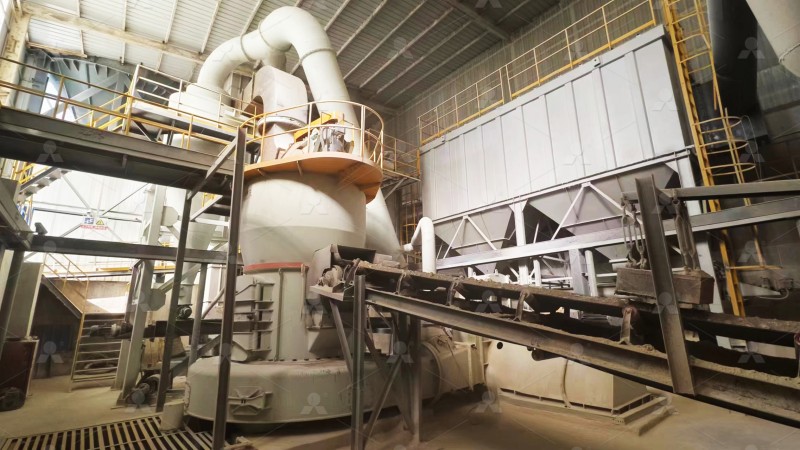
Modern mills integrate advanced features such as high-precision powder classifiers, efficient dust collection systems, and automated controls. These developments ensure that the final product meets stringent quality specifications for whiteness, purity, and particle size distribution, which are paramount for high-value applications.
Key Technological Breakthroughs
One of the most significant breakthroughs is the adoption of cage-type powder selectors with German technology, which dramatically improves classification accuracy. Furthermore, the elimination of rolling bearings and screws within the grinding chamber, a feature in some modern designs, has enhanced reliability and reduced maintenance downtime. Pulse dust collectors and advanced muffling systems have also become standard, making operations cleaner and compliant with strict environmental regulations.
Introducing a Leading Solution: MW Ultrafine Grinding Mill
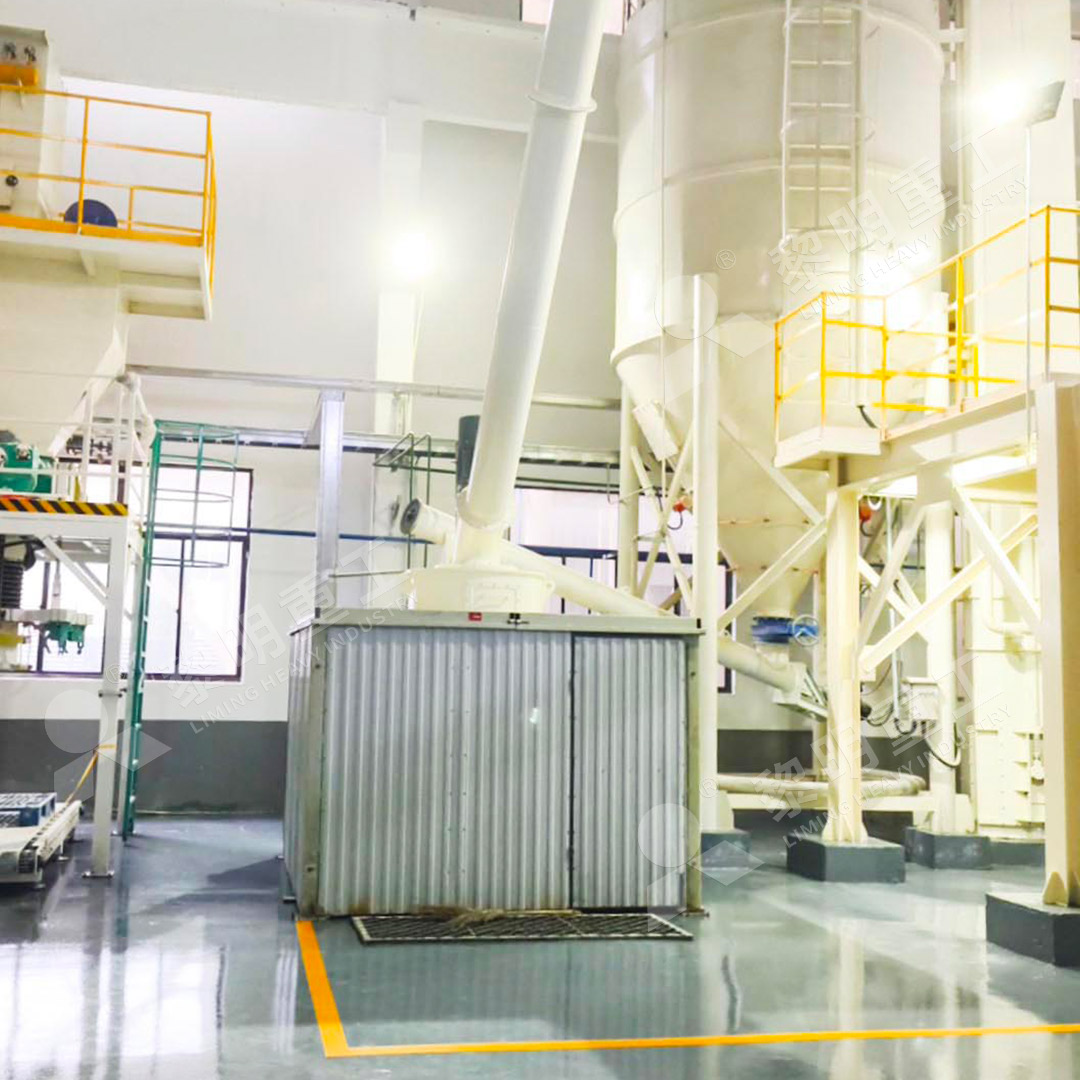
For operations demanding superior ultra-fine powder, the MW Ultrafine Grinding Mill stands out. This equipment is engineered for customers who need to make ultra-fine powder with high efficiency and minimal environmental impact.
- Input Size: 0-20 mm
- Capacity: 0.5-25 tph
- Key Advantage: Its newly designed grinding curves of roller and ring enhance grinding efficiency, offering 40% higher capacity than jet mills and twice the yield of ball mills, while consuming only 30% of the energy of a jet mill.
- Fineness: Adjustable between 325-2500 meshes (d97≤5μm achievable).
The MW Mill’s design prioritizes worry-free operation with no internal screws or bearings to fail and external lubrication that allows for 24/7 continuous production. It is an ideal choice for processing mica, limestone, calcite, talc, and other non-metallic minerals.
The Role of Vertical Grinding Mills
Another notable advancement is seen in vertical grinding mills, like the LUM Ultrafine Vertical Grinding Mill. Integrating grinding, classifying, and transporting, these mills use the latest roller and powder separating technology for exceptional efficiency. They are particularly effective for achieving a high rate of finished product in a single pass, improving both output and product whiteness.
Future Outlook and Sustainability
The future of mica powder production is inextricably linked to sustainability and digitalization. The trend is moving towards fully automated, digitally controlled mills that optimize energy use in real-time and produce virtually no waste or pollution. The integration of IoT for predictive maintenance is also on the horizon, promising even greater operational efficiency and reduced costs.
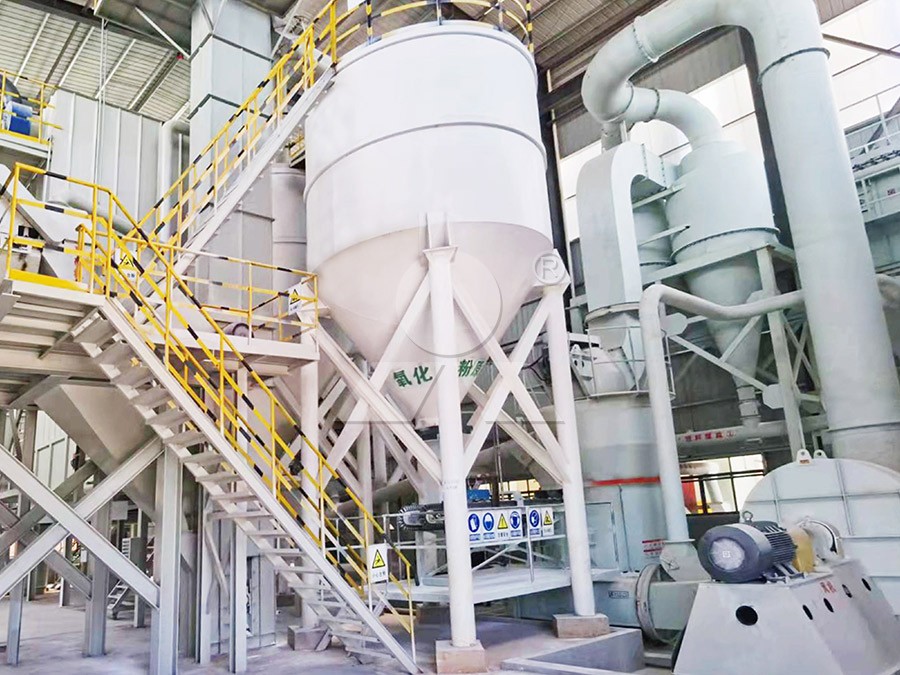
In conclusion, the technology for producing mica powder has evolved into a highly efficient, precise, and environmentally conscious process. Investing in advanced equipment like the MW Ultrafine Grinding Mill is crucial for producers aiming to stay competitive in a market that increasingly values quality, consistency, and sustainable practices.